Beaked Whale's 'Impossible' Four-Hour Dive Still Baffles Scientists, Inspires Medical Research
Context mode is active. Hover over any highlighted term to see its definition. Click a nested term to go deeper.
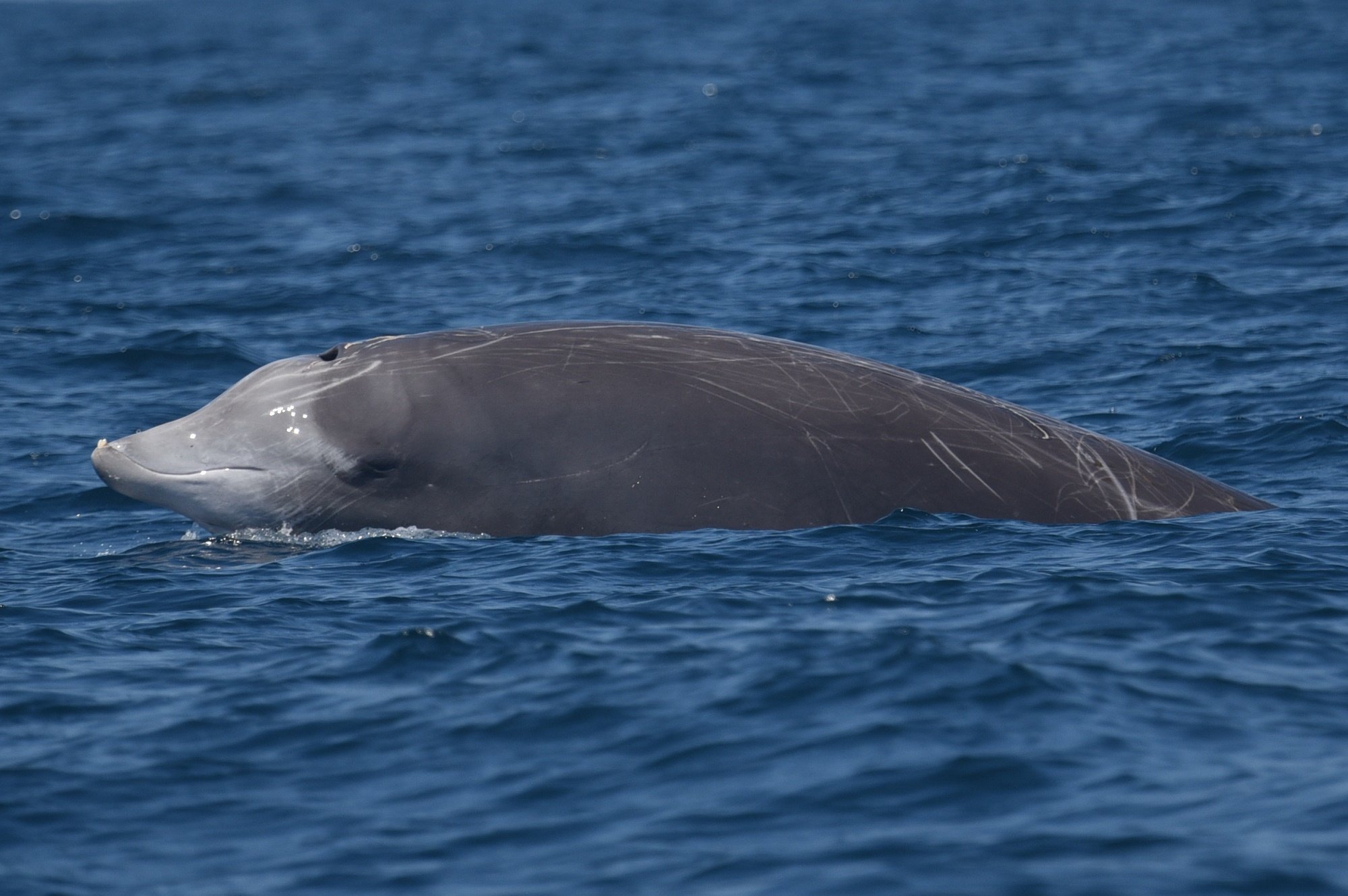
Scientists remain baffled by the extraordinary 2017 dive of a Cuvier's beaked whale, a feat of endurance published in 2020 that saw the animal remain submerged for an astounding three hours and 42 minutes. This record-shattering performance blows past previous estimates of mammalian aerobic dive limits, which suggested the whale should have suffocated within half an hour, prompting urgent new research into how these elusive deep-sea creatures defy biological norms. The mystery has sparked intense scientific interest, with ongoing studies from institutions like Duke University and the Fundación Oceanogràfic continuing to analyze dive data in 2026, exploring the whale's unique physiological adaptations, such as exceptionally low metabolic rates, immense oxygen storage capabilities through myoglobin and hemoglobin, and remarkable acid-buffering capacities to manage lactic acid buildup. Researchers are also leveraging advanced passive acoustic tracking to better understand beaked whale behavior in their natural habitats, especially as these animals, which also hold depth records, face growing threats from ocean noise. Looking ahead, this biological anomaly is not just a marvel of nature but a potential wellspring for medical breakthroughs. Duke cancer biologist Jason Somarelli, funded by the US Office of Naval Research, is actively using whale cell cultures to investigate their cellular resilience to low-oxygen environments, hoping to uncover new treatments for human conditions like stroke and cancer. The ongoing efforts aim to both unlock the secrets of these incredible divers and inform critical conservation strategies for a species that continues to challenge our understanding of life's extremes.