Beijing Escalates Crackdown on Underground Christians Amid 'Sinicization' Push
Context mode is active. Hover over any highlighted term to see its definition. Click a nested term to go deeper.
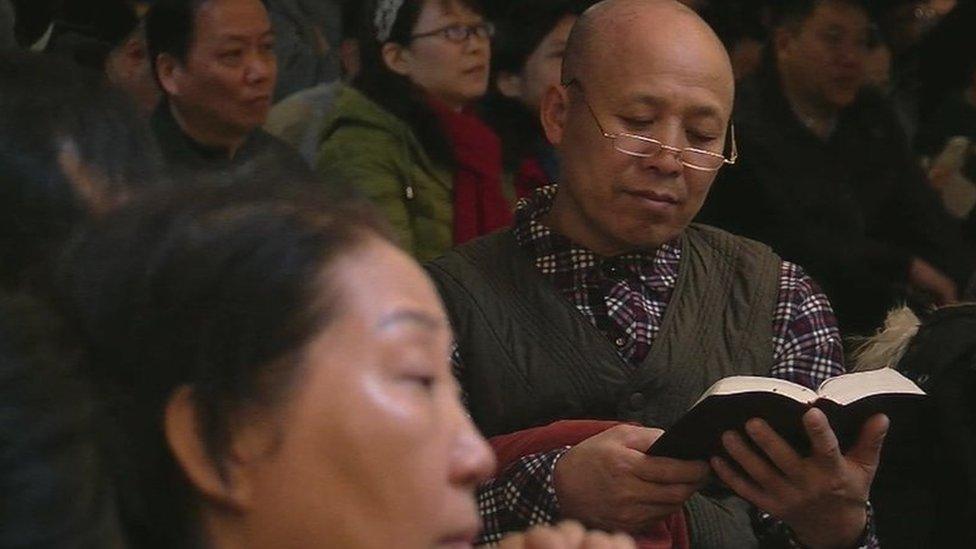
China is intensifying its harsh crackdown on unregistered Christian groups across the country, as President Xi Jinping government tightens its grip on all religious life. Recent reports and events in July 2026 highlight ongoing raids on independent congregations like the Early Rain Covenant Church in Sichuan, even as high-profile figures such as Pastor Ezra Jin Mingri of Beijing's Zion Church were recently released, a move potentially influenced by international pressure. This escalating campaign aims to force believers into state-approved churches, aligning faith with Communist Party ideology. The widespread crackdown is a direct result of Beijing's 'Sinicization of religion' policy, a decade-long effort to make all faiths conform to Chinese culture and, more importantly, to the Chinese Communist Party socialist values. This means strict control over everything from church teachings and clergy appointments to online religious content, with new regulations banning clergy from unapproved online activities. For underground Protestant 'house churches' and Catholic communities loyal to the Vatican, refusal to join state-sanctioned bodies like the Three-Self Patriotic Movement or the Chinese Catholic Patriotic Association often leads to harassment, arrests, and church closures. Looking ahead, international bodies like the U.S. Commission on International Religious Freedom (USCIRF) continue to call for China to be designated a 'Country of Particular Concern' for its severe religious freedom violations, indicating sustained global scrutiny. With sophisticated surveillance technology increasingly employed to monitor religious gatherings and communication, the pressure on China's estimated millions of independent Christians is unlikely to ease. This ongoing struggle highlights Beijing's deep-seated anxiety about any independent community that could challenge state authority.