Beijing Forum at 20: China Pushes Dialogue Amidst Rising Global Security Tensions
Context mode is active. Hover over any highlighted term to see its definition. Click a nested term to go deeper.
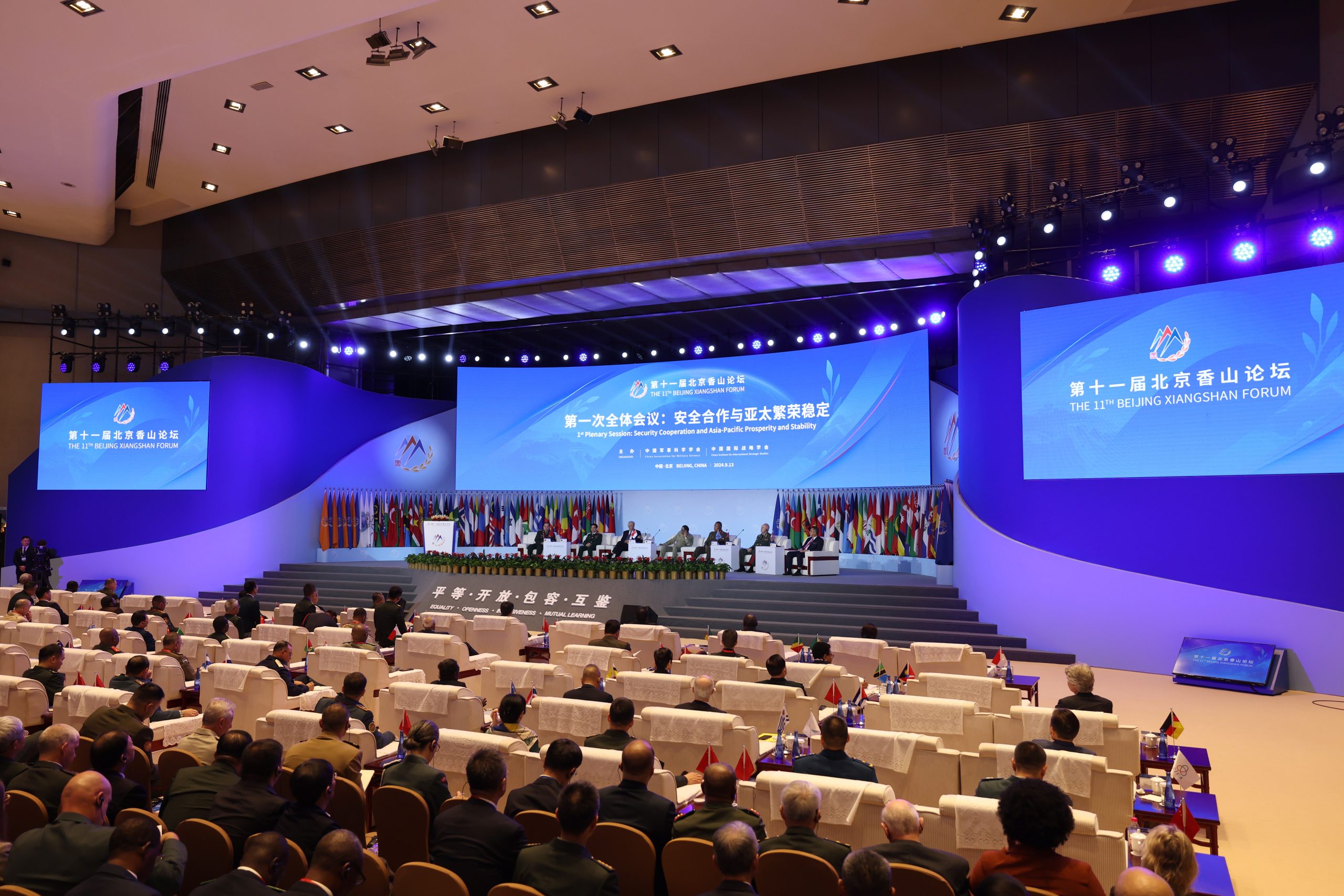
The 13th Beijing Xiangshan Forum wrapped up on September 17, marking two decades of China's major military diplomacy effort by emphasizing dialogue and cooperation amidst a fragmented global security landscape. Chinese Defense Minister Dong Jun used the platform to call for strengthening global security governance, notably avoiding direct criticism of the United States or Japan in a subtle diplomatic shift, just days before Chinese President Xi Jinping is expected to meet US President Donald Trump in Washington. The forum, attended by representatives from over 100 countries, served as a crucial stage for Beijing to advocate its Global Security Initiative and its vision for a multipolar world. This year's forum took place against a backdrop of escalating geopolitical fragmentation, a rapid military AI arms race, and persistent regional flashpoints like Taiwan and the South China Sea. As nations increasingly securitize trade and weaponize economic interdependence, the discussions highlighted the growing concerns over traditional arms control mechanisms and the military applications of emerging technologies. China positioned the forum as its alternative to the Western-leaning Shangri-La Dialogue, stressing the importance of resolving tensions through negotiation rather than confrontation, while simultaneously being accused by some analysts of fueling Indo-Pacific conflict through its own military expansion. Looking ahead, the quiet diplomatic overtures at the forum, especially between US and Chinese delegations who reportedly engaged in closed-door discussions on military AI guidelines and emergency communication, signal a cautious effort to manage strategic risks. The upcoming Xi-Trump summit on September 24 will likely build on these discussions, determining the immediate trajectory of US-China relations and setting the tone for future global security cooperation. The forum's emphasis on the 'Global South' also points to China's continued push to reshape international security architecture, demanding watchers to consider how these dialogues will influence future multilateral approaches to global challenges.