Beluga Whales' Extreme Dives Undermined by Arctic Climate Crisis
Context mode is active. Hover over any highlighted term to see its definition. Click a nested term to go deeper.
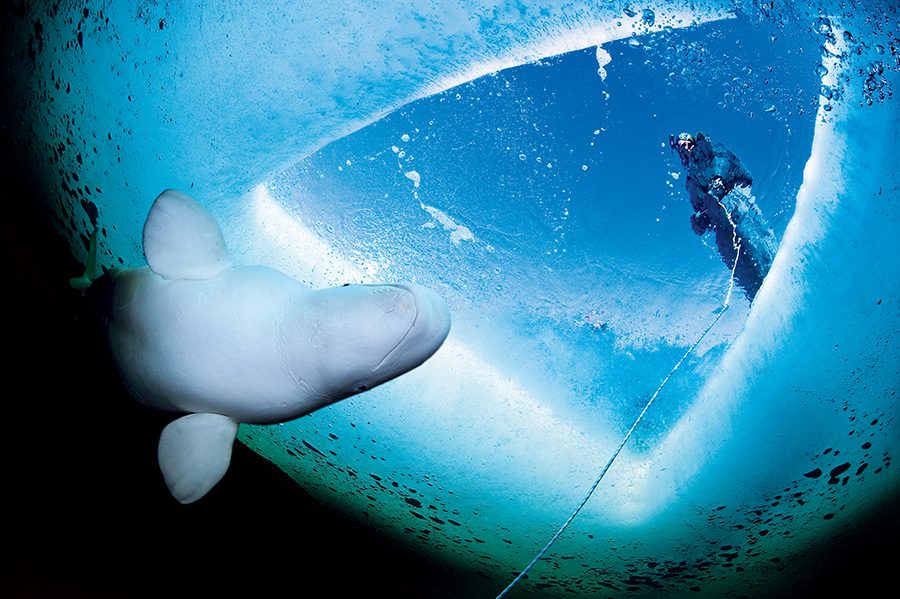
Every winter, the beluga whale performs an astonishing feat: diving to depths of 700 meters and holding its breath for up to 25 minutes in the Arctic freezing waters, all thanks to lungs that compress dramatically and muscles so oxygen-rich they appear nearly black. However, this incredible natural engineering, perfected over millennia for an icy world, is now battling for survival as climate change rapidly melts the Arctic, threatening the very habitat these master divers call home. These whales possess remarkable physiological adaptations, including a slowed heart rate (bradycardia) and blood shunting to vital organs, coupled with high myoglobin content in their muscles to store oxygen, allowing them to hunt deep-dwelling prey like Arctic cod and Greenland halibut beneath the ice. Yet, the rapid decline of Arctic sea ice is disrupting crucial migration patterns, forcing belugas to dive deeper and longer to find food, increasing their stress and impacting reproduction. Moreover, increased ship traffic, a direct consequence of reduced ice cover, introduces disruptive noise pollution and raises the risk of dangerous vessel strikes, further endangering these vulnerable populations. Researchers are closely monitoring how different beluga populations are responding, noting varying shifts in migration timing, and highlighting the critically endangered status of groups like the Cook Inlet belugas. With recent studies in June and July 2026 shedding light on the impacts of shipping and prey availability, the future for these Arctic icons hangs in the balance. Continued monitoring, stringent conservation efforts, and global action on climate change are paramount to prevent the physiological marvel of the beluga whale from becoming a relic of a vanished world.