Bengal's Trinamool Power Struggle Hits ECI Deadline: Who Claims the Symbol?
Context mode is active. Hover over any highlighted term to see its definition. Click a nested term to go deeper.
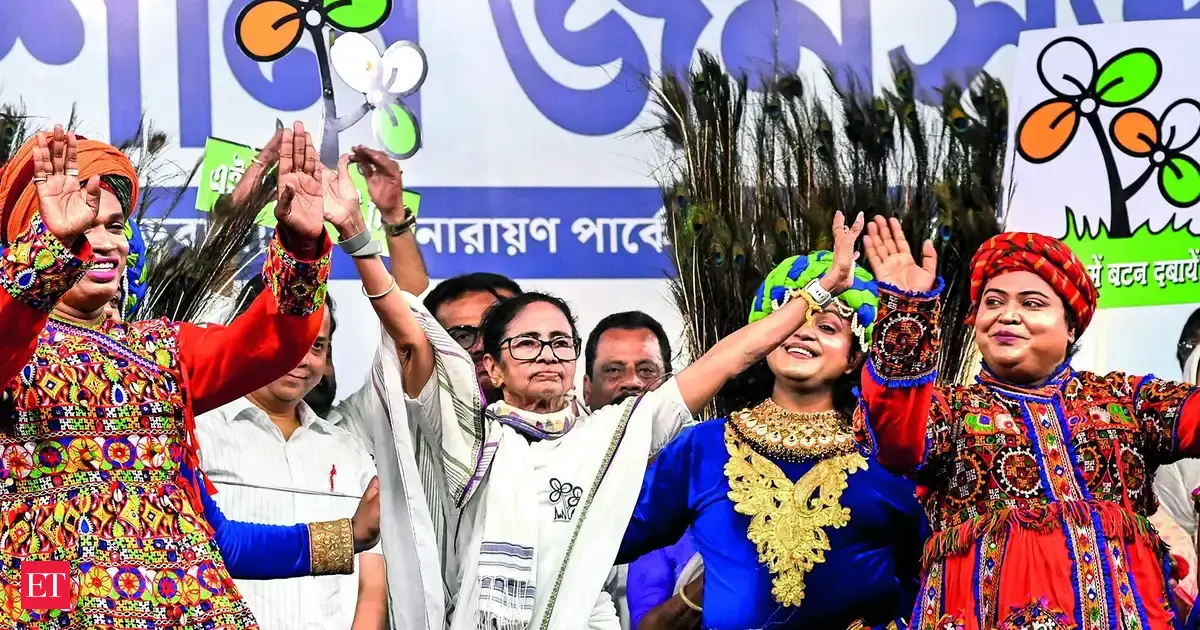
Today marks a pivotal moment for West Bengal politics as the warring factions of the Trinamool Congress (TMC) submit their final documents to the Election Commission of India (ECI), vying for control of the party's cherished name and iconic 'grass-flower' election symbol. This high-stakes legal and political battle could redefine the future of one of India's most influential state parties, potentially altering West Bengal's political landscape for years to come. The internal rift, which escalated sharply following the TMC significant defeat in the 2026 West Bengal Assembly elections, pits the faction led by party supremo Mamata Banerjee and her nephew Abhishek Banerjee against a 'rebel but majority' group marshalled by expelled legislator Ritabrata Banerjee. The rebel camp claims the support of a significant legislative majority, reportedly around 65 of the party's 80 MLAs, and has controversially taken control of the party headquarters, Trinamool Bhavan. They argue for a movement against 'individual cult' and 'dynastic politics,' while the Mamata-led faction asserts its legitimacy based on the party's foundational leadership and organizational continuity, citing Mamata Banerjee re-election as National Chairperson for life in 2022 and valid organizational committees until 2027. The ECI, acting as the ultimate arbiter under the Election Symbols (Reservation and Allotment) Order, 1968, will now scrutinize the extensive documentary evidence, including claims of legislative and organizational support from both sides. This adjudication process, reminiscent of recent disputes involving the Shiv Sena and Nationalist Congress Party, could result in the symbol being awarded to one faction, or in a rare scenario, frozen entirely if a clear majority isn't established. The Commission's imminent decision will not only determine the legitimate custodians of the TMC legacy but also set a crucial precedent for internal party democracy in India.