Benjamin Netanyahu Comeback After Israel Elections? Crypto Bettors Weigh Odds As Trump's Iran Deal Reportedly A Setback For PM
Context mode is active. Hover over any highlighted term to see its definition. Click a nested term to go deeper.
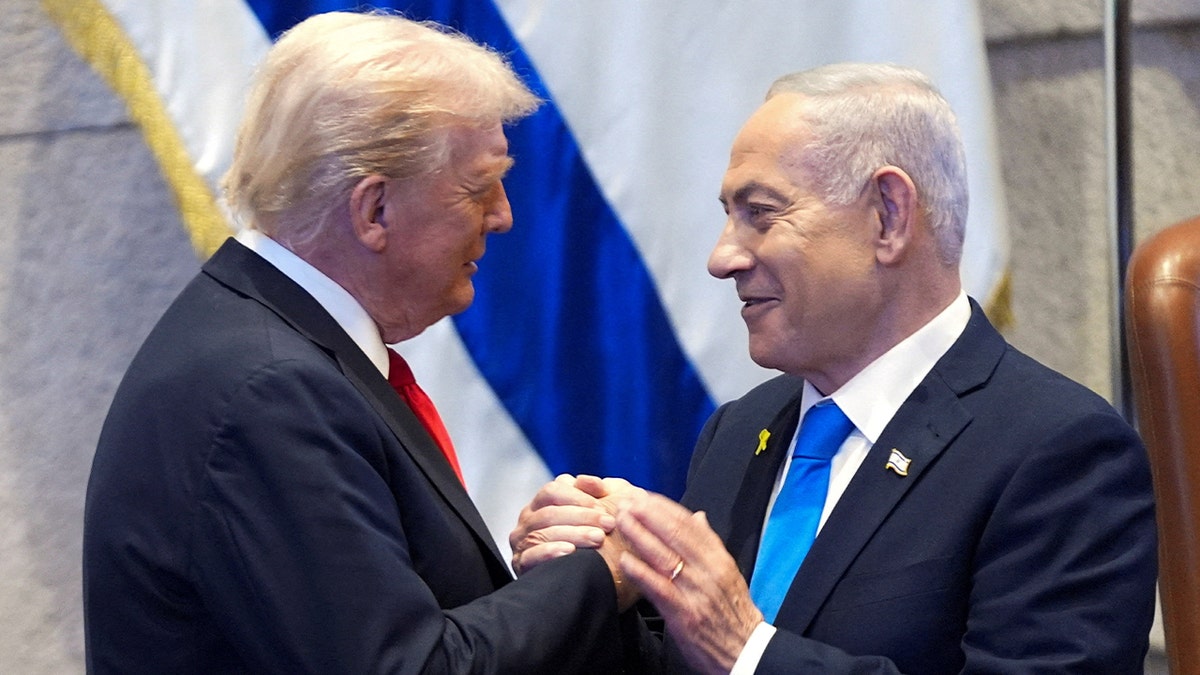
Benjamin Netanyahu political future hangs precariously as a U.S.-Iran framework peace deal, reportedly spearheaded by President Donald Trump, dramatically reshapes Middle East geopolitics and casts a long shadow over Israel's upcoming October 27, 2026, Knesset elections. Despite initial internal pushback, the Israeli Prime Minister has publicly softened his stance on the recently signed 'Islamabad Memorandum of Understanding,' which aims to end a months-long war between the U.S. and Iran, a conflict Trump himself reportedly initiated in February. The deal, announced on June 17, 2026, in Versailles, is widely perceived by Israeli analysts as a strategic setback for Netanyahu, undermining his long-held hawkish posture against Tehran and potentially accelerating his political decline. The emerging U.S.-Iran agreement, which includes a ceasefire, reopening of the Strait of Hormuz, and discussions on sanctions relief, directly challenges Netanyahu's strategy of isolating Iran and has triggered significant concern within Israel's security establishment, which views it as a 'strategic disaster.' While Netanyahu publicly stated the deal could be a 'home run' if Iran complies, underlying tensions with President Trump over regional military operations and diplomatic strategy are evident. This diplomatic pivot comes as Netanyahu faces a deeply polarized electorate, with his Likud party and the newly formed centrist Beyachad party (a merger of Naftali Bennett's and Yair Lapid's factions) locked in a tight race, struggling to secure a governing majority amid widespread public dissatisfaction over his handling of the Israel-Hamas War and other domestic crises. As crypto betting markets, particularly platforms like Polymarket, see increased speculative activity on Israeli political outcomes and military actions, the pressure on Netanyahu intensifies. The upcoming Israeli elections are now essentially a referendum on Netanyahu's leadership post-October 7, 2023, and his ability to navigate a drastically altered regional landscape. Observers are keenly watching whether the U.S.-Iran détente further erodes his support, potentially leading to a prolonged political deadlock or even another snap election in Israel, as his traditional right-wing bloc struggles to reach the 61-seat threshold required to form a government.