Beyond Boldness: India's Gymnasts Chase Precision at Glasgow Commonwealth Games
Context mode is active. Hover over any highlighted term to see its definition. Click a nested term to go deeper.
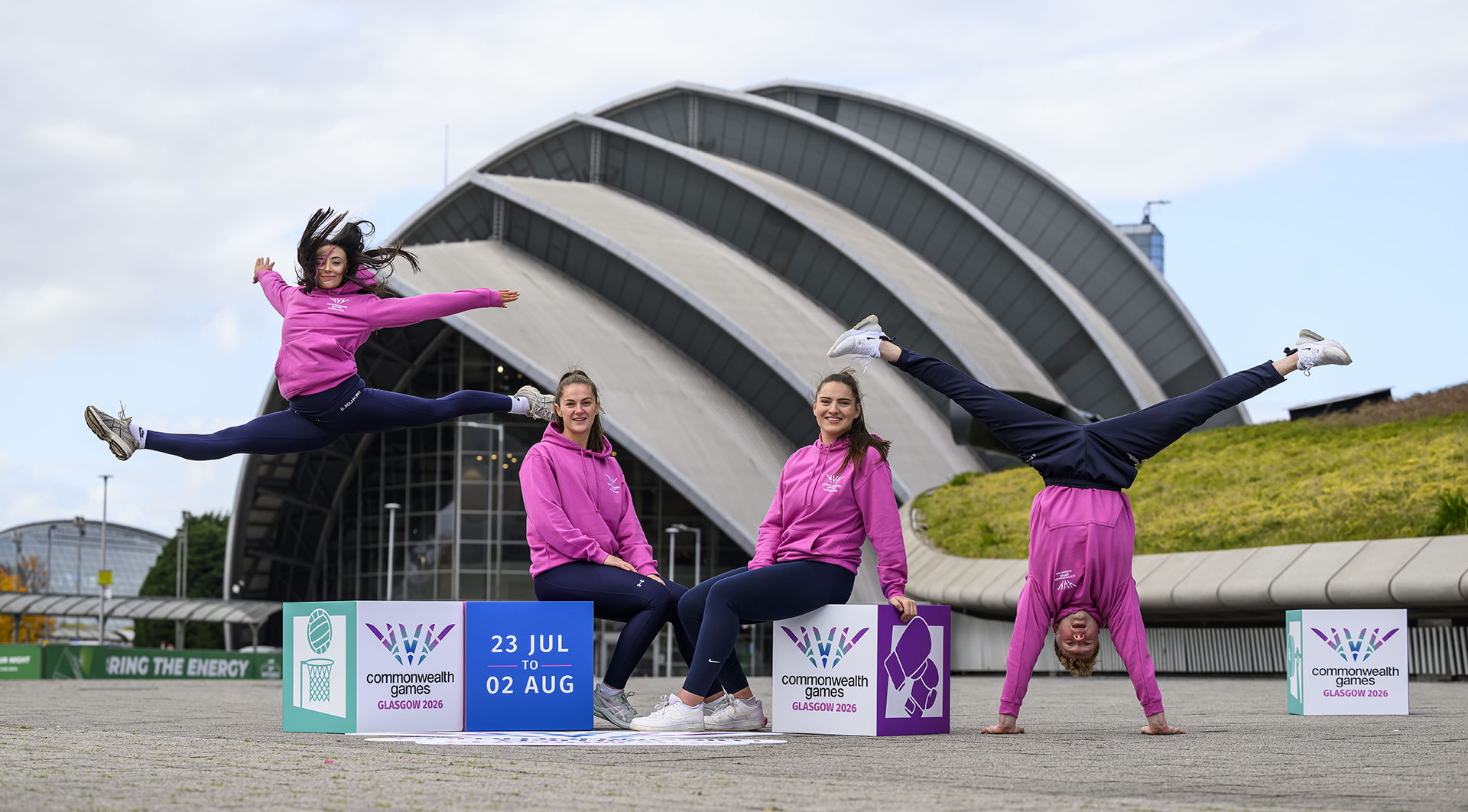
Indian gymnastics is undergoing a quiet revolution, as the national squad heads to the Commonwealth Games 2026 in Glasgow with a strategic shift: trading high-risk, death-defying vaults for impeccable precision. Led by Tokyo Olympian Pranati Nayak and rising stars like Nishka Agarwal, four female vaulters are poised to compete, embracing the technical mastery of Tsukahara and Yurchenko vault over the sheer bravado once championed by trailblazer Dipa Karmakar. This evolving philosophy aims for consistent, high-scoring routines rather than gambling on moves with catastrophic potential. This marks a significant departure from the 'Produnova era' epitomized by Dipa Karmakar, who famously secured India's first Commonwealth Games gymnastics medal in Glasgow 2014 with her audacious execution of the 'vault of death'. While Dipa, who retired in 2024, now passes the baton with full endorsement, the sport's governing body, the Gymnastics Federation of India, has been actively building a framework for this new generation. Intensive training camps, including a recent three-week stint in London, focused on refining basic techniques and maximizing execution scores, crucial for medaling in the current judging climate. As the Games officially commence in Glasgow from July 23 to August 2, 2026, all eyes will be on whether this calculated approach can translate into more medals for India. Pranati Nayak is expected to execute a Tsukahara 360, while Nishka Agarwal is set to attempt a Yurchenko with a 5.0 D-score. The focus on clean landings and reduced angular deductions could see India's gymnasts not just secure podium finishes, but also establish a new, sustainable pathway for future generations in a sport where every fraction of a point counts.