Beyond US Stock Returns: Indian Investors Grapple With Hidden Tax Traps and Rupee Swings
Context mode is active. Hover over any highlighted term to see its definition. Click a nested term to go deeper.
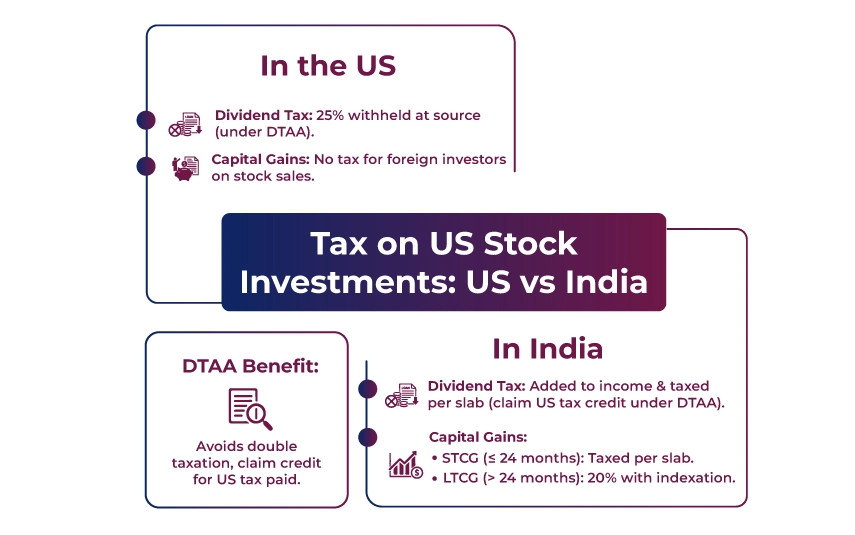
While India's Nifty 50 has dipped approximately 13% this year, the US Nasdaq has surged around 14%, drawing a significant number of Indian investors towards American equities for global diversification and potential growth. However, many are discovering that the actual complexities of investing in US stocks go far beyond simple market gains, with a maze of tax rules, currency shifts, and regulatory hurdles threatening to eat into their returns. The ease of access through fractional shares and new platforms in 2026 masks a deeper set of challenges that can surprise even experienced investors. The real challenge lies in the fine print of cross-border investing. Indian investors now face a 20% Tax Collected at Source (TCS) on remittances above ₹10 lakh under the Liberalised Remittance Scheme (LRS), though it is adjustable against final tax liability. Additionally, profits from US stocks are taxed only in India due to the Double Taxation Avoidance Agreement (DTAA), with long-term gains (held over 24 months) at 12.5%, but dividends face a 25% US withholding tax, which can be claimed as a Foreign Tax Credit (FTC) in India. Navigating the constantly fluctuating Indian Rupee (INR) against the US Dollar (USD) also acts as a 'second return stream,' amplifying or eroding profits depending on its movement. Looking ahead, Indian investors must meticulously plan their US stock strategies, paying close attention to brokerage fees, hidden FX Markup, and the mandatory disclosure of foreign assets in Schedule FA of their Income Tax Returns (ITR-2 or ITR-3). The Securities and Exchange Board of India (SEBI) has also stepped up its investor awareness efforts with new regulations for stockbrokers effective November 1, 2026, making it clear that understanding these intricate cross-border financial rules is no longer optional. Seeking expert advice on tax and compliance is critical to ensure that global ambitions don't turn into costly mistakes.