Solar power hits new milestones in the US even as Trump boosts coal over clean energy
Context mode is active. Hover over any highlighted term to see its definition. Click a nested term to go deeper.
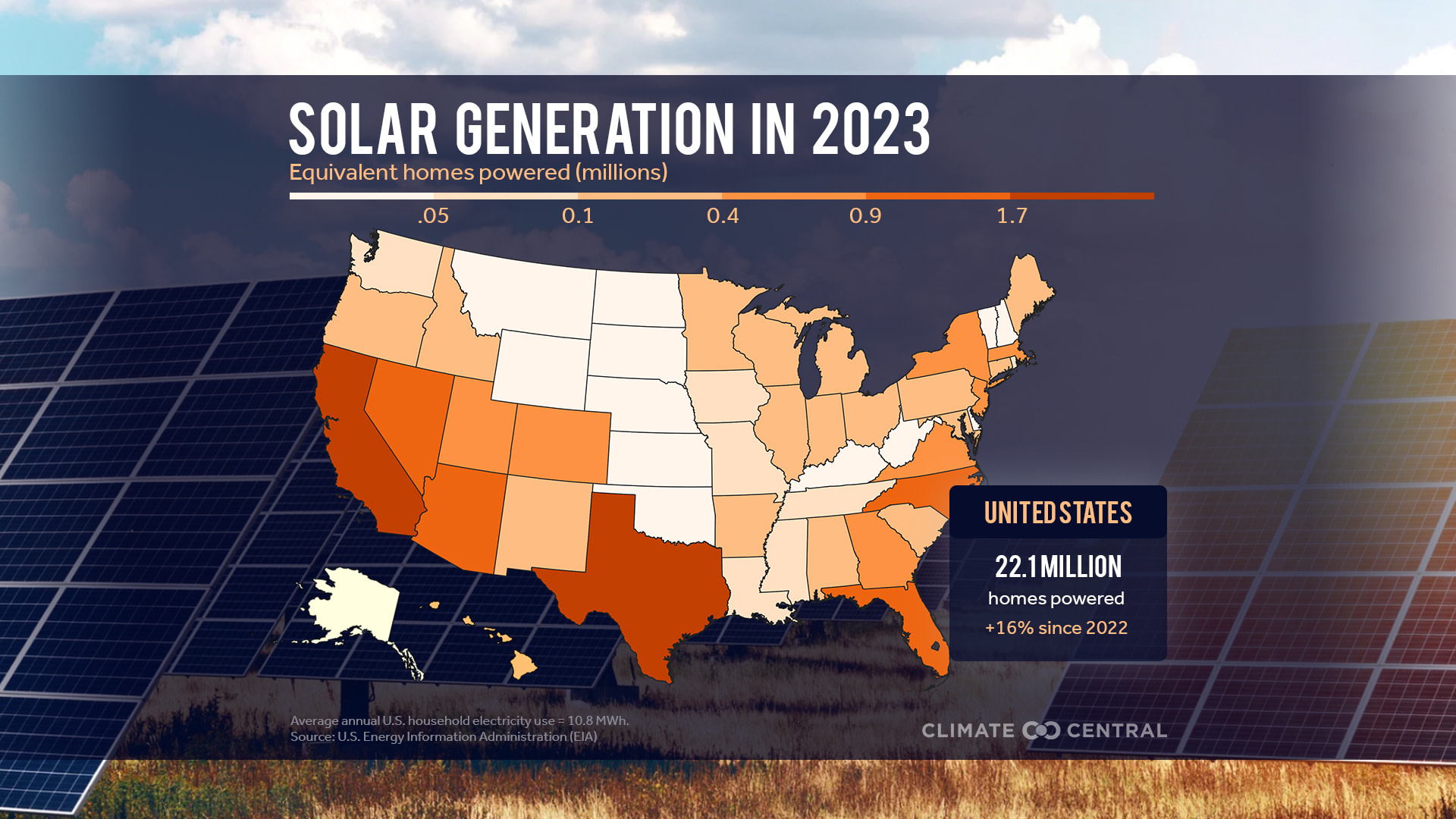
Despite President Donald Trump aggressive push to resuscitate the coal industry, solar power continues its unprecedented ascent, shattering records and dominating new electricity capacity additions across the U.S. In the first quarter of 2026 alone, the United States installed 7.8 gigawatts of new solar capacity, surpassing a remarkable 6 million cumulative installations and accounting for a staggering 91% of all new power added to the grid alongside energy storage. This surge unfolds even as the administration pledges nearly $700 million to bolster struggling coal-fired plants and exports, revealing a deep chasm between federal policy and underlying market realities. This stark dichotomy highlights the collision of political directives with irresistible economic and technological forces. While President Trump leverages Cold War-era tools like the Defense Production Act and rolls back environmental protections for coal ash and air toxics, market fundamentals are decisively favoring solar. The U.S. Energy Information Administration forecasts a record 43.4 GW of new utility-scale solar capacity for 2026, a 60% increase over 2025, driven by plummeting costs, surging electricity demand—particularly from AI data centers—and the lingering effects of the Inflation Reduction Act incentives. Furthermore, domestic solar manufacturing capacity exceeded 60 GW by late 2025, enough to meet annual demand, underscoring a growing, self-reliant clean energy ecosystem. Looking ahead, the tension will only escalate. While commercial solar projects still benefit from federal tax credits, the residential solar Investment Tax Credit was surprisingly eliminated at the end of 2025, a move that could temper household adoption. Concurrently, coal generation is projected to decline by 10% in the first half of 2026 compared to 2025, indicating that administrative support may merely slow, not halt, its structural decline. The critical challenge for solar's continued expansion remains grid infrastructure modernization and mitigating interconnection delays, which threaten to bottleneck thousands of gigawatts of shovel-ready projects. The coming quarters will reveal whether the inherent economic advantages of clean energy can fully overcome regulatory headwinds and infrastructure bottlenecks.