Bhojshala dispute reaches Supreme Court as Muslim side challenges MP High Court order
Context mode is active. Hover over any highlighted term to see its definition. Click a nested term to go deeper.
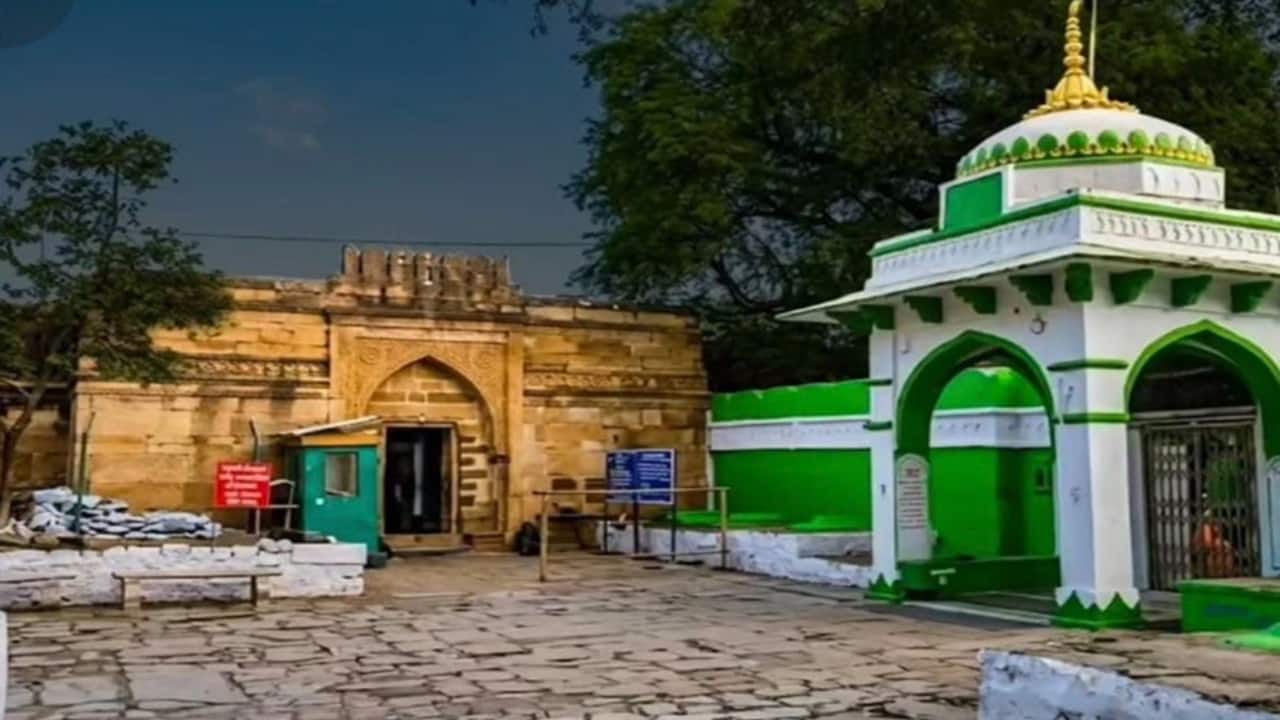
The Supreme Court of India has escalated its involvement in the highly contentious Bhojshala dispute, issuing an interim order that significantly curtails the scope of a Madhya Pradesh High Court directive. The apex court specifically stayed the parts of the High Court's order which permitted a comprehensive archaeological survey of the Bhojshala Complex by the Archaeological Survey of India (ASI) for "scientific investigation/survey/excavation." This judicial intervention came subsequent to a petition filed by the Muslim side, challenging the MP High Court's mandate aimed at definitively ascertaining whether the medieval-era structure in Dhar, Madhya Pradesh, is an ancient Saraswati temple as claimed by Hindus, or the Kamal Maula mosque asserted by Muslims. While allowing the established status quo of worship—Hindus performing puja on Tuesdays and Muslims offering namaz on Fridays—the Supreme Court explicitly prohibited any physical excavation or disruptive actions until further deliberation. This legal development is more than just a procedural pause; it underscores the intricate jurisprudential tightrope walked by India's higher judiciary in mediating deep-seated religious and historical claims. The Bhojshala case, much like the seminal Ayodhya dispute, represents a microcosm of broader identity politics within the nation, where questions of historical revisionism, cultural heritage, and the secular fabric are continually debated. Such high-stakes interventions from the Supreme Court carry substantial precedential weight, influencing how future conflicts over contested worship sites are adjudicated. The ongoing legal wrangling highlights persistent tensions between competing narratives of national identity, heritage preservation mandates, and the fundamental right to religious freedom, ultimately impacting social cohesion and the nation's pluralistic ethos.