Big-Box Giants Build Homes: Costco and Target Lead Urban Housing Revolution
Context mode is active. Hover over any highlighted term to see its definition. Click a nested term to go deeper.
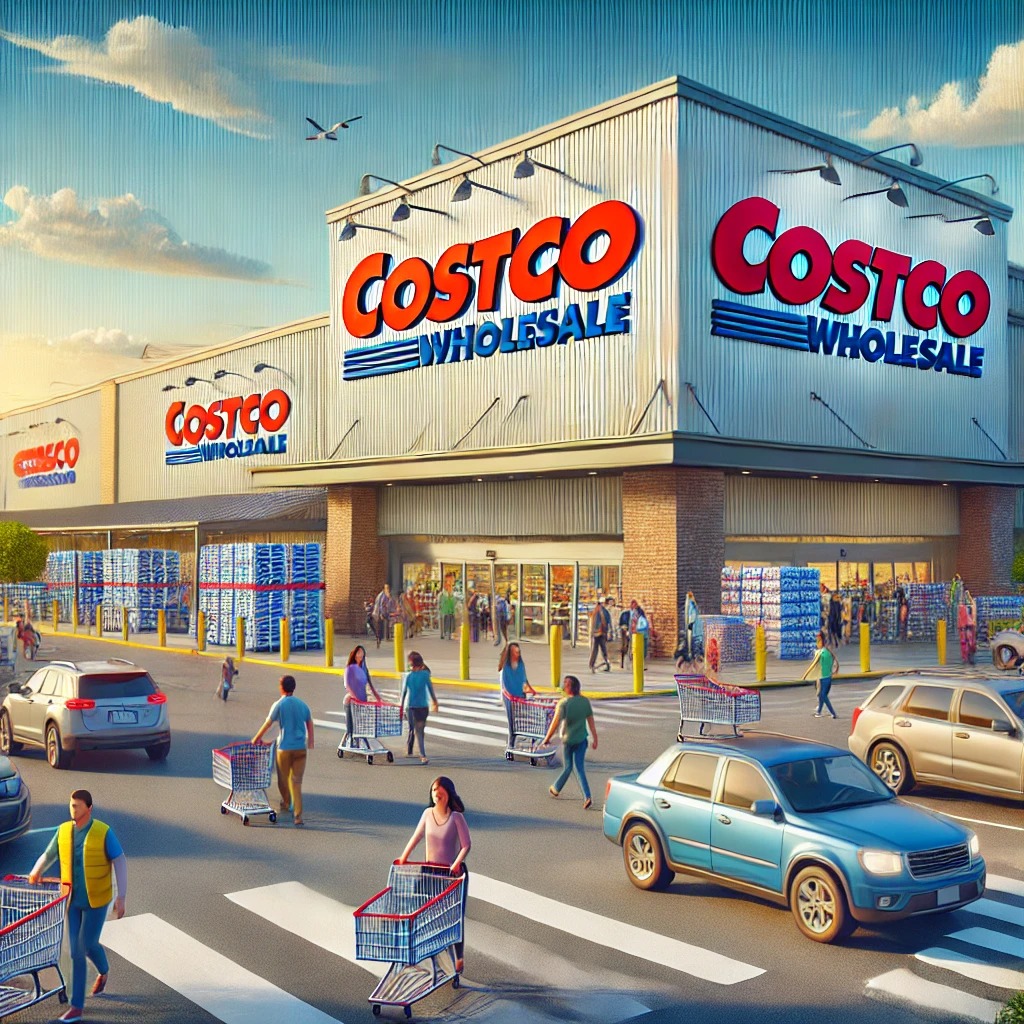
Big-box giants Costco and Target are flipping the script on urban expansion, teaming up with affordable housing developers to build homes directly above and alongside their stores in bustling city centers. This isn't just about selling more groceries; it's a strategic move to unlock scarce urban land and address the growing need for affordable places to live, with major projects underway from Los Angeles to New York City. This innovative approach tackles several challenges at once. For retailers, it offers a new way to tap into dense urban markets where traditional sprawling stores are impossible, gaining built-in customer traffic. For cities grappling with a severe housing crisis, these partnerships bring much-needed residential units, often with a significant portion dedicated to low-income residents, sometimes even bypassing complex government subsidies. For instance, the $450 million Costco-anchored project in Los Angeles's Baldwin Village, set to open in 2028, will feature 800 apartments, with 184 earmarked as affordable, demonstrating a model where retail leases help finance housing. While these mixed-use developments offer mutual benefits, they also face hurdles like managing competing needs for logistics, traffic, and noise between residential and commercial spaces. Policy shifts, such as California's AB 2011 law which speeds up approvals for housing in commercial zones, are crucial in enabling such projects. As more cities explore similar incentives and developers refine their designs, watch for this trend to reshape urban landscapes, potentially making retail stores key players in solving the housing crunch, but also raising questions about balancing community needs with corporate expansion.