Bihar's Flood-Hit Students Brave Treacherous Waters for Education, Awaiting Safer Paths
Context mode is active. Hover over any highlighted term to see its definition. Click a nested term to go deeper.
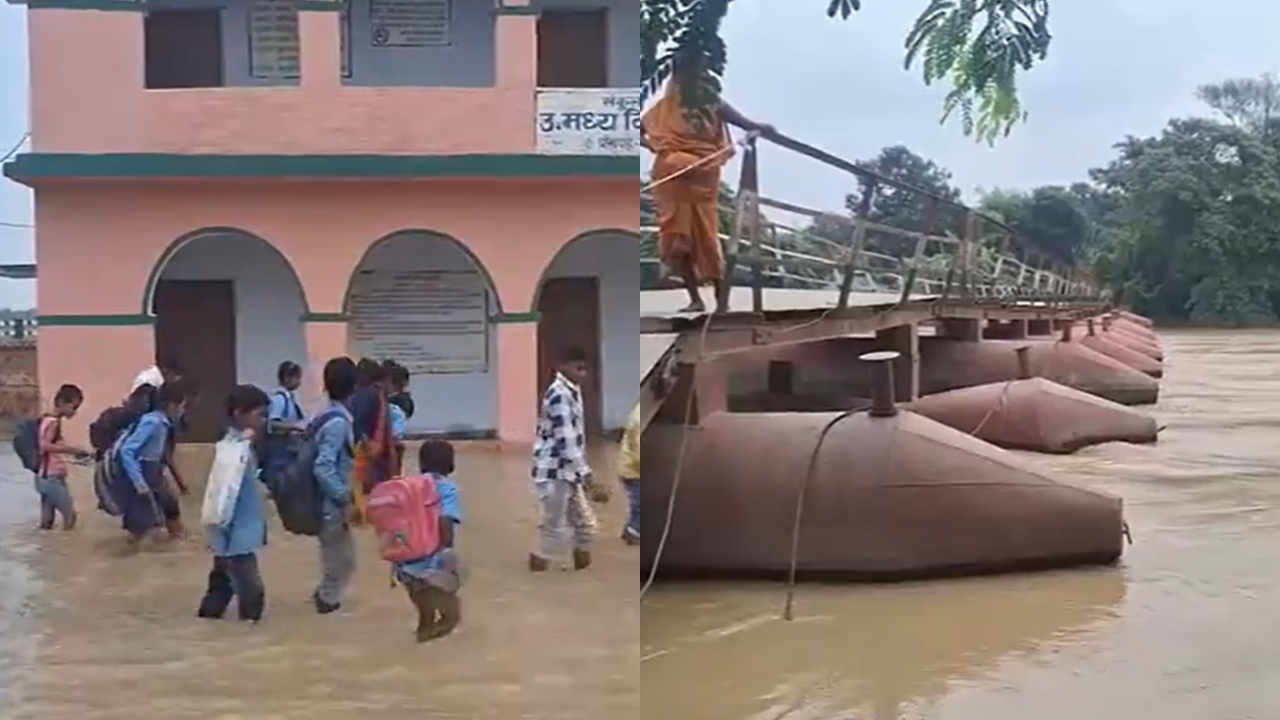
As Bihar grapples with its annual monsoon fury, hundreds of students in districts like Katihar are risking their lives daily, navigating swollen rivers in private boats just to reach school. In Pratapganj, for instance, the Utkramit Madhya Vidyalaya remains encircled by floodwaters, forcing approximately 300 children to rely on informal, often unsafe, boat services as government transport is conspicuously absent. This perilous journey highlights the enduring challenge of education access in India's flood-prone regions, with parents expressing constant fear for their children's safety amidst the strong currents and submerged roads. The current crisis sees the Ganga, Kosi, and Barandi river flowing above their danger mark, exacerbated by flooding in Nepal, which has severely disrupted normal life in Bihar low-lying and riverine areas. While the Bihar government, through initiatives like the Mukhyamantri School Safety Programme (MSSP), has previously focused on school safety, including building raised platforms and conducting preparedness drills, the immediate reality for many remains a struggle against inadequate infrastructure. This recurring situation underscores a broader, systemic issue where annual deluges continue to derail educational continuity and expose fundamental gaps in resilient infrastructure development across the state. With multiple districts affected and many rivers under close watch, the focus now shifts to whether authorities will intensify relief and rescue operations and, crucially, implement long-term solutions like permanent bridges or dedicated, safe public boat services. Calls for improved infrastructure, such as raised bridges, are growing louder from local communities and teachers, who view them as essential to ensuring uninterrupted and safe education, rather than temporary fixes that leave students vulnerable each monsoon season. The coming weeks will be critical in determining the immediate response and signaling any progress towards more sustainable infrastructure planning for Bihar future.