BNPL Expands to Rent and Utilities: A New Lifeline or Deepening Debt Trap?
Context mode is active. Hover over any highlighted term to see its definition. Click a nested term to go deeper.
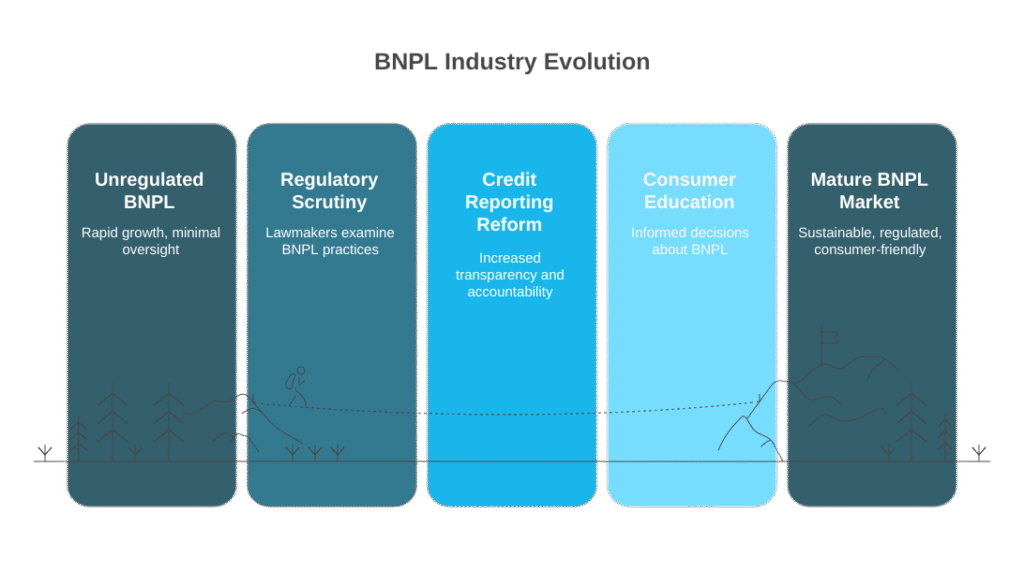
The 'Buy Now, Pay Later' (BNPL) industry is rapidly expanding beyond discretionary purchases like electronics and fashion, now actively pitching loans for essential household needs such as electricity bills and rent payments. Major players like Affirm are piloting programs to split rent into bi-weekly, interest-free installments through partners like Esusu, while Klarna offers 'Klarna Rent' and powers Apple's hardware leasing program, signaling a significant shift in how consumers manage recurring, critical expenses. This pivot comes as households increasingly grapple with the rising cost of living, making BNPL a perceived lifeline for many struggling to make ends meet. This trend underscores a growing reliance on short-term debt to cover basic necessities, with recent surveys indicating nearly half of BNPL users report late payments, and over half state they wouldn't be able to make ends meet without these loans. While BNPL offers flexibility, critics warn of a potential debt trap, as consumers may accumulate multiple loans that are difficult to track and can lead to overdrafts and financial stress. In response to these concerns and a prior federal ruling on BNPL as credit cards being overturned, states like New York and Illinois have stepped up, implementing comprehensive regulations in 2026 that mandate licensing, fee caps, and strict underwriting requirements, aiming to bring more oversight to this rapidly evolving sector. Looking ahead, the BNPL market is projected to continue its robust growth, but this expansion will likely be shadowed by intensifying regulatory scrutiny. Expect more states to follow New York and Illinois in establishing clearer guidelines for BNPL providers, especially as these services become intertwined with fundamental living costs. The focus will be on ensuring transparent disclosures and responsible lending practices to protect financially vulnerable consumers, shaping a more mature yet potentially constrained future for the industry. The ongoing debate between consumer flexibility and the risks of compounding debt will define the next phase of BNPL integration into everyday finance.