Bombay High Court Shields Dissent: Protesting Government Is Not a Crime
Context mode is active. Hover over any highlighted term to see its definition. Click a nested term to go deeper.
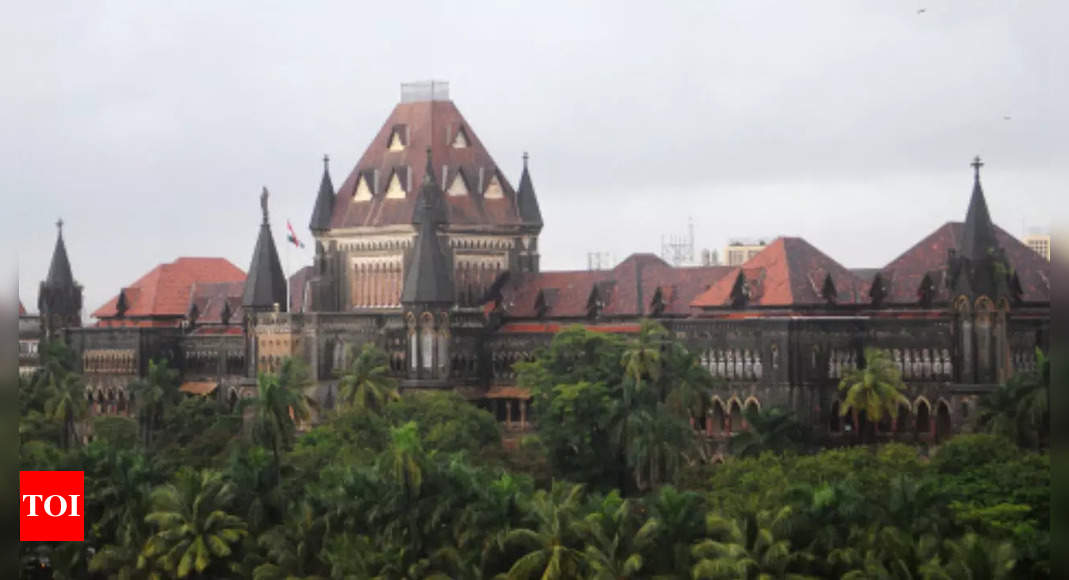
In a landmark ruling that champions democratic dissent, the Bombay High Court on Thursday quashed a year-long externment order against political activist Saeed Ahmad Abdul Wahid Chaudhary. Justice Madhav Jamdar single bench declared that merely protesting against the government or raising slogans, even against Union Home Minister Amit Shah and the ruling BJP, cannot justify banishing a citizen from their home area, strongly reaffirming fundamental rights. This decision arrives amidst growing concerns over the use of punitive measures, like externment order, to curb political activism in India. The court sharply questioned the Mumbai Police's rationale, observing that the alleged offenses against Chaudhary were primarily related to peaceful demonstrations concerning issues such as the Citizenship (Amendment) Act and the Gyanvapi mosque dispute. This ruling sets a critical precedent, reminding authorities that police are public servants, not political functionaries, and that such extraordinary powers under the Maharashtra Police Act cannot be wielded to silence legitimate opposition or treat dissent as a criminal act. The judgment, which called the police action 'mala fide', underscores the delicate balance between maintaining public order and protecting constitutional freedoms. Observers will now be watching how this ruling influences future police actions against protesters and if it encourages a more robust exercise of freedom of speech and expression by political activists across Maharashtra and potentially other states. The court explicitly invoked Articles 19 and 21, setting a high bar for any executive attempt to curtail these liberties.