Bond Market Roar Forces Trump's Hand Amid Debt and Inflation Fears
Context mode is active. Hover over any highlighted term to see its definition. Click a nested term to go deeper.
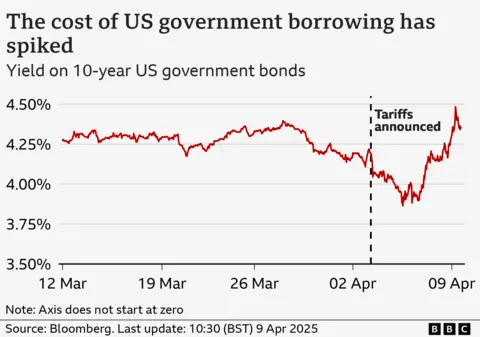
The usually quiet US bond market has roared, pushing the Trump administration to act after investor alarms sent Treasury yields soaring to levels not seen in years. On Wednesday, the US Treasury Department announced it would significantly increase its bond buybacks, more than doubling the amount to at least $4 billion, a move designed to calm worried investors and bring down high borrowing costs. This immediate action comes as rising government debt, ambitious spending plans, and persistent inflation concerns created a sell-off in government bonds, impacting global stock markets and everyday borrowing rates. The market's alarm bells have been ringing louder through the summer, driven by worries over the Trump administration fiscal policy, including proposed tax cuts and increased spending, which are projected to add trillions to the national debt. With the US national debt nearing $40 trillion, investors are demanding higher returns for lending money to the government, causing the 10-year Treasury yield to top 4.7% and the 30-year yield to reach 5.3%, levels last seen before the 2008 financial crisis. Adding to the pressure are sticky inflation numbers, which remain above the Federal Reserve 2% target, and ongoing geopolitical tensions, particularly the Iran war impacting oil prices. The Treasury's bond buyback plan aims to inject more liquidity into the market and ease these pressures, though it remains to be seen if this will be enough to fully restore investor confidence in the long term. This intervention highlights the powerful influence the bond market has, often forcing political leaders to rethink their economic strategies. What the administration does next regarding its fiscal spending and how the Federal Reserve responds to persistent inflation will be crucial watchpoints for markets and citizens alike, as high yields translate to more expensive mortgages, car loans, and business borrowing across the country.