Brainwaves, Not Genes: Amit Etkin Charts Precision Psychiatry's Future Beyond DNA
Context mode is active. Hover over any highlighted term to see its definition. Click a nested term to go deeper.
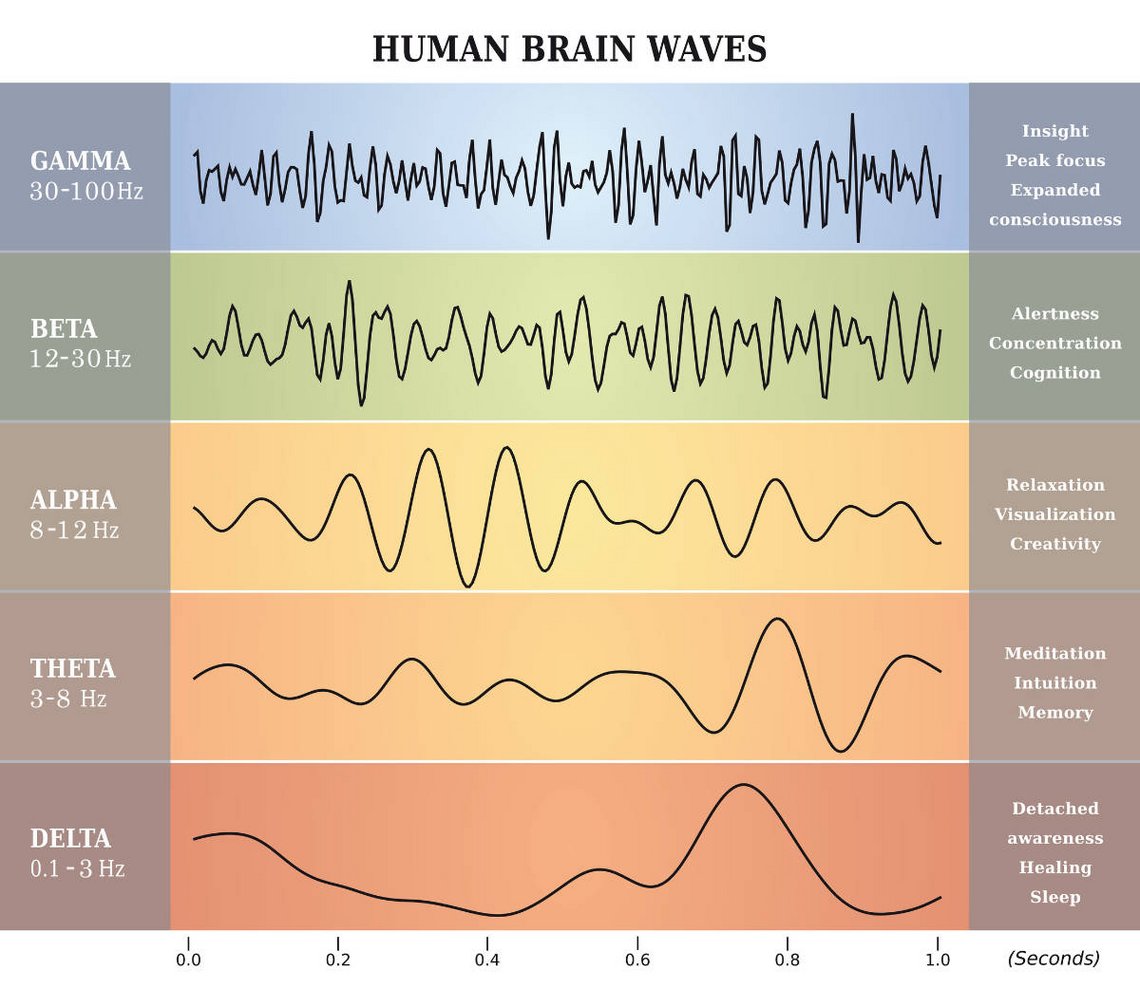
Dr. Amit Etkin, a leading psychiatrist and neuroscientist, is championing a revolutionary shift in how we approach mental health treatment, arguing that the future of 'precision psychiatry' lies in understanding and measuring 'brain activity' rather than solely relying on a person's genetic makeup. This isn't just theory; his company, Alto Neuroscience, is actively developing new drugs by using real-time brain biomarkers, like EEG patterns, to match patients with the right therapies, moving away from the traditional, often frustrating, trial-and-error methods [2, 15, 12]. While genetic research has shed light on the broad genetic links to 'mental health disorders', it has struggled to provide clear, actionable insights for individual patient treatment, especially with complex genetic scores ('polygenic risk score') proving difficult to apply directly in clinics [6, 10]. Etkin and his team believe that by directly observing how the brain functions, using tools like EEG and cognitive tests, they can identify specific 'biomarkers' that predict how a patient will respond to a particular drug. This approach is gaining traction, with recent Phase 2 'clinical trials' for Alto Neuroscience drug ALTO-203 showing promising results in patients with depression, using brain activity measures to guide treatment [16, 19]. The focus on measurable brain activity marks a potential turning point, offering hope for more targeted and effective treatments for conditions like depression, schizophrenia, and bipolar disorder. As Alto Neuroscience progresses with its 'clinical trials' and leverages 'machine learning' to refine patient-drug matching, the psychiatric field could soon see a future where personalized treatment is guided by an individual's unique brain patterns, not just their symptoms or genetic predispositions. This could drastically reduce the guesswork in psychiatry, providing relief to millions worldwide [2, 15, 12].