BRICS Demands Overhaul of Global Economic System for Fairer World Order
Context mode is active. Hover over any highlighted term to see its definition. Click a nested term to go deeper.
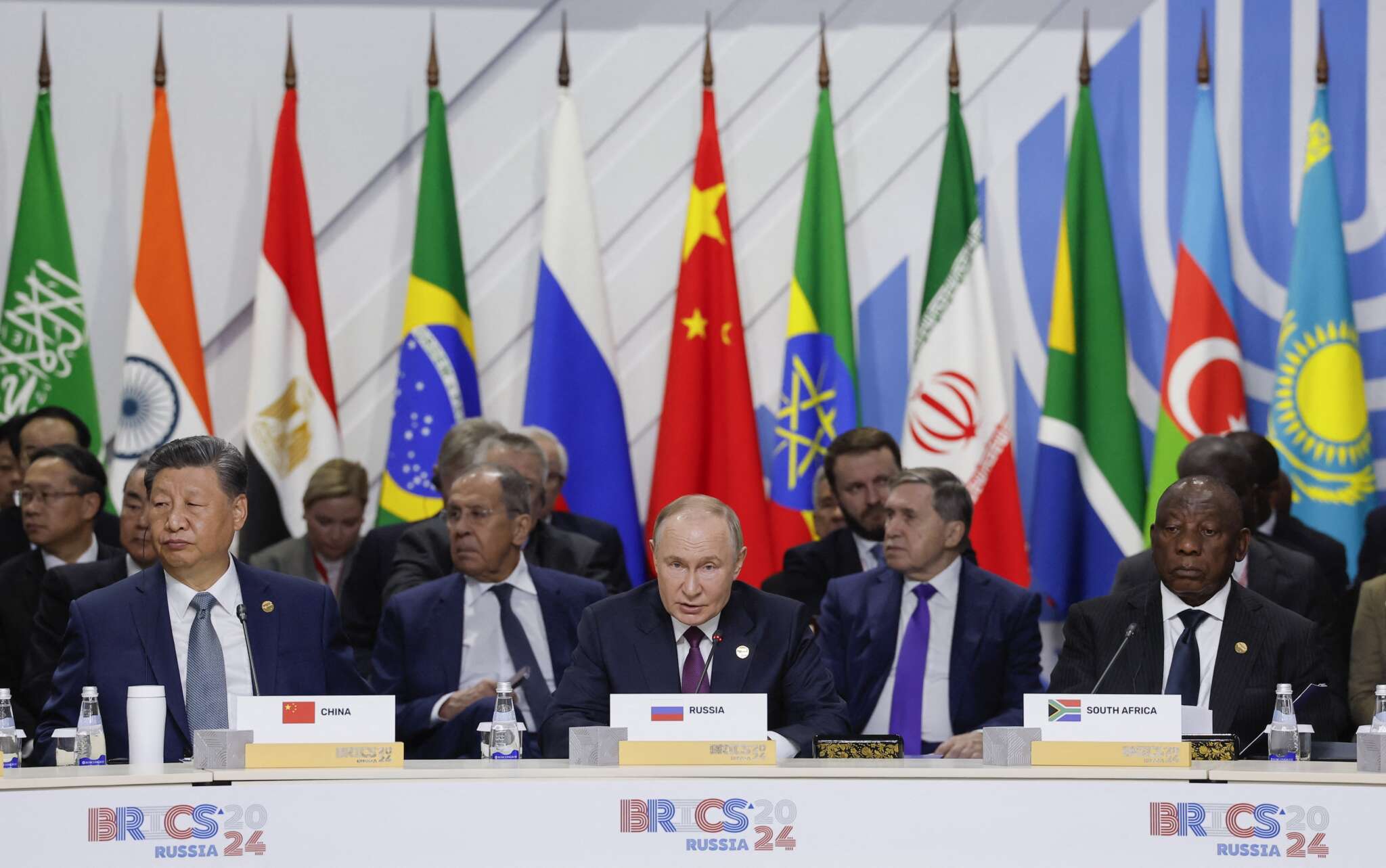
BRICS nations, fresh from their 18th Summit in New Delhi, have forcefully reiterated their demand for a dramatic reshaping of global economic governance institutions like the International Monetary Fund (IMF) and the World Bank. The powerful bloc of 11 emerging economies, now representing nearly half the world's population, insists these post-World War II structures must evolve to reflect today's economic realities and give a much stronger voice to developing nations. India, as the current BRICS Chair, spearheaded this push, with Prime Minister Narendra Modi urging the 'Global South' to become 'rule-shapers' instead of merely 'rule-takers'. This concerted call, codified in the New Delhi Declaration 2026, goes beyond just louder representation; it targets larger voting power and leadership roles for Emerging and Developing Nations (EMDEs) within these global bodies. BRICS leaders also slammed rising protectionism and 'unilateral tariffs' from developed countries, arguing these actions unfairly burden poorer economies and contradict World Trade Organization rules. They're also actively exploring ways to reduce reliance on the US dollar, pushing for expanded use of domestic currencies in trade and capital flows, and even examining central bank digital currencies for cross-border transactions among members. Looking ahead, the bloc's efforts will intensify through initiatives like PM Modi's proposed 'BRICS Reform Roadmap' aimed at outlining concrete changes. The New Development Bank (NDB), BRICS own multilateral lender, is also expected to play a bigger role, focusing on local-currency financing and mobilizing private capital for sustainable development projects across member states. The coming months will show whether this renewed pressure translates into tangible shifts in a global financial system still largely dominated by Western powers, or if BRICS ambition to create a fairer, multipolar world order will continue to face systemic resistance.