BUDGET 2026-27 : NA panel rejects FBR bid to access bank account data
Context mode is active. Hover over any highlighted term to see its definition. Click a nested term to go deeper.
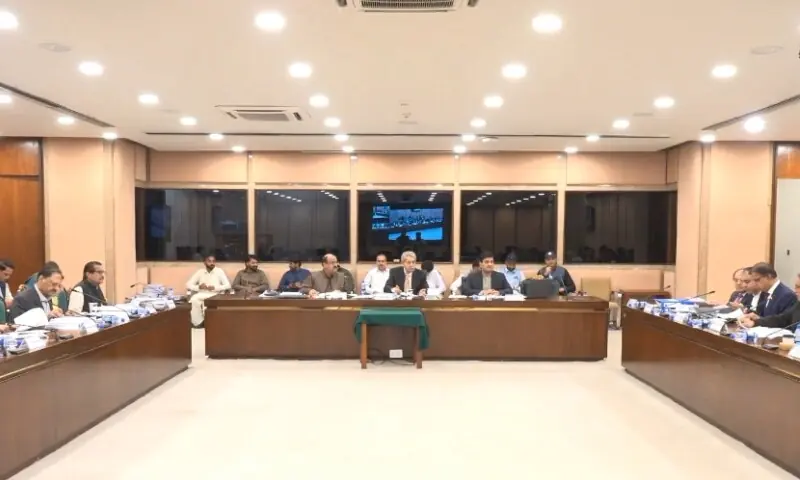
In a critical showdown over Pakistan's Budget 2026-27, the National Assembly Standing Committee on Finance and Revenue delivered a significant blow to the Federal Board of Revenue (FBR) by rejecting its controversial bid to directly access taxpayers' bank account data. Lawmakers cited grave concerns over potential misuse, drawing a firm line against intrusive financial oversight. The committee also pushed back on proposed stricter penalties for tax non-compliance in certain cases, while simultaneously approving substantial new Special Excise Duties on imported luxury vehicles and revising tax rates for the salaried class and IT sector. This decision unfolds against a backdrop of Pakistan's ongoing economic stabilization efforts and a keen focus on broadening the tax base without unduly burdening existing compliant taxpayers. Finance Minister Muhammad Aurangzeb has been navigating intense parliamentary debates on the Rs18.9 trillion ($67 billion) budget, which aims for export-led growth and fiscal discipline following a 2023 balance-of-payments crisis. The committee's stance on bank data access highlights a persistent tension between the FBR revenue targets—with Rs37 trillion held in 1.8 million accounts, only one million registered—and public distrust, underscoring the deep-seated challenge of tax compliance and administrative reform. With the Finance Bill, 2026, heading for final approval by the National Assembly before the July 1 fiscal year start, all eyes are on how these recommendations will shape the final budget. While the FBR direct data access was blocked, the committee did endorse increased penalties for concealing assets and higher surcharges for late filers, signaling a continued push for accountability through other means. The approved new levies on high-end vehicles and adjusted tax structures for services like IT professionals will undoubtedly impact market dynamics and consumer choices, as the government seeks to balance revenue generation with economic development and social equity.