Gujarat Pipavav Port Navigates Stormy Seas: West Asia Crisis Costs 80,000 TEUs
Context mode is active. Hover over any highlighted term to see its definition. Click a nested term to go deeper.
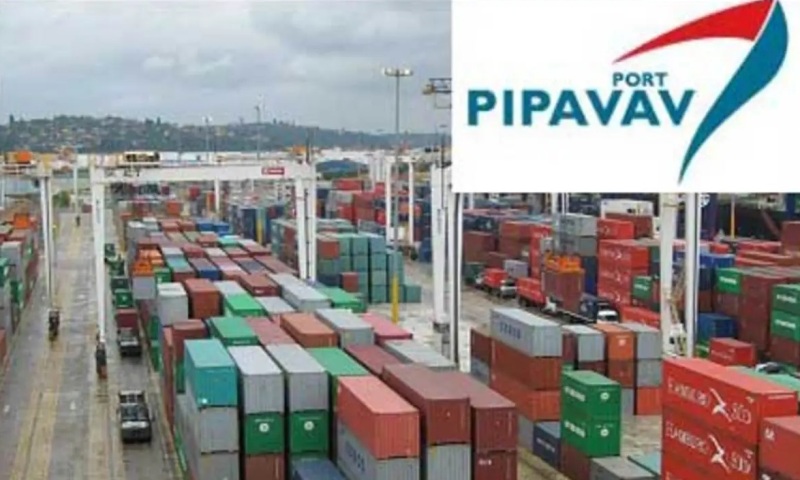
Gujarat Pipavav Port is bracing for a significant blow, anticipating a loss of up to 80,000 Twenty-foot Equivalent Units (TEU) in container traffic for the current financial year, 2026-27, as persistent shipping disruptions in West Asia continue to wreak havoc on global trade routes. The port, operated by APM Terminals, has seen its crucial 'Shaheen Express' service to Jebel Ali suspended since March 2026, a move expected to impact its container volumes throughout the fiscal year. Despite this major setback, the port recently posted a robust 42% surge in net profit for the first quarter of FY27, showcasing its resilience amidst global challenges. The ongoing geopolitical tensions, particularly the prolonged Red Sea crisis and increasing Houthi attacks in the Bab el-Mandeb and Strait of Hormuz, are forcing vessels to reroute around the longer, more expensive Cape of Good Hope, adding weeks to transit times and straining global shipping capacity. This global rerouting has not only impacted container traffic but also led to a sharp 47% decline in liquid cargo volumes at Pipavav, primarily affecting LPG and fuel oil imports from the Gulf region. While Indian exporters express concerns over rising logistics costs and supply chain uncertainty, ports like Pipavav are adapting by focusing on transshipment opportunities and boosting other cargo segments, such as a remarkable 55% jump in Roll-on/Roll-off (Ro-Ro) cargo. Looking ahead, Gujarat Pipavav Port management remains cautiously optimistic, maintaining its full-year container volume guidance of around 700,000 TEU, banking on new services like Maersk FH2 to help offset the disruptions. The completion of a new liquid jetty expansion by March 2027 is also expected to bolster liquid cargo recovery, though the broader geopolitical landscape in West Asia, marked by a recent deadly attack on a merchant ship off Yemen, suggests that volatility will persist well into 2027. Stakeholders will be closely watching for sustained operational efficiency and the effectiveness of new strategic routes in mitigating the lasting impact of these critical global trade chokepoints.