Iran's High-Stakes Strait Gamble: Cornering Trump with New Demands and Risks
Context mode is active. Hover over any highlighted term to see its definition. Click a nested term to go deeper.
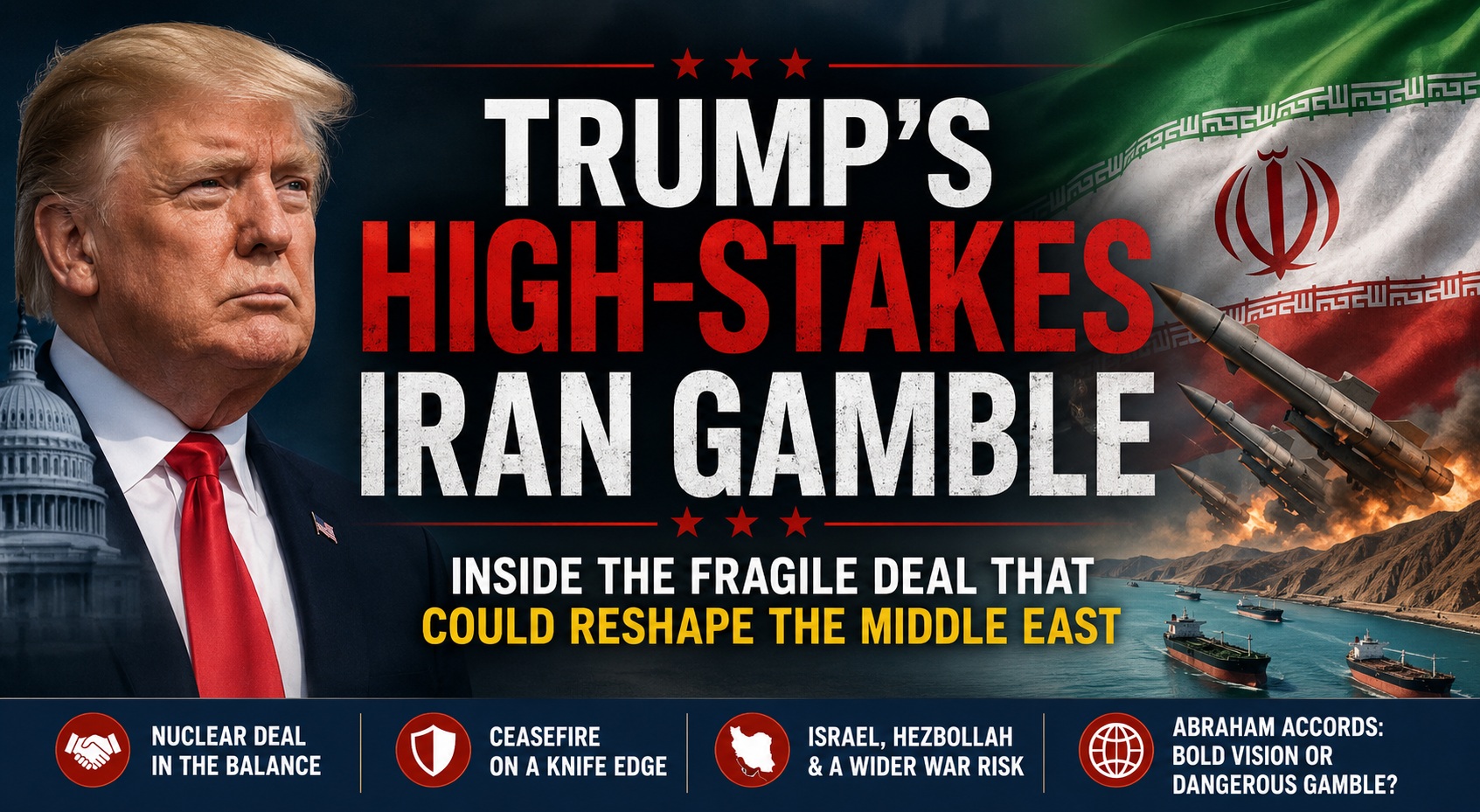
Tensions in the Persian Gulf have escalated sharply as Iran Supreme National Security Council announced tough new conditions for reopening the strategically vital Strait of Hormuz, demanding the US 'correct its behaviour' and compensate Iran for war damages. This move, which comes days after an Emirati ship was reportedly hit by an Iranian missile in the Strait, puts immense pressure on US President Donald Trump, who is eager to restore maritime freedom and ease global energy prices ahead of upcoming US elections. This high-stakes gamble by Tehran is rooted in the ongoing 2026 Iran War, which began after US and Israeli airstrikes in February and saw Iran respond by blocking the Strait. An interim deal in June aimed to reopen the waterway, but Iran claims the US breached it, leading to the current stalemate and renewed naval blockade. Iranian leaders believe US munitions shortages, domestic discontent over soaring fuel costs, and Trump's focus on securing an end to the conflict—even without a nuclear deal—give them a crucial upper hand. As the 60-day negotiation window for a final deal, mediated by Oman, rapidly closes, global energy markets remain on edge. The coming days will reveal whether Trump's administration will concede to Iran sweeping demands for compensation, sanctions relief, and military withdrawal, or if Tehran's risky strategy could backfire, potentially triggering further escalation in one of the world's most critical maritime choke points.