Meanwhile.. Israel and Lebanon hostilities may be moving to a reescalation
Context mode is active. Hover over any highlighted term to see its definition. Click a nested term to go deeper.
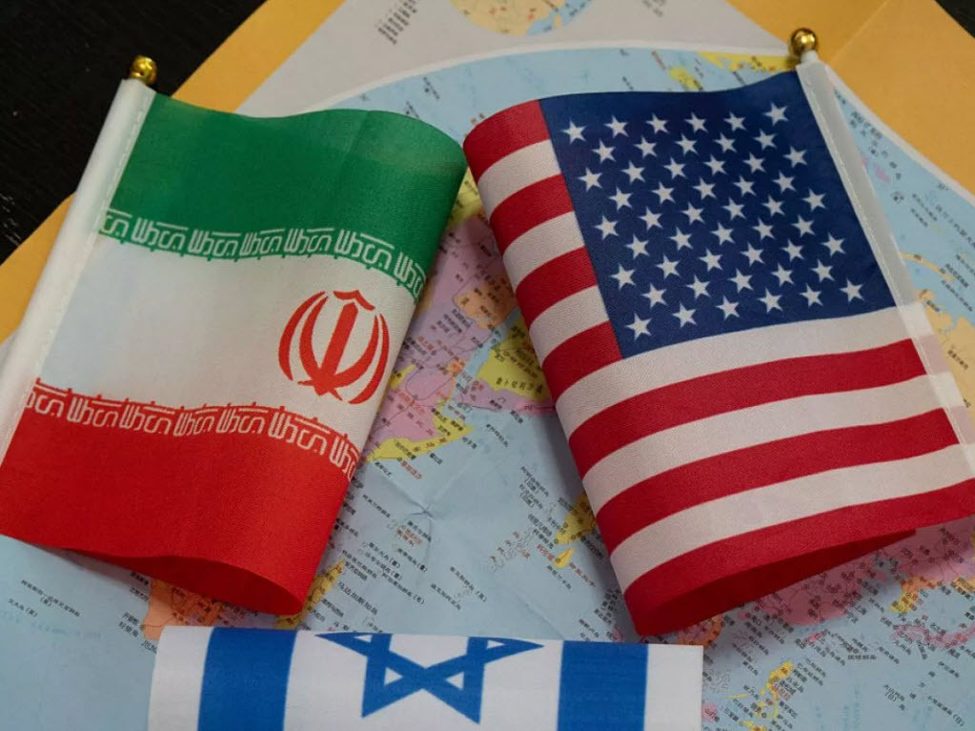
Tensions along the Israel-Lebanon northern border have surged dramatically, with reports indicating increased cross-border fire from Lebanon targeting Israel Defense Forces (IDF) positions, prompting Israel to openly consider easing constraints on its current ceasefire agreement. This swift deterioration comes just as the US and Iran are reportedly nearing breakthroughs on critical nuclear issues and sanctions removal, making any Israeli retaliatory action—particularly a bombing campaign—a direct threat to fragile diplomatic momentum. Regional observers now fear a rapid re-escalation that could unravel months of painstaking US-led negotiations. The immediate stakes are high: the perceived freedom of action for Iran-backed forces like Hezbollah in Lebanon directly challenges Israeli security doctrine, while Prime Minister Benjamin Netanyahu consistent skepticism towards diplomatic solutions clashes with President Donald Trump stated desire for a peace deal. Last week's reportedly heated discussion between Trump and Netanyahu, where Trump asserted he would "do what he wants," underscores the deep strategic chasm threatening to derail not only US-Iran talks but also ignite a broader regional confrontation. All eyes are now on Washington and Jerusalem for a de-escalation signal, as any major Israeli military response will immediately test the resilience of US-Iran diplomatic channels and potentially force a pause, or even a collapse, of nuclear negotiations. The coming days will reveal if the Biden administration can successfully manage these competing imperatives or if the region is bracing for another dangerous cycle of violence that could swiftly pull in wider actors.