Rail services slashed after Thameslink nationalised - The Telegraph
Context mode is active. Hover over any highlighted term to see its definition. Click a nested term to go deeper.
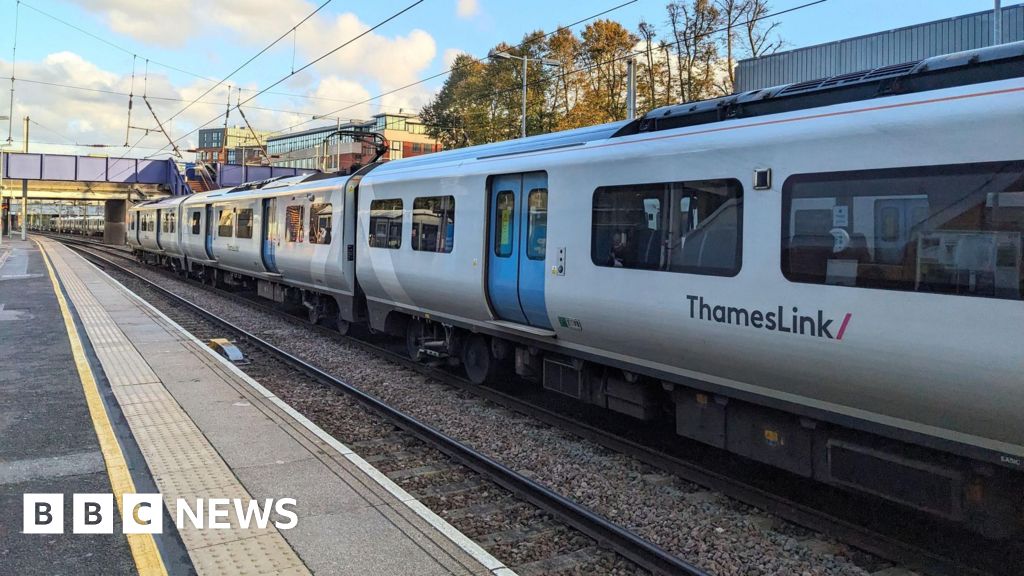
The UK's Department for Transport (DfT) has initiated sweeping service cuts across the newly nationalised Thameslink network, immediately following the expiry of Govia Thameslink Railway (GTR) contract. Commuters face substantial reductions in peak-hour services and overall timetable frequency as the state-owned Operator of Last Resort (OLR) takes the reins, citing the need for operational rationalisation and cost-efficiency. This move signals a decisive, if disruptive, shift in the government's long-term strategy for Britain's beleaguered rail system. This abrupt curtailment of services underscores the immediate challenges facing the Great British Railways (GBR) reform agenda, which seeks to unify fragmented rail operations and improve service reliability under closer public control. The DfT decision follows years of chronic industrial disputes and a persistent decline in post-pandemic ridership, particularly affecting urban commuter routes. Critics argue the cuts punish passengers for systemic failures, while proponents emphasize a necessary overhaul to make the network financially sustainable and more efficient. As the OLR grapples with the operational handover and anticipated public backlash, all eyes are on Secretary of State for Transport, Maria Caulfield, for clarity on how these cuts align with the broader GBR vision. The immediate ripple effects could include increased road congestion and pressure on alternative transport, while also setting a precedent for other struggling rail franchises nearing contract expiry. The coming months will test the government's ability to balance fiscal prudence with public service delivery, shaping the future landscape of UK transport.