Cabral's Agrarian Vision: A Call for Soil and Human Freedom Resonates Today
Context mode is active. Hover over any highlighted term to see its definition. Click a nested term to go deeper.
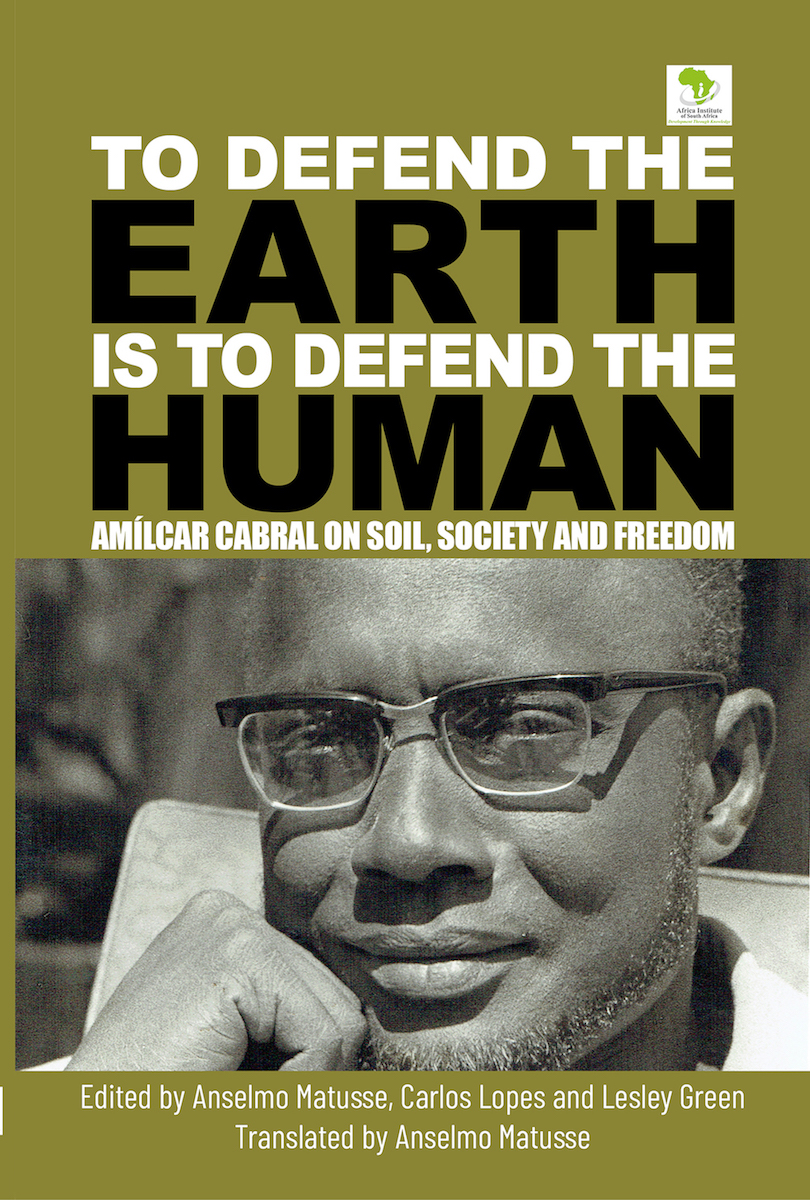
A new English translation of Amílcar Cabral's profound agricultural writings, titled 'To Defend the Earth is to Defend the Human: Amílcar Cabral on Soil, Society and Freedom,' is sparking fresh debate, with its official launch events taking place recently in July 2026. This timely collection brings the Guinea-Bissau leader's revolutionary ideas on soil health and its inseparable link to human freedom and political liberation into sharp focus, offering critical insights for Africa's urgent environmental and food security challenges today. Cabral, an agronomist and anti-colonial revolutionary, argued that the exploitation of land under colonialism directly mirrored the oppression of people, a concept resonating deeply as Africa grapples with widespread soil degradation and the impacts of climate change. Africa faces a silent emergency: approximately 75-80% of its cultivated land is degraded, losing significant nutrients annually and affecting hundreds of millions of people. This crisis, rooted in historical patterns of colonial extraction and monoculture farming, is exacerbated by climate change, leading to devastating droughts, floods, and diminished agricultural yields. Cabral's work challenges the prevailing input-heavy agricultural models, advocating instead for local and traditional landscape care, food sovereignty, and a decolonial environmentalism that recognizes soil as a political, historical, and human entity. The 2024 Nairobi Declaration, committing to reverse land degradation on 30% of degraded soils by 2034, underscores the continent's recognition of these intertwined issues. As discussions around climate resilience, food systems, and regenerative agriculture gain momentum across Africa, Cabral's rediscovered writings provide a powerful theoretical framework. His call to 'defend the Earth is to defend the human' is pushing policymakers and environmentalists to rethink development and sustainability, emphasizing that social transformation cannot be separated from soil stewardship. The ongoing efforts to decolonize African agriculture and prioritize indigenous knowledge systems are direct applications of Cabral's enduring legacy, making his ideas more relevant than ever for charting a path toward a just and food-secure future for the continent.