California Leads Nation, Passes Landmark Laws Protecting Workers from AI Job Risks and Surveillance
Context mode is active. Hover over any highlighted term to see its definition. Click a nested term to go deeper.
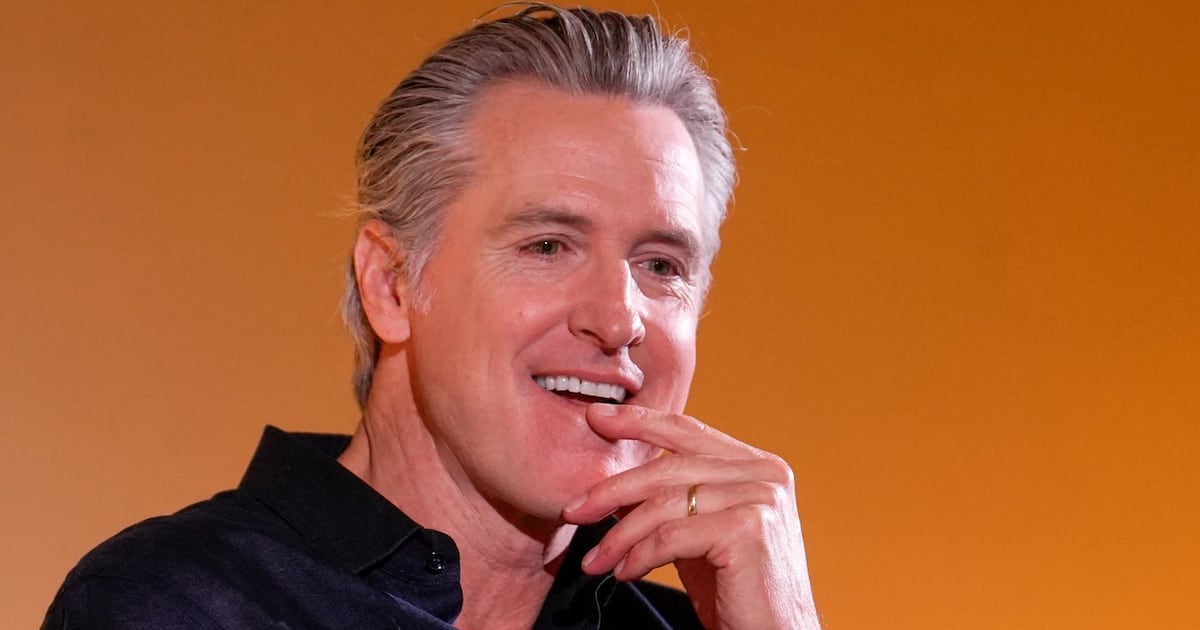
California Governor Gavin Newsom has signed a package of first-of-their-kind laws aimed at protecting workers from the growing risks of Artificial Intelligence, including potential job losses and intrusive workplace surveillance. These new rules, signed on Wednesday, make California a national leader in setting clear guardrails for how companies can use AI, especially concerning hiring, firing, and monitoring employees. The move highlights a growing global concern over AI rapid impact on human labor and privacy. The new legislation includes Senate Bill 947, known as the 'No Robo Bosses Act,' which stops employers from relying only on AI for important decisions like worker discipline or firing, making sure a human checks and confirms these choices. Senate Bill 951 updates the California Worker Adjustment and Retraining Act, requiring companies to give special notice when AI causes mass layoffs or job changes, including details on how AI is replacing human roles. Additionally, Assembly Bill 1883 restricts AI-powered tools that try to guess a worker's feelings or collect 'neural data' from their brain, while Assembly Bill 1331 bans surveillance tools in workplace bathrooms. This strong stance comes as Newsom openly criticized the federal government for not having comprehensive AI regulations, contrasting California's approach with suggestions for industry 'self-policing.' With key parts of these laws set to begin in early 2027, and SB 947 following in July 2027, other states and countries will be closely watching California's experience. As Governor Newsom concludes his term in January, these actions solidify California's role as a trailblazer in adapting laws to the fast-changing world of AI, leaving a lasting mark on how technology and labor will coexist. The coming months will show how businesses and workers adjust to these new protections and whether these laws truly expand opportunities without hurting jobs and families, as Newsom hopes.