California Will Vote on a Billionaire Tax. Billionaires Aren’t Happy.
Context mode is active. Hover over any highlighted term to see its definition. Click a nested term to go deeper.
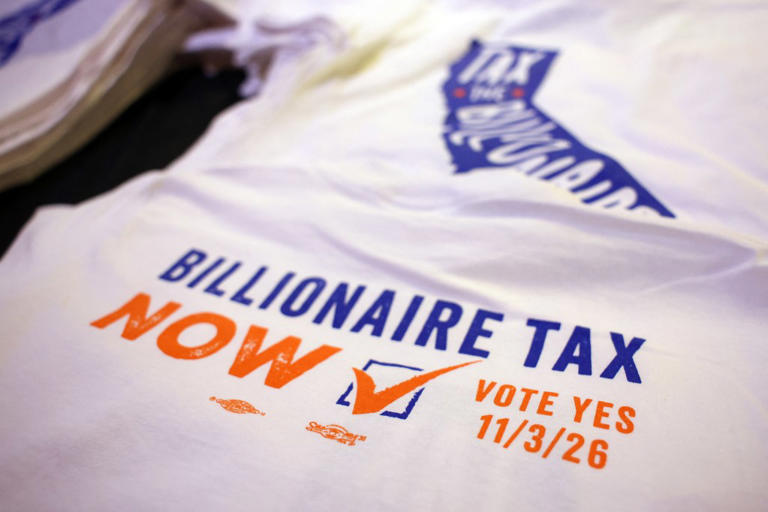
California is barreling towards a high-stakes November vote on a one-time 5% tax targeting its billionaires, after the measure officially qualified for the ballot and failed to be negotiated away by a June 25th deadline. This isn't just a political squabble; it's a direct clash over wealth redistribution that has the state's ultra-rich unleashing a coordinated, multi-pronged counter-attack, including two ballot measures designed to nullify the tax even if voters approve it. The battle lines are drawn, promising an unprecedented spending spree and a potentially seismic shift in state fiscal policy. The proposed California Billionaire Tax, championed by the Service Employees International Union-United Healthcare Workers West (SEIU-UHW), aims to raise an estimated $100 billion over five years for healthcare, education, and food assistance, offsetting federal cuts by the Trump administration. However, it faces fierce opposition from Governor Gavin Newsom, who argues it'll drive away the wealthy and destabilize the state's budget, advocating for a national wealth tax instead. Billionaires like Google co-founder Sergey Brin, despite reportedly having left California, are actively funding the opposition, backing 'poison pill initiatives' that could effectively kill the tax. Independent analyses, like those from the Legislative Analyst's Office and the Hoover Institution, also cast doubt on the revenue projections, warning of potential long-term revenue losses if the rich flee. As November approaches, expect a barrage of campaign ads and intense lobbying. The fate of the California Billionaire Tax, and whether its 'poison pill' rivals gain more votes, will not only reshape California's fiscal future but also set a critical precedent for states nationwide grappling with deep income inequality. This isn't just about one tax; it's about who holds power in shaping economic policy and whether the wealthiest can be compelled to contribute more to public services.