Canada's Indian Act on the Brink: A Historic Shift Towards First Nations Autonomy
Context mode is active. Hover over any highlighted term to see its definition. Click a nested term to go deeper.
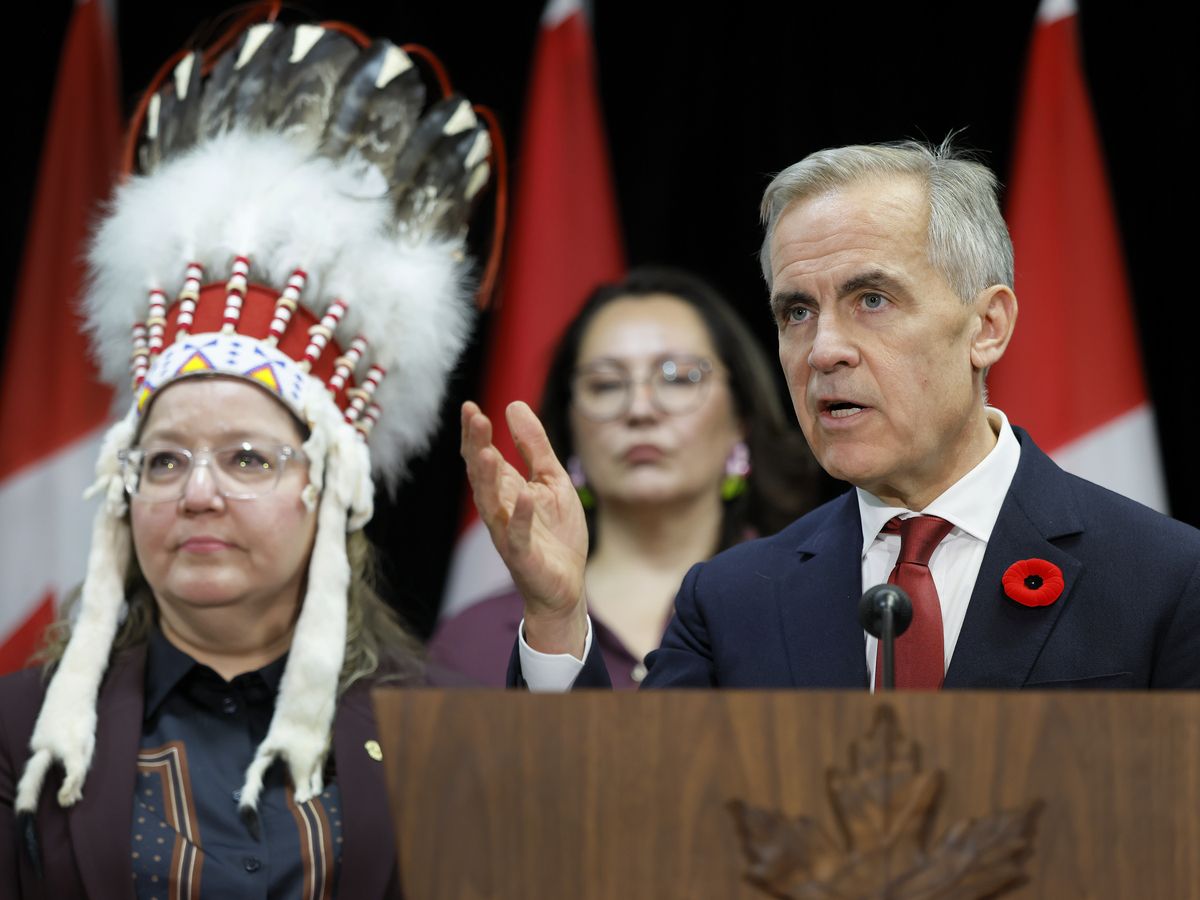
In a truly historic moment for Canada, Prime Minister Mark Carney has signaled his government's readiness to overhaul or even abolish the 150-year-old Indian Act, a colonial-era law that has profoundly shaped the lives of First Nations people. This significant announcement came after a rare, dedicated meeting on October 26, 2026, between First Nations leaders, provincial premiers, and the Prime Minister, marking the first such gathering in over two decades. The move could fundamentally reshape the relationship between the Canadian government and Indigenous communities, though it immediately sparks debate on what will replace it and who benefits most from such a change. Manitoba Premier Wab Kinew, himself Anishinaabe, ignited the discussion by openly calling for the Indian Act abolition during the closed-door session, a proposal Prime Minister Carney described as 'very open to.' While this commitment is a pivotal step towards First Nations self-determination, it also brings a sharp focus to underlying tensions. Columnist Terence Corcoran, for instance, views this as another 'power grab,' cautioning that any replacement could empower First Nations leaders at the expense of individual Indigenous citizens and the broader Canadian populace, drawing parallels to the contentious 1969 White Paper. The Indian Act legacy of assimilation, control over land, and the forced residential school system has made its dismantling a long-standing demand, yet finding a consensus on a path forward remains complex. The path ahead promises to be intricate and contentious, requiring co-developed processes with First Nations leadership. Discussions are already underway, with the Prime Minister instructing ministers to work on moving beyond the Act, exploring options for greater First Nations control over land and resources. The recent meeting also unveiled plans for a First Nations Sovereign Wealth Fund and substantial investments in emergency preparedness and Indigenous workforce development. However, significant hurdles remain, including reaching agreement among the 634 First Nations on a replacement framework and navigating political disagreements, as evidenced by ongoing debates around Bill S-2 regarding 'Indian Status' inequities.