Canada's U.S. ambassador tries to ease tariff anxiety after Trump's latest CUSMA comments
Context mode is active. Hover over any highlighted term to see its definition. Click a nested term to go deeper.
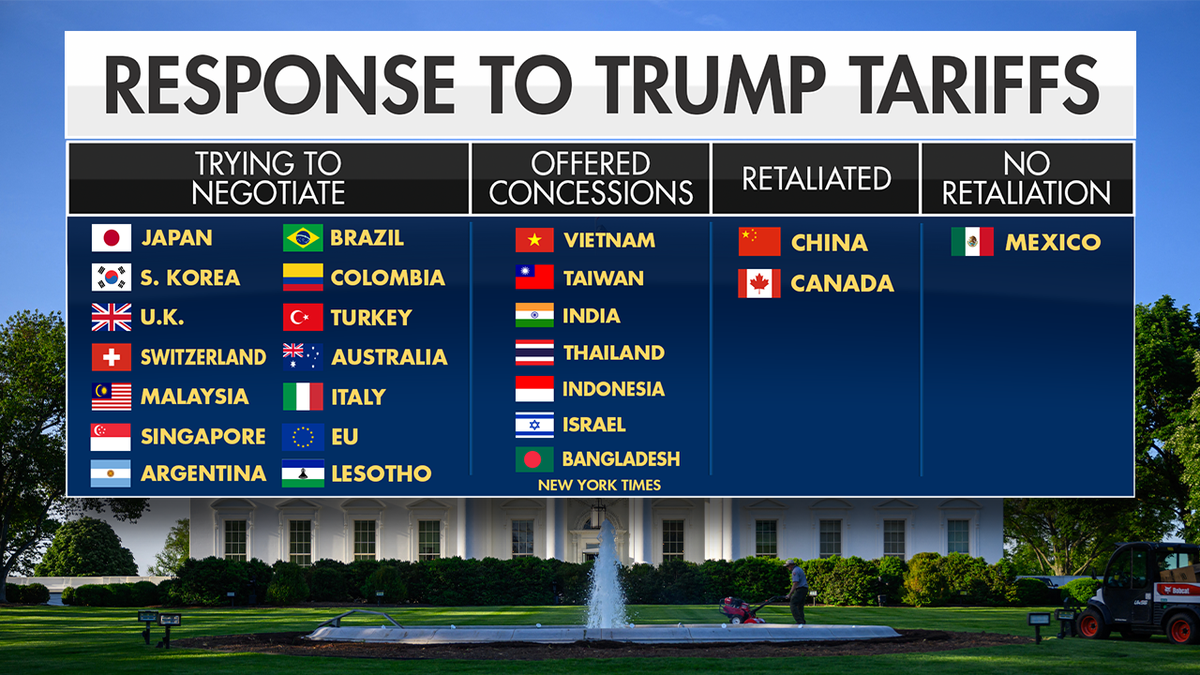
Canada U.S. Ambassador, Mark Wiseman, is actively working to temper anxieties surrounding the Canada-U.S.-Mexico Agreement (CUSMA) review, set for July 1, 2026, following recent comments from U.S. President Donald Trump that he is 'not looking to renew' the pact. Wiseman emphasized that the July 1 deadline is a 'checkpoint, rather than a cliff,' asserting that the agreement will remain in force until 2036 even without immediate renewal. His reassurances come as Canada and Mexico push for a 16-year extension amidst U.S. demands for modifications and the lingering threat of new tariffs. President Trump's June 10 declaration, where he claimed the U.S. doesn't 'need anything that Canada has,' has heightened the stakes for North American trade relations, already strained by existing Section 232 tariffs on steel, aluminum, and certain industrial equipment that took effect June 8, 2026. These developments occur as the United States Trade Representative (USTR) outlined trade concerns, including Canada dairy supply management system, which are likely to become negotiation points during the CUSMA review. Canada Trade Minister Dominic LeBlanc has formally requested a 16-year extension, signaling a desire to stabilize trade amidst an already fragile economic environment marked by tariff uncertainty affecting businesses and the housing market. The upcoming review in July will determine whether the three nations extend the agreement to 2042 or subject it to annual evaluations for the next decade, potentially leading to its expiration in 2036. While a full withdrawal remains a possibility—any party can issue a six-month notice—analysts largely anticipate a continued period of negotiation and potential amendments rather than an outright termination, underscoring the deep economic integration that makes a full unwinding immensely costly. Observers are closely watching for concrete outcomes from the Free Trade Commission meetings and how trilateral coordination, particularly between Canada and Mexico, will navigate the political and economic pressures from Washington.