Canada's 'Unthinkable' Scenario: Military Drills Simulate US Invasion Amid Rising Tensions
Context mode is active. Hover over any highlighted term to see its definition. Click a nested term to go deeper.
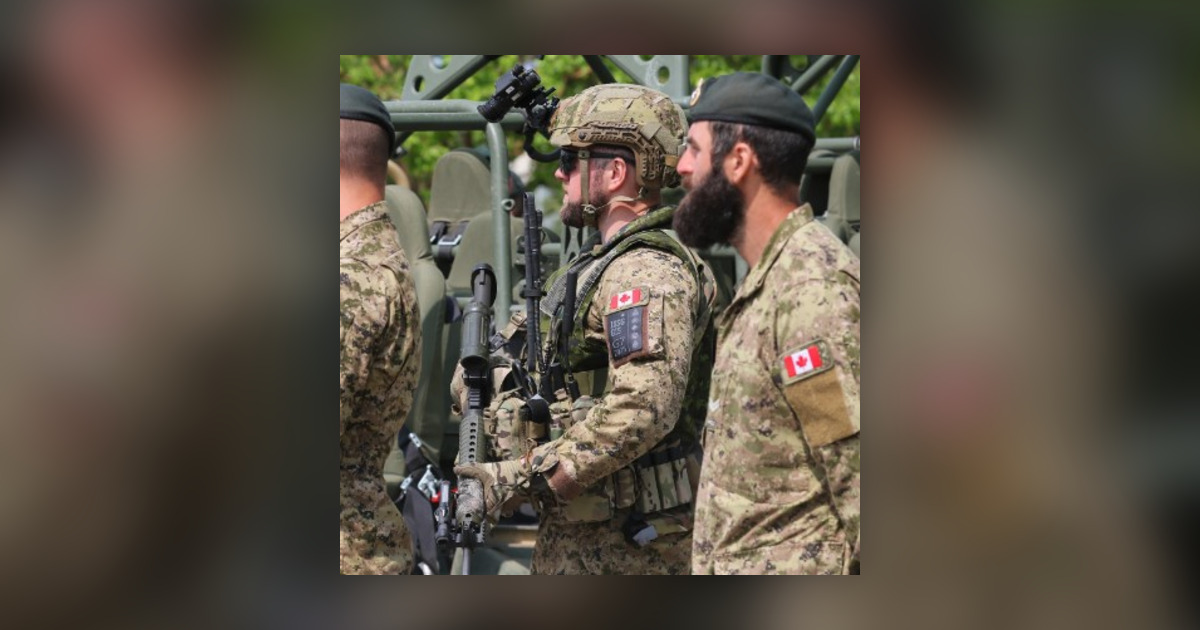
Canadian Prime Minister Mark Carney has sent ripples across North America by confirming the Canadian military is actively running scenarios for a hypothetical United States invasion, a revelation he termed an 'extreme tail risk' but a necessary exercise in national risk management. This extraordinary admission underscores a growing undercurrent of geopolitical unease, even between historically close allies, and highlights Canada's renewed focus on defending its sovereignty against even the most unlikely threats. The Canadian Armed Forces are reportedly modeling a swift conventional US attack, with a counter-strategy focused on 'unconventional resistance' tactics such as small units, sabotage, and drone warfare. This unprecedented disclosure comes amid a backdrop of strained Canada-US relations, fueled in part by former President Donald Trump past rhetoric about Canada becoming the '51st state' and ongoing trade frictions. Canada has been aggressively pursuing 'strategic autonomy,' diversifying its defense relationships and significantly ramping up its defense spending, aiming to hit 2% of GDP in 2025-2026 and potentially 5% by 2035. These moves include substantial investments in modernizing NORAD, acquiring F-35 fighter jets, and deploying advanced surveillance systems like Over-The-Horizon Radar. Historically, Canada has developed contingency plans against the US, such as Defence Scheme No. 1, just as the US once conceived War Plan Red for a potential invasion of Canada. The immediate implications of Carney's comments involve a re-evaluation of North American security dynamics and the very nature of alliance solidarity. While the scenario is hypothetical, it forces a critical examination of how alliances like NATO would respond if an armed conflict arose between two member states, a situation Article 5 of the North Atlantic Treaty has never explicitly addressed. As Canada continues its defense build-up and diversification, the world will be watching how these 'extreme tail risk' preparations influence future bilateral cooperation and the broader strategic landscape of the continent.