Canadian Counter-Tariffs Loom: Montreal Businesses Brace for Supply Chain Shock
Context mode is active. Hover over any highlighted term to see its definition. Click a nested term to go deeper.
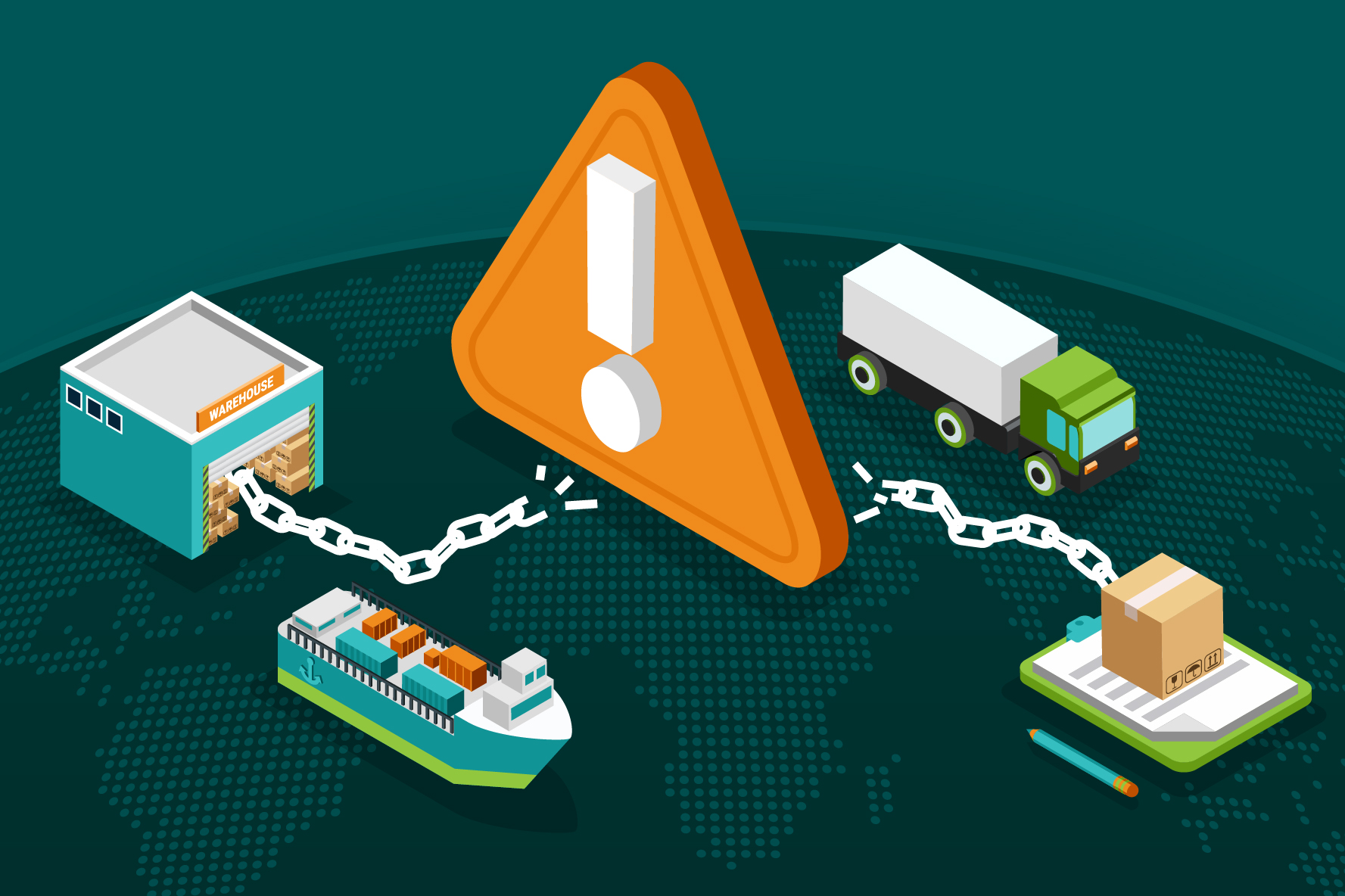
Montreal's small businesses, deeply embedded in the U.S. supply chain, are facing another wave of economic uncertainty as Canada prepares to implement new retaliatory tariffs on a staggering C$27.6 billion worth of U.S. imports, effective September 8, 2026. This move comes as a direct, 'dollar-for-dollar' response to the U.S. imposing its own 50% tariffs on Canadian goods back in August, intensifying an already strained bilateral trade relationship. The latest escalation marks a significant downturn in Canada-U.S. trade relations, which deteriorated following the collapse of negotiations in August 2026. The U.S. tariffs, primarily enacted under Section 338 of the Tariff Act of 1930, targeted Canadian dairy, alcoholic beverages, and a broad category of 'motor vehicles' that includes electronics, furniture, and building materials. Canada's counter-tariffs will now hit U.S. steel, dairy, appliances, agricultural equipment, pulp and paper, plastics, and electronics, placing immense pressure on cross-border supply chain and raising costs for businesses like Montreal's atelier b clothing store and Aerys Packaging. This ongoing 'Trade War' challenges the very foundation of the USMCA trade agreement, with negotiations having collapsed and political trust eroding between the two nations. In response, the Canadian Government has rolled out a C$7.5 billion support package, including a C$1.5 billion Regional Tariff Response Initiative and a C$500 million liquidity stream via the Business Development Bank of Canada (BDC) 'Pivot to Grow program', aimed at helping small and medium-sized enterprises navigate the immediate financial pressures. However, for many Montreal businesses, the repeated trade disputes have already prompted efforts to diversify supply chain, often shifting away from U.S. inputs and seeking local or international alternatives. The Canadian Federation of Independent Business (CFIB) warns that manufacturers, construction, wholesale, and retail sectors in Quebec will be particularly impacted, forcing difficult decisions on passing costs to consumers or absorbing losses in an already tight margin environment.