Trump says U.S. will not 'rush into a deal' with Iran, as criticism mounts
Context mode is active. Hover over any highlighted term to see its definition. Click a nested term to go deeper.
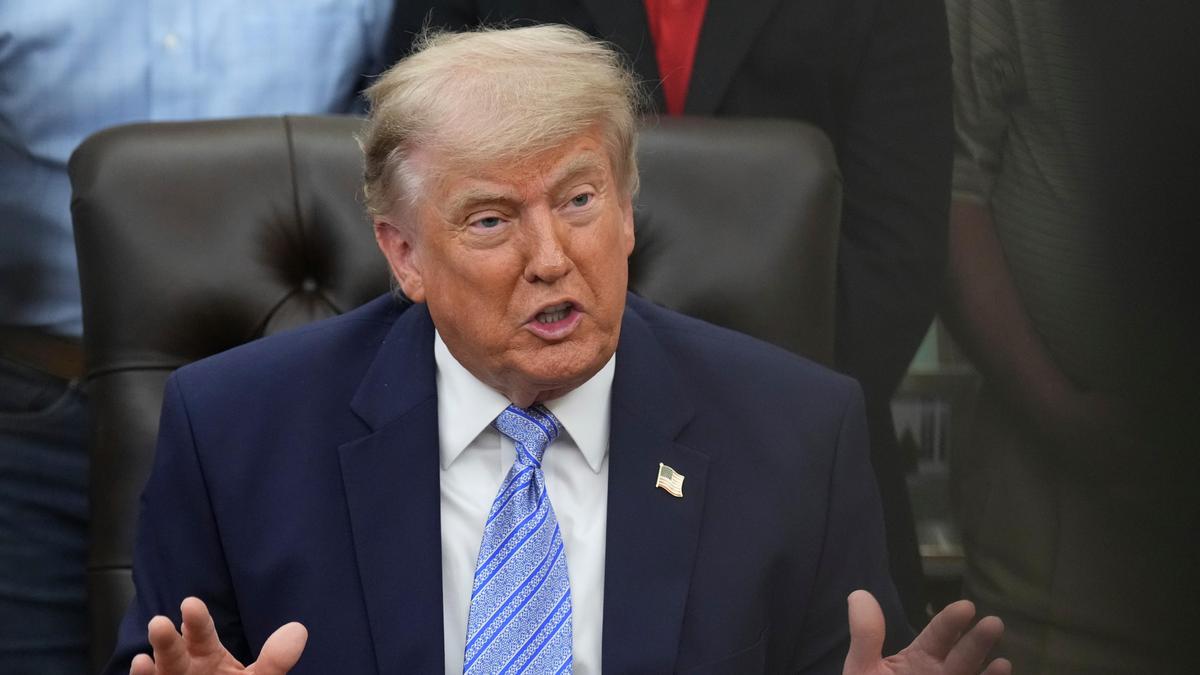
Former President Donald Trump, a pivotal voice in the Republican Party, recently declared the U.S. would not "rush into a deal" with Iran, a statement immediately intensifying diplomatic debate and drawing sharp criticism from both sides of the foreign policy spectrum. Critics argue this "strategic patience" risks emboldening Tehran to further escalate its uranium enrichment program, now reportedly nearing weapons-grade levels, potentially narrowing the window for a diplomatic resolution. This declaration comes as international efforts to rein in Iran's accelerating nuclear program appear increasingly stalled. Following the collapse of the 2015 Iran nuclear deal, the Joint Comprehensive Plan of Action (JCPOA), under Trump's previous administration, Tehran has systematically exceeded its enrichment limits, with the International Atomic Energy Agency (IAEA) warning of unprecedented advancements. Simultaneously, Iran's network of regional proxies continues to destabilize the Middle East, challenging shipping lanes and escalating tensions with allies like Israel and Saudi Arabia, who advocate for sustained maximum pressure. The path forward remains fraught. European allies, particularly the E3 nations, continue to push for renewed diplomatic channels, fearing a regional conflagration if a nuclear understanding isn't reached. However, Trump's firm stance signals a continued preference for coercive diplomacy, leaving the onus on Tehran for significant concessions, likely through crippling sanctions. Observers will be closely watching any Iranian response and further IAEA reports, which could dictate the next phase of this high-stakes nuclear standoff.