Centre bans 16 Fixed Dose combos over safety concerns - ETPharma.com
Context mode is active. Hover over any highlighted term to see its definition. Click a nested term to go deeper.
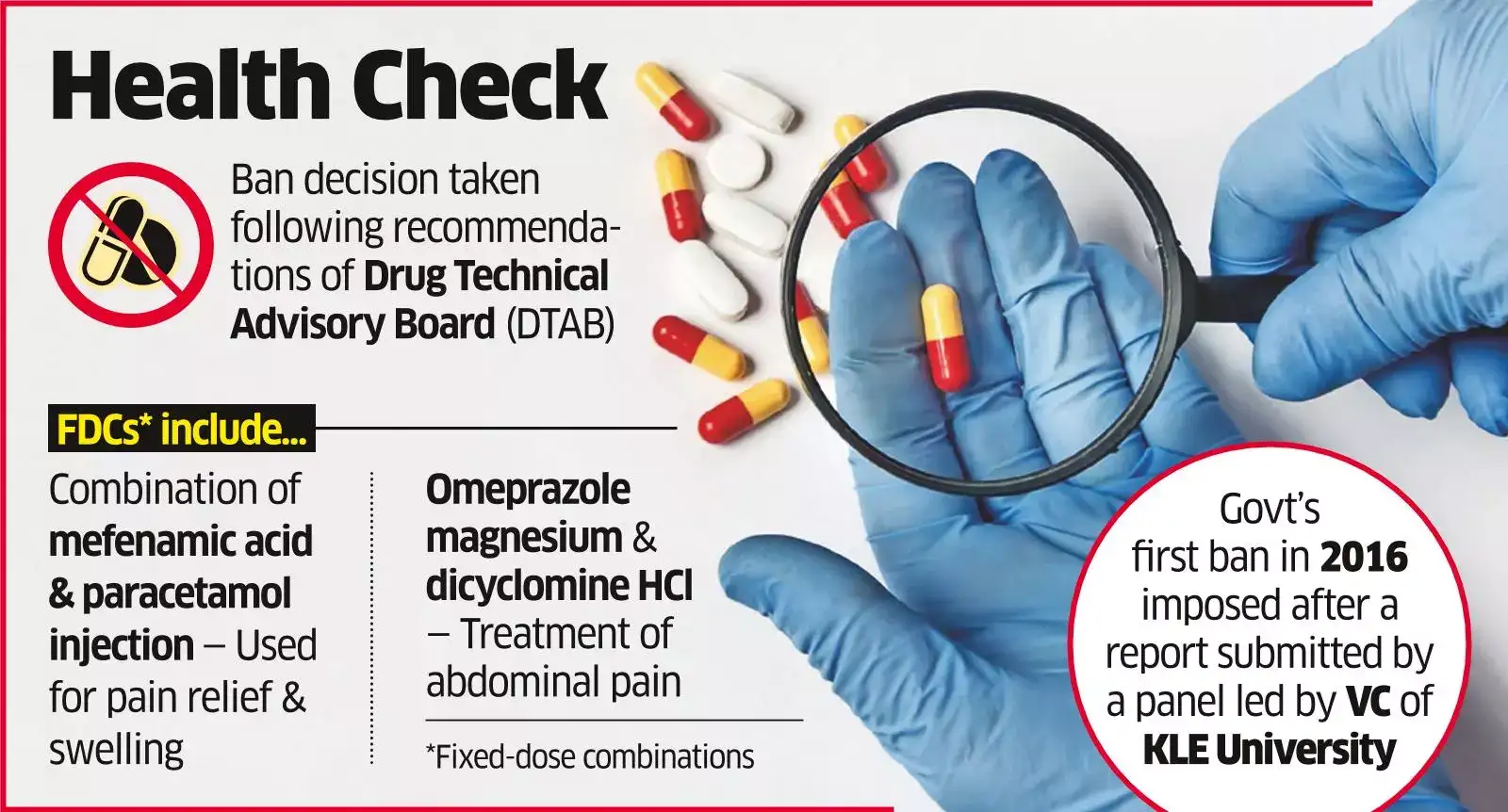
In a decisive move to bolster patient safety and champion rational medication use, India's Union Health Ministry has immediately prohibited the manufacture, sale, and distribution of 16 Fixed Dose Combination (FDC) drugs across the country. This sweeping ban, enacted under Section 26A of the Drugs and Cosmetics Act, 1940, comes after a rigorous scientific review concluded these FDCs lack 'therapeutic justification' and their continued use presents potential risks that far outweigh any perceived benefits for public health. This isn't the first time the Centre has cracked down on such 'cocktail drugs'. The decision follows a Supreme Court-mandated review and subsequent recommendations by an expert committee constituted under the Drugs Technical Advisory Board (DTAB), a statutory body responsible for technical matters concerning drugs. These banned combinations span various therapeutic categories, including certain painkillers, antibiotics, and dermatological preparations, reflecting a long-standing government effort to weed out irrational drug combinations from the market. The immediate implication means pharmaceutical companies manufacturing these specific FDCs must halt operations, leading to potential shifts in the Indian pharmaceutical landscape and supply chains. Consumers, meanwhile, are urged to consult healthcare professionals for alternative, scientifically validated treatments. This move signals an unwavering commitment to prioritizing public health over commercial interests and sets a precedent for ongoing scrutiny, with further drug evaluations and regulatory actions likely on the horizon.