Centre Opposes Tribal Voice in Great Nicobar Project's Forest Rights Battle
Context mode is active. Hover over any highlighted term to see its definition. Click a nested term to go deeper.
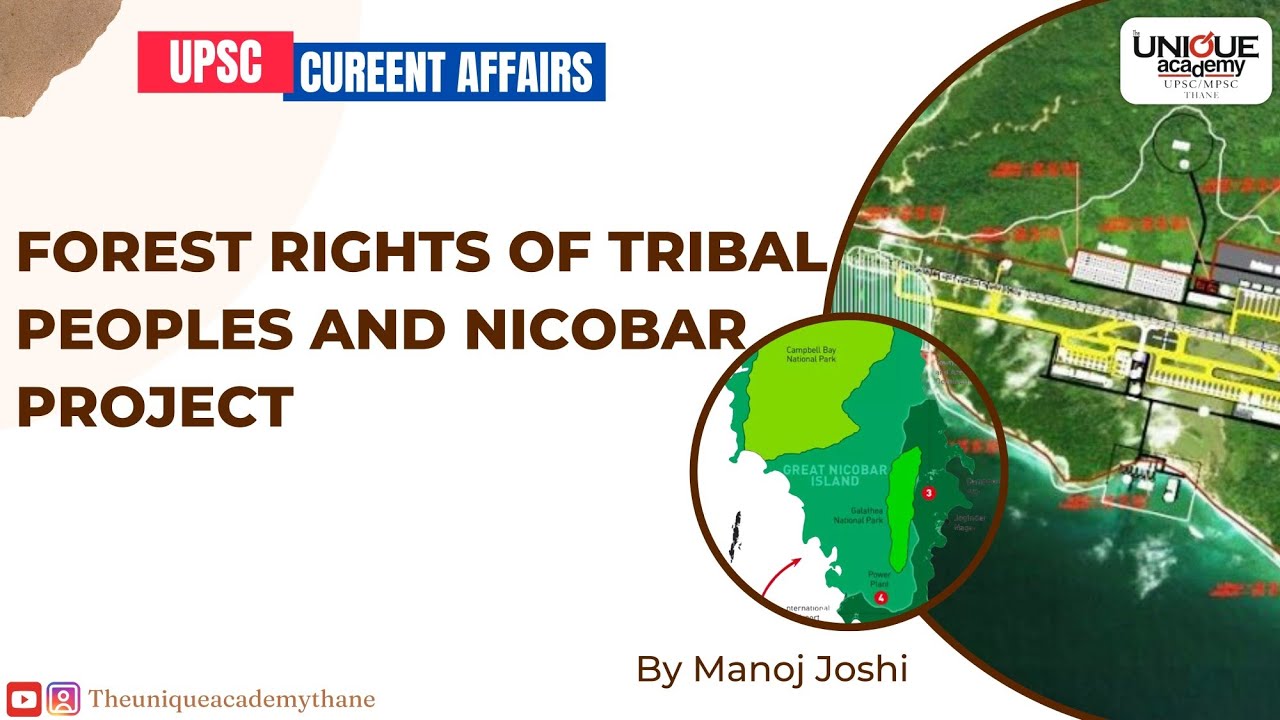
In a critical development, India's Union Tribal Affairs Ministry has told the Calcutta High Court that Nicobarese tribal leaders are 'neither necessary nor proper parties' in the ongoing case challenging forest rights recognition for the massive ₹81,000-crore Great Nicobar Project. This stance comes as four Nicobarese residents sought to join a public interest litigation, arguing that the 2022 forest rights settlement, which cleared the way for the mega-project, was based on faulty consent from non-tribal settlers. The dispute centers on whether due process under the Forest Rights Act (FRA), 2006, was followed before diverting 166 square kilometers of Great Nicobar's ecologically sensitive land for the project, which includes a transhipment port, airport, and township. The Ministry claims the tribal leaders delayed their intervention, while one leader, Barnabas Manju, reportedly withdrew his initial no-objection. This legal wrangle unfolds against the backdrop of the Supreme Court's recent refusal to stay the Calcutta High Court's proceedings, emphasizing that 'preservation of culture is a constitutionally protected fundamental right' for indigenous communities like the Nicobarese and the particularly vulnerable Shompen tribe. With the Calcutta High Court scheduled to hear the case further on November 25 and 26, 2026, all eyes are on how India's judiciary will balance national development ambitions, championed by entities like NITI Aayog, against the constitutional rights and cultural preservation of its indigenous populations. The outcome will not only determine the future of this strategic project but also set a significant precedent for tribal rights and environmental governance in the country.