Centre Suspends Cell Broadcast System After Operational Rollout; Delhi on Red Alert as Severe Weather and Hyderabad Rains Disrupt Flights
Context mode is active. Hover over any highlighted term to see its definition. Click a nested term to go deeper.
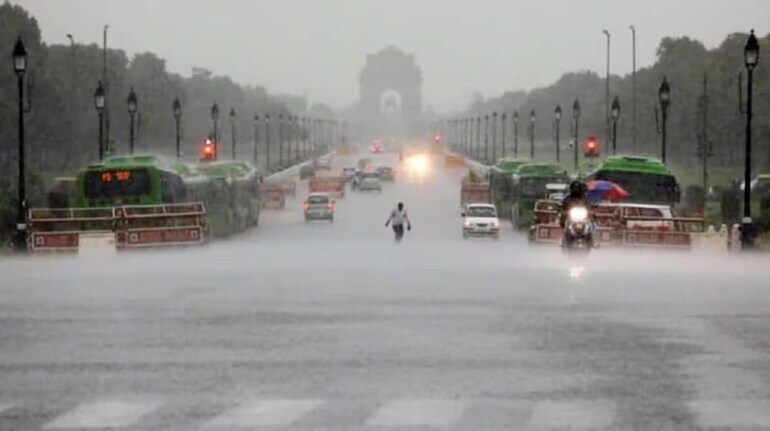
The Union Government has unexpectedly suspended its newly operational Cell Broadcast disaster alert system, effective June 12, 2026, just weeks after its nationwide launch. This abrupt halt comes amidst a 'red alert' for severe thunderstorms and intense winds up to 90 kmph in Delhi, and heavy rains that crippled Hyderabad Rajiv Gandhi International Airport, diverting flights including one carrying Telangana Chief Minister A. Revanth Reddy. The juxtaposition of a critical public warning system being put on hold during real-time weather crises raises immediate concerns about India's disaster preparedness. While official reasons for the Cell Broadcast system suspension remain unspecified, sources point to a critical incident involving a midnight disaster alert reportedly sent to the Prime Minister's contact number, causing phones to blare even when switched off. This glitch, potentially originating from Haryana and Uttar Pradesh disaster management units, has prompted a 'precautionary' technical and procedural review by the National Disaster Management Authority. The timing is particularly fraught given Delhi severe weather advisory, marked by forecasts of lightning and hail, and Hyderabad overnight deluge which not only diverted nine flights but also tragically led to two electrocution deaths amid widespread waterlogging and traffic chaos. The temporary suspension of the Cell Broadcast System leaves a significant gap in India's advanced disaster communication toolkit, potentially increasing reliance on older SMS-based alerts that are prone to network congestion during emergencies. Authorities are now scrambling to review the system's functionality and operational protocols, promising updates on its restoration. Meanwhile, cities like Delhi and Hyderabad must grapple with the immediate aftermath and ongoing forecasts of extreme weather, highlighting the urgent need for robust, reliable public alert mechanisms as India increasingly confronts the impacts of a volatile climate. The incident also puts a spotlight on the coordination challenges between central and state disaster management agencies.