Chandigarh skyline set for change as Master Plan revamp proposes high-rises in Manimajra, Phase-III
Context mode is active. Hover over any highlighted term to see its definition. Click a nested term to go deeper.
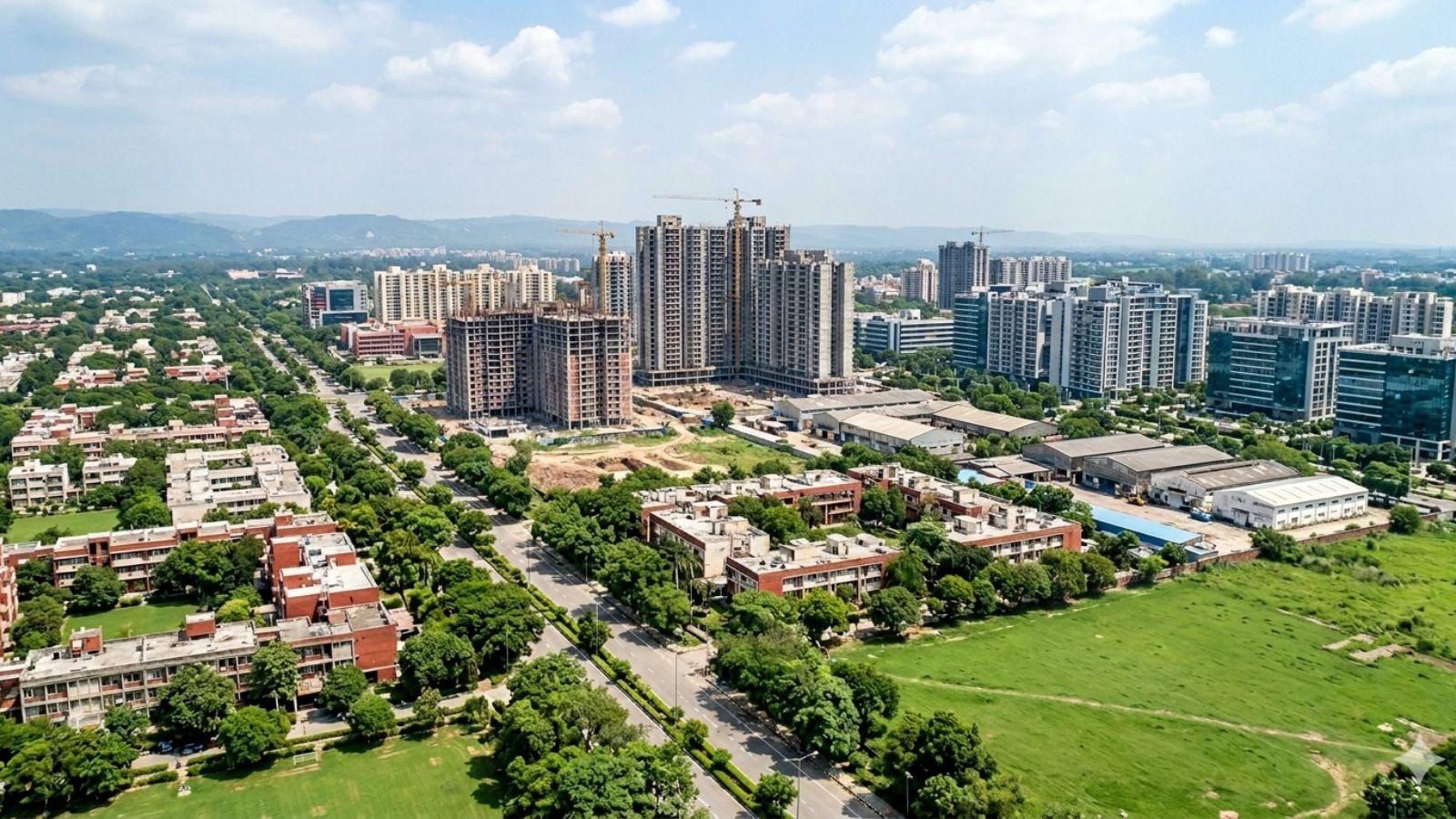
The Chandigarh Administration is proposing significant amendments to the extant Chandigarh Master Plan 2031, marking a departure from its original low-density urban planning ethos. Key proposals include the introduction of high-rise housing in designated areas such as Manimajra, Phase-III, and other peripheral sectors, coupled with a substantial increase in Floor Area Ratio (FAR) norms. Additionally, the draft amendments advocate for widespread mixed land use development and a relaxation of existing building regulations. These changes are primarily aimed at optimizing land utilization within the Union Territory and accommodating the burgeoning population growth while addressing the persistent demand for diverse housing options. This strategic pivot in Chandigarh's urban development policy reflects broader macroeconomic trends in India, where rapid urbanization and demographic shifts necessitate innovative solutions for sustainable expansion. The liberalization of FAR and integration of mixed land use are crucial levers for boosting urban density and fostering dynamic cityscapes, potentially driving substantial investment into the real estate market and ancillary industries. While promising enhanced housing supply and economic vibrancy, these reforms also present challenges related to infrastructure strain, environmental impact, and the preservation of Chandigarh's iconic architectural heritage. The successful implementation will hinge on meticulously planned infrastructure upgrades and a balanced approach to development that aligns with Smart City Initiatives while mitigating the risks of unchecked urban sprawl.