China Delivers 'Ultimatum' to Russia on Nuclear Use in Ukraine, Shifting Global Stance
Context mode is active. Hover over any highlighted term to see its definition. Click a nested term to go deeper.
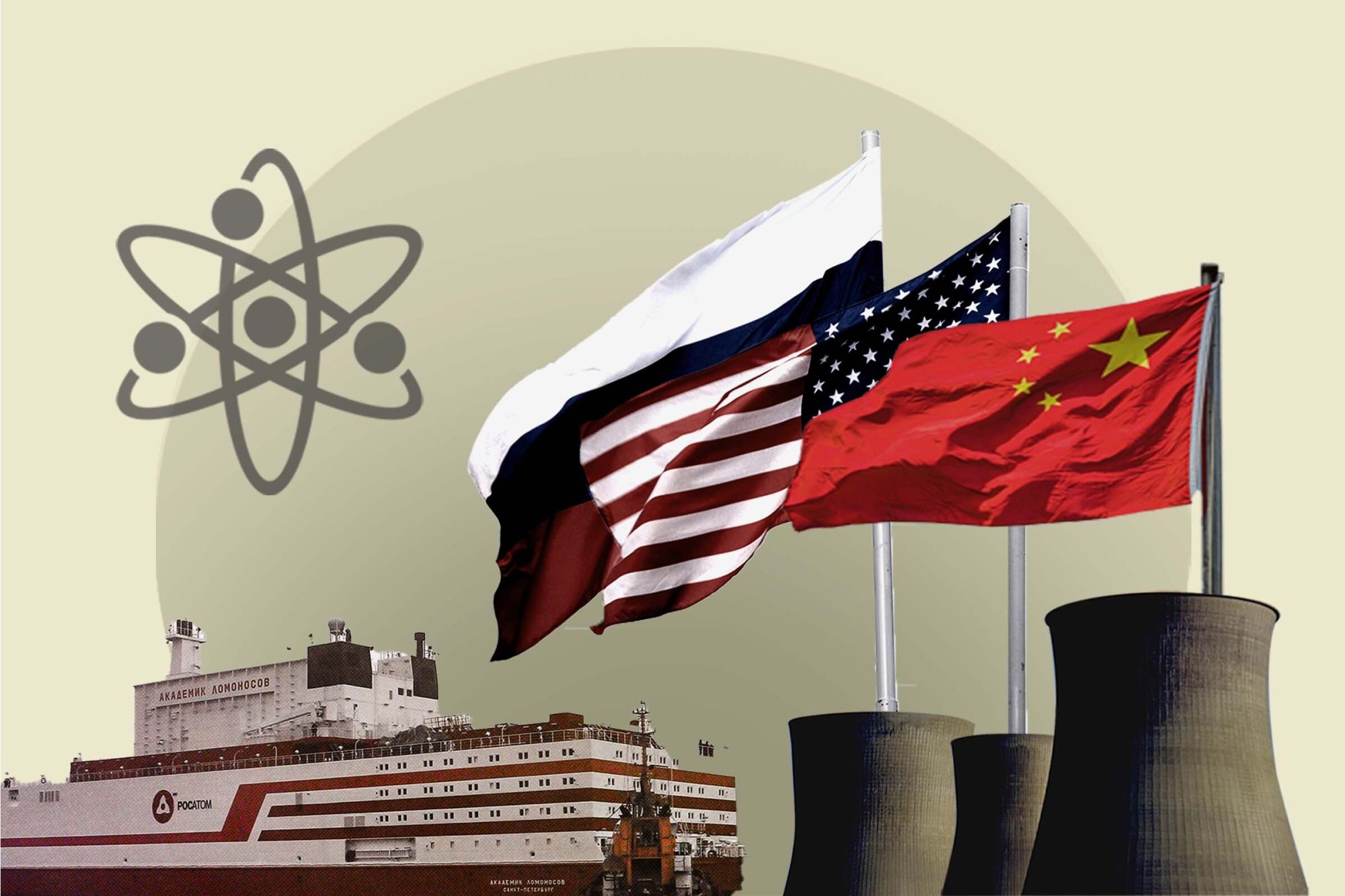
In a significant turn for the ongoing Ukraine conflict, China has reportedly issued an 'ultimatum-like' warning to Russia against using nuclear weapons. Ukrainian President Volodymyr Zelenskyy disclosed this firm message, stating that European leaders relayed Beijing's stark position during the recent NATO summit in Ankara, emphasizing that any discussion of atomic attacks is off-limits. This warning comes as Russia nuclear threats have intensified throughout 2026, making China intervention a critical point, especially given Moscow's growing reliance on Beijing for military support. The stakes couldn't be higher. Russia has increasingly relied on China to sustain its military production amidst Western sanctions, with Chinese electronics, semiconductors, and machinery proving vital for Moscow's war efforts. This leverage underscores the potency of China warning, which reiterates its long-standing opposition to nuclear proliferation. Meanwhile, the war in Ukraine continues, with Ukrainian forces claiming to have slowed Russian advances in the first half of 2026 and intensifying drone strikes on Russian energy infrastructure. The NATO summit itself pledged 70 billion Euros in military aid to Ukraine for both 2026 and 2027, highlighting sustained international support. Moving forward, all eyes will be on how Russia responds to this unequivocal message from its key ally. While China 'no-first-use' nuclear policy is well-known, this direct, firm warning to Russia could reshape the conflict's trajectory and global perceptions of the Sino-Russian partnership. It puts pressure on Moscow to de-escalate its nuclear rhetoric, but also highlights China delicate balancing act as it seeks to maintain its strategic alignment with Russia while preserving its image as a responsible global power and opposing nuclear conflict. This event may force a re-evaluation of the limits of their 'partnership without limits'.