China's AI Ambitions Face Crossroads: Export Surge Meets Tightening Tech Controls
Context mode is active. Hover over any highlighted term to see its definition. Click a nested term to go deeper.
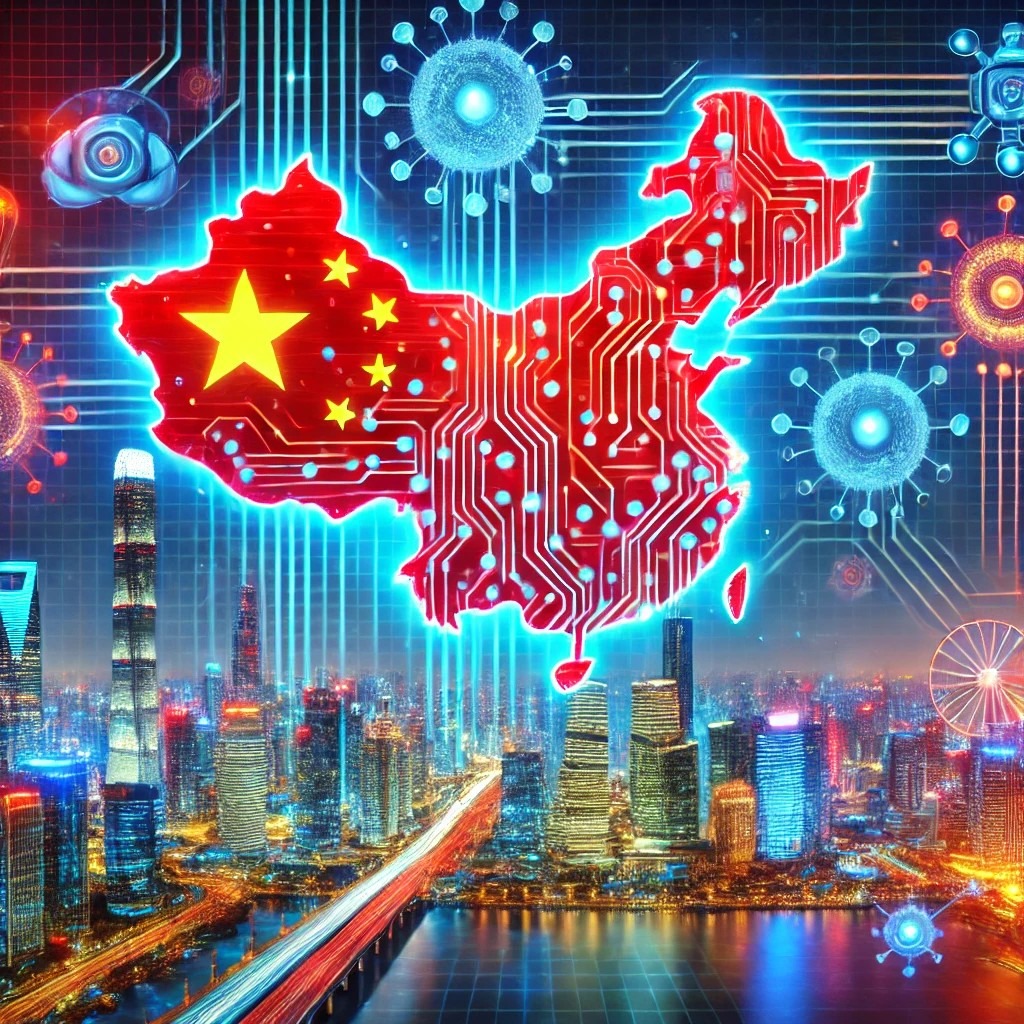
China is currently pushing its AI services globally through a 'Digital Silk Road' strategy, aggressively exporting advanced AI solutions built on efficient models and robust infrastructure, with services often billed in 'tokens'. However, in a significant shift, Beijing is now reportedly weighing strict new export controls on its most advanced AI models, training data, and chip designs, creating a tension between its global expansion and national security goals. This move could reshape the global AI landscape, limiting access to some of the fastest-growing Chinese AI technologies. This outbound push has seen Chinese models, often offered at a fraction of Western costs due to integrated supply chains and cheaper electricity, dominate global 'token' consumption on platforms like OpenRouter, accounting for roughly 61% of usage in mid-2026. Companies like Alibaba and Tencent are establishing 'Token Hubs' to facilitate this 'digital electricity' export, aiming to make intelligence cheap and widely accessible. But the proposed export controls, currently under consultation with tech giants like Alibaba, ByteDance, and Zhipu AI, suggest China is now prioritizing keeping its frontier AI capabilities domestic, mirroring the US strategy of restricting advanced semiconductor exports. The ultimate decision on these potential restrictions will significantly impact the global AI ecosystem, particularly for developers and businesses that have come to rely on accessible Chinese open-weight models and cost-effective services. While discussions on collaborative innovation and global AI governance continue at events like the World Internet Conference Digital Silk Road Development Forum and the World Artificial Intelligence Conference, the prospect of a bifurcated AI world – one where Chinese AI is both widely diffused and strategically controlled – looms large. Global users should watch closely for official announcements from China Ministry of Commerce that will clarify the scope and impact of these impending regulations.