China's Gaokao Reforms Fuel Pseudo-History Fears Amid Beijing's Narrative Clampdown
Context mode is active. Hover over any highlighted term to see its definition. Click a nested term to go deeper.
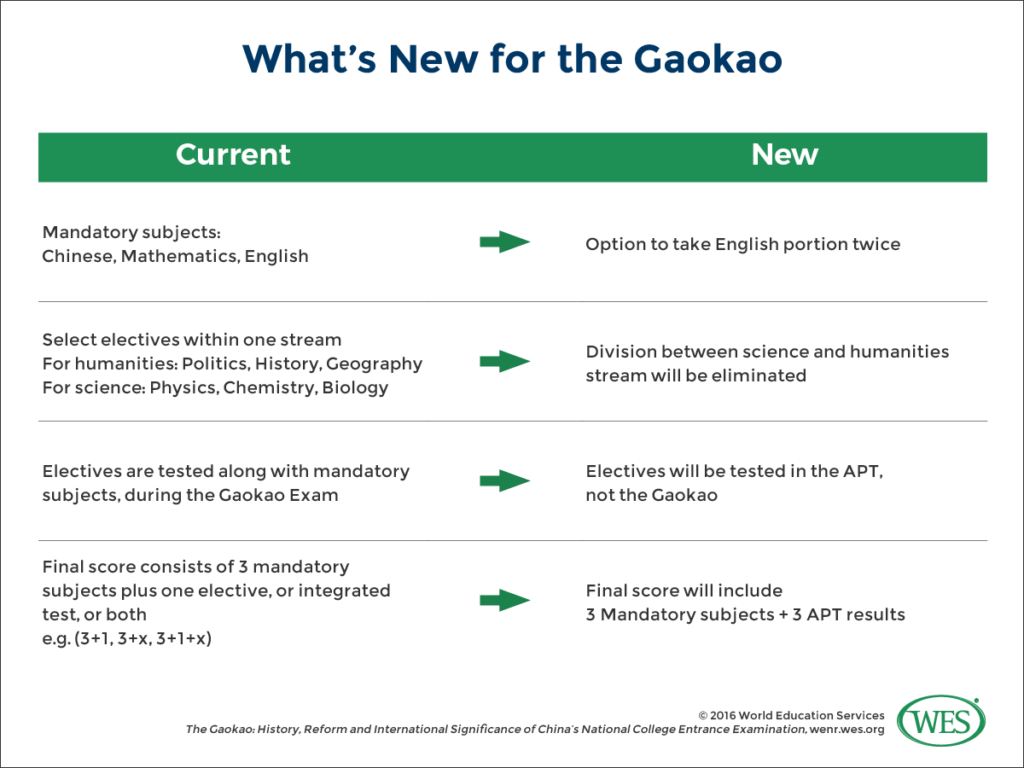
A leading academic is ringing alarm bells over China ongoing Gaokao reforms, warning that a downplaying of history in the national college entrance exam could leave the public highly vulnerable to 'pseudo-history' and distorted narratives. Liu Linhai, Dean of the School of History at Beijing Normal University, voiced urgent concerns as the state tightens its grip on historical interpretations, aggressively pushing back against 'historical nihilism' and outright fabrications online. The alarm comes amidst a significant shift in the Gaokao, which has seen history weight in the exam reduced and made optional in many provinces, leading to a sharp 27% decline in history exam takers over the last three years. While officials frame these changes as efforts to ease student workload and align education with national development goals – prioritizing science and technology – critics argue it fundamentally erodes critical thinking and the ability to discern fact from fiction. This structural weakening of historical literacy, say experts like Peking University's Professor Li Wei, creates fertile ground for state-backed narratives, or even absurd claims like Ancient Greece never existing, to take root unchallenged. As Beijing continues to launch 'Patriotic History' modules and intensify online censorship against dissenting historical views, the stakes are high. The trajectory suggests an increasingly centralized and ideologically driven education system, raising questions about a generation's ability to critically engage with their past, both within China and as they move into global academic and professional spheres. Observers will be watching how this balance between national development goals and historical integrity plays out under China ambitious 15th Five-Year Plan.