China's Homegrown Chip Tool Rocks Global Tech Giants, Sparking Market Jitters
Context mode is active. Hover over any highlighted term to see its definition. Click a nested term to go deeper.
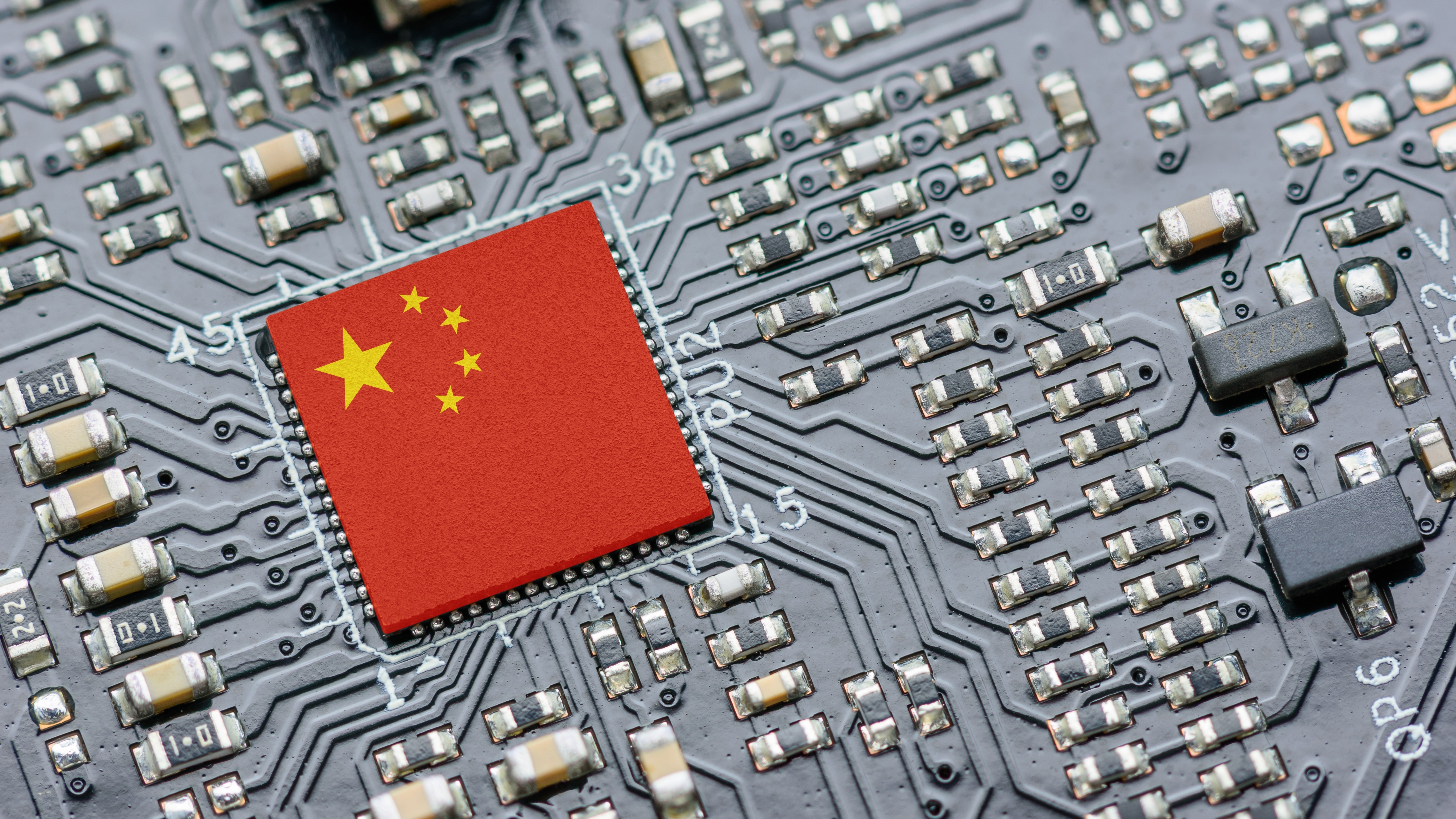
China has officially begun mass producing its own Deep Ultraviolet (DUV) lithography machines, a crucial step in making computer chips, sending shockwaves through global technology markets. The state-backed Shanghai Aishengna Electronic Technology Group is leading this effort, with the first machines expected to be delivered to major Chinese chipmakers like SMIC, Hua Hong Semiconductor, and ChangXin Memory Technologies (CXMT) this year. This breakthrough marks a significant move by Beijing to become self-reliant in chip production, directly challenging the dominance of companies like ASML. The news immediately triggered a sell-off in major semiconductor stocks worldwide. Shares of Dutch giant ASML, which largely controlled the DUV market, fell sharply, with its stock dropping by over 8% on Monday. US chipmakers Micron Technology, Advanced Micro Devices (AMD), and Nvidia also saw their stock prices tumble by 2% to 8%, as investors worried about increased competition and the potential for China to close the technology gap faster than expected. This development comes as the US Congress is pushing for stricter export controls, including the proposed MATCH Act, which aims to ban the sale and servicing of DUV immersion lithography machines to Chinese companies, potentially accelerating China's domestic efforts even further. Looking ahead, China plans to produce around five DUV machines this year, increasing to about 20 in 2027. While these homegrown machines currently lag behind ASML in terms of precision and production quality, their emergence could significantly alter the global semiconductor supply chain and trade policies. The focus now shifts to how quickly China can improve these tools and how Western governments will react to Beijing's accelerating self-sufficiency drive. This move might also reshape the AI chip market as China seeks to power its own artificial intelligence ambitions with domestically produced hardware.