China's Housing Slump Deepens: Economy Under Pressure as Prices Fall Again
Context mode is active. Hover over any highlighted term to see its definition. Click a nested term to go deeper.
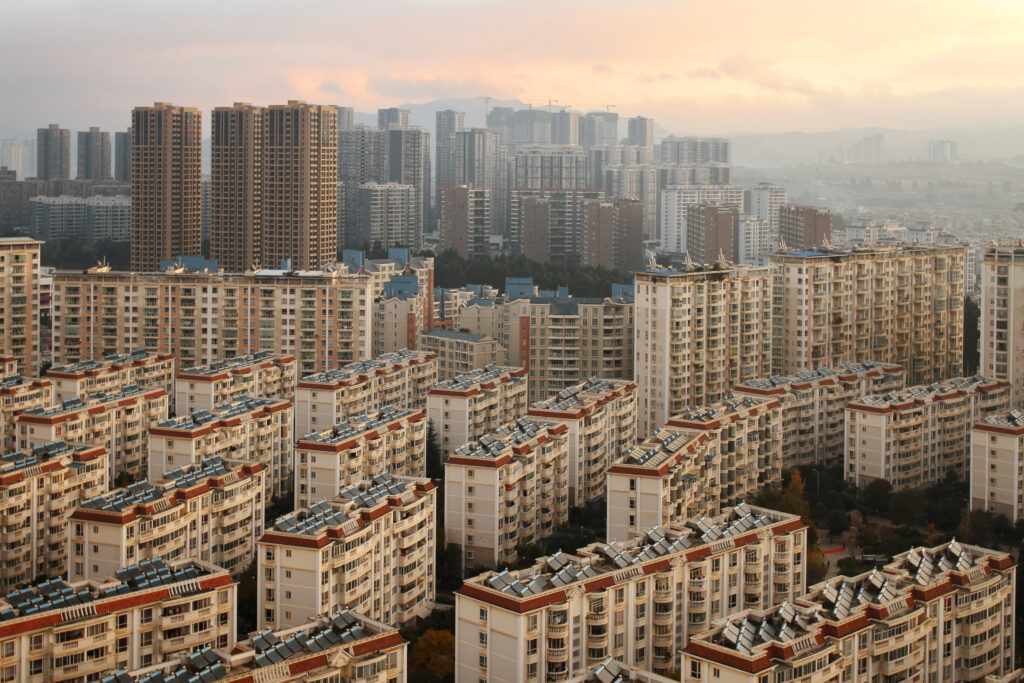
China's housing market continues its prolonged downturn, with new home prices falling for the third consecutive month in August 2026, marking another significant drag on the broader Chinese economy. Data released by the National Bureau of Statistics (NBS) today shows new home prices dipped 0.1% month-on-month, matching declines seen in June and July. While the annual decline narrowed slightly to 3.0% from 3.2% in July, it's the 38th straight month of annual price drops, indicating deep-seated issues that are hindering domestic demand and growth. This persistent weakness is hitting consumer confidence hard, as property represents a huge chunk of household wealth for many Chinese citizens. Major property developers like Evergrande and Country Garden have been grappling with massive debt, with Evergrande founder recently sentenced to life in prison, and Country Garden undergoing a significant offshore debt restructuring. The crisis also strains local government income, which traditionally relied heavily on land sales. Beijing has rolled out measures like extending mortgage loan terms to 40 years and pushing developers away from the risky presale model towards selling completed homes. However, analysts remain skeptical these structural changes will spark a quick turnaround in demand. Looking ahead, China's economic growth slowed to 4.3% in the second quarter, and major financial institutions like Goldman Sachs have cut 2026 GDP forecasts, underscoring the urgency for more decisive action. Policymakers, including the People's Bank of China (PBOC), are under immense pressure to deploy stronger economic stimulus, potentially including further cuts to the Reserve Requirement Ratio (RRR) and policy interest rates. The uneven market performance, with some Tier-one cities showing slight stabilisation while smaller cities struggle, means a broad recovery remains distant, making continued reliance on external demand a necessity.