China's Rocket Breakthrough: Net-Catch System Lands Booster, Igniting New Space Race
Context mode is active. Hover over any highlighted term to see its definition. Click a nested term to go deeper.
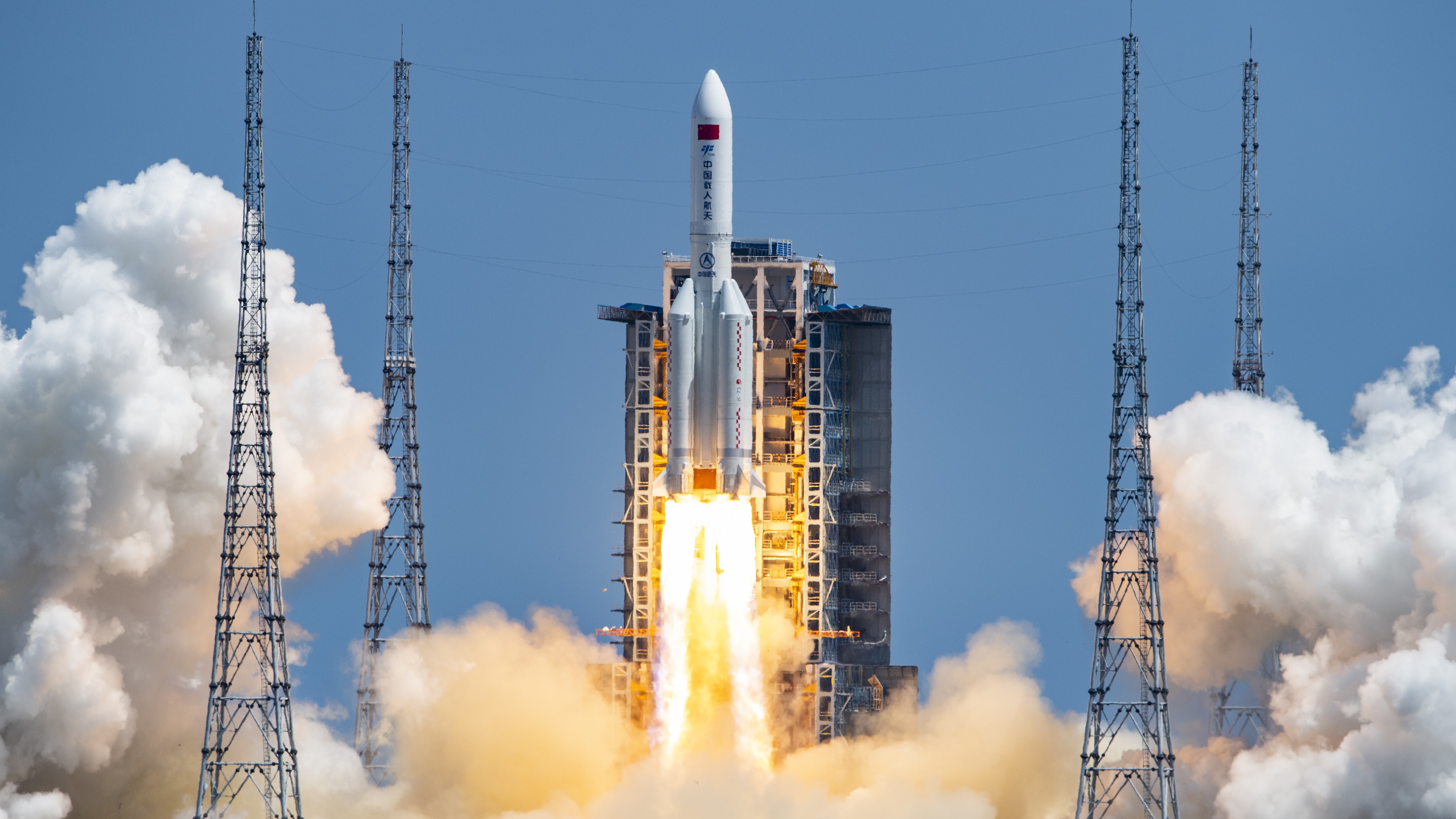
China has just made a big leap in space travel, successfully launching its Long March-10B rocket and, for the first time ever, bringing its 'first stage' back to Earth in a controlled way. On Friday, July 10, 2026, the rocket blasted off from the Hainan commercial spacecraft launch site and then carefully landed its biggest part on a special ship using a unique net-capture system. This achievement makes China only the second country, after the US, to master such complex 'reusable rocket technology' for orbital launches, which is a game-changer for space exploration. This breakthrough intensifies the global space race, directly challenging companies like Elon Musk's SpaceX, which has been landing its rockets vertically with legs for years. While SpaceX uses landing legs, China's new net-capture method offers a different way to safely bring rocket parts back, potentially making launches cheaper and faster. This success comes after some other Chinese rocket attempts failed last year, highlighting how difficult this technology is to get right. China's move is part of its bigger plan to become a leading 'space power,' using reusable rockets to build large satellite network like 'Guowang' and even send people to the Moon. Looking ahead, China plans to reuse this very Long March-10B booster for another launch by the end of this year, which shows their confidence in this new system. This success is crucial for China's ambitious 'lunar missions' and for setting up its own internet satellite network, which would compete with other global projects. As more countries and companies rush to develop reusable rockets, we're likely to see even more competition and amazing new developments in space exploration very soon.