Chip Shock: AMD Prices Set to Jump 10% as TSMC Costs Surge, Ryzen CPUs on Alert
Context mode is active. Hover over any highlighted term to see its definition. Click a nested term to go deeper.
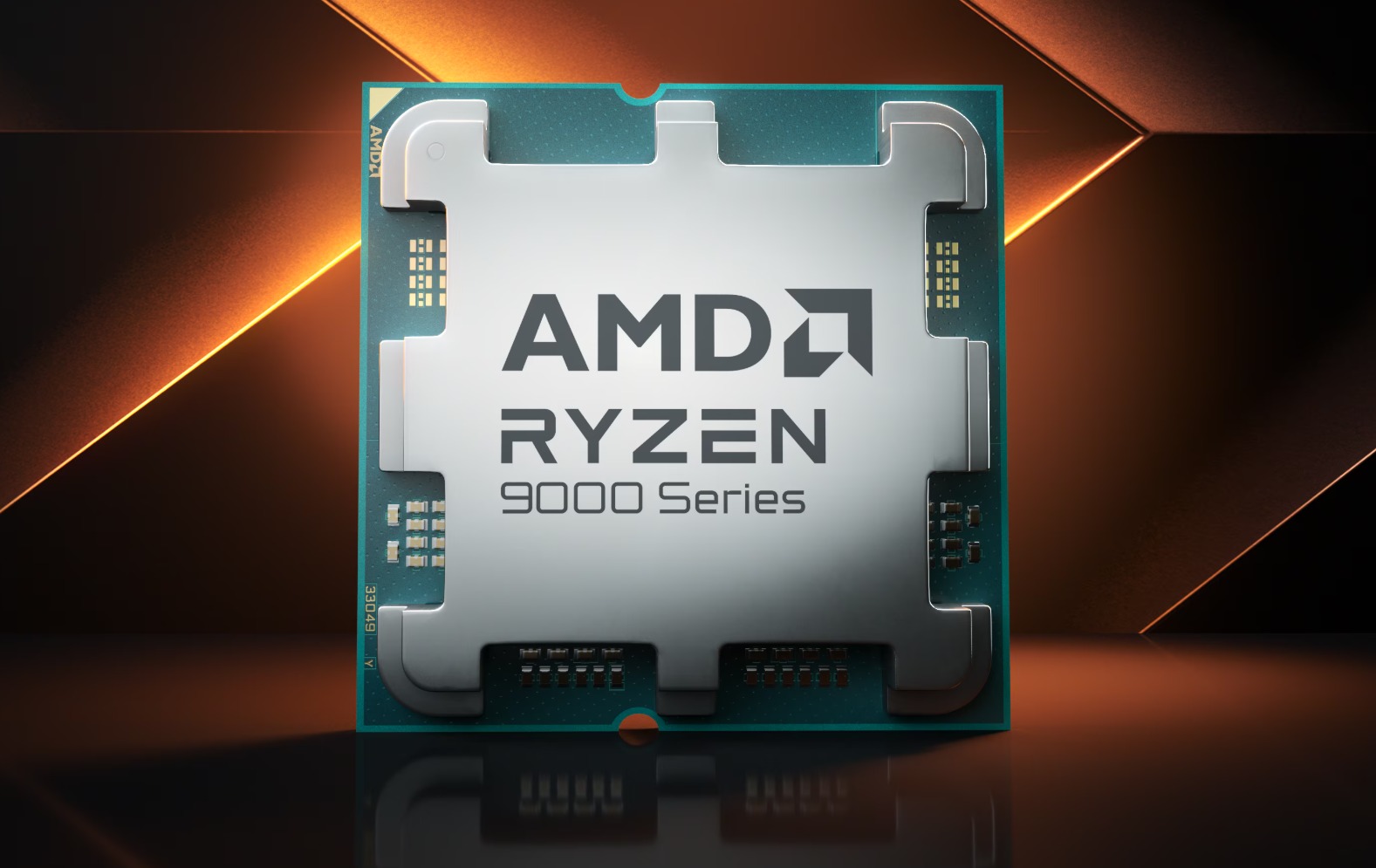
Get ready for potentially pricier computer parts: AMD is reportedly telling its partners to expect a roughly 10% price hike across some of its chips starting in the fourth quarter of 2026. This move comes as its primary manufacturing partner, TSMC, raises the cost of silicon wafers, impacting various components like AI accelerators, consumer graphics cards, and motherboard chipsets. While an official confirmation for Ryzen CPUs isn't out yet, the tight relationship between AMD and TSMC means these popular processors could soon see higher price tags too. The broader semiconductor industry is currently booming, especially thanks to the massive demand for AI-related hardware, which has fueled record growth and revenue projections well into 2026. This high demand, coupled with rising expenses for materials, manufacturing equipment, and setting up new factories globally, is forcing chipmakers like TSMC to increase their prices. AMD, operating as a 'fabless company' that designs chips but outsources manufacturing, often has to pass these increased production costs down the line to maintain its profit margins. Interestingly, AMD competitor, Intel, has already made similar price adjustments for its client processors recently, which might create a 'price umbrella' allowing AMD to follow suit more easily. So, what does this mean for you? Consumers building new PCs or looking to upgrade could face higher costs for a range of components in the coming months. The reported 10% increase from AMD, combined with Intel earlier price adjustments, suggests a market-wide trend where CPU, GPU, and other crucial parts become more expensive. It's a clear signal that the underlying costs of advanced chip manufacturing are rising, and that directly impacts the final price you pay, making it essential for buyers to watch for further announcements as Q4 2026 approaches.