Chris Mason: Reeves' summer savings drive won't stretch to energy bills
Context mode is active. Hover over any highlighted term to see its definition. Click a nested term to go deeper.
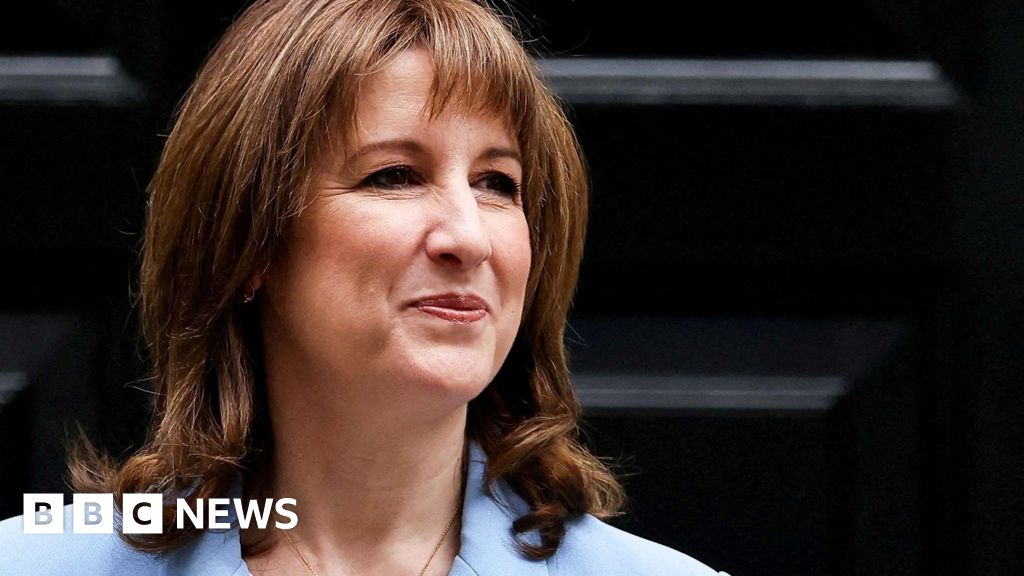
Shadow Chancellor Rachel Reeves recently unveiled Labour's "summer savings drive," a fiscal blueprint aimed at alleviating the UK protracted Cost of Living Crisis by identifying and eliminating wasteful government spending. This initiative, designed to fund key public services and stabilize public finances without broad-based tax hikes, specifically targets areas like Procurement Reform and efficiency gains across departments. However, a critical analysis, highlighted by commentators like Chris Mason, points out a significant gap: these proposed measures explicitly will not "stretch to Energy Bills," leaving a gaping hole in direct household relief from persistently high energy costs. This comes as the current Conservative Government, led by Chancellor Jeremy Hunt, continues to navigate its own fiscal strategy amidst ongoing economic headwinds. The focus on Energy Bills remains a political flashpoint, underscoring the divergent Fiscal Policy philosophies between the Labour opposition and the incumbent Conservative Government ahead of an anticipated general election. While global Wholesale Energy Prices have moderated from their post-Ukraine war peak, UK households continue to grapple with elevated retail tariffs, influenced by a complex interplay of Energy Market Dynamics, distribution costs, and the phasing out of government energy support schemes. Reeves' Summer Savings Drive emphasizes structural fiscal responsibility and long-term economic stability over immediate, broad-based consumer subsidies for energy, contrasting with past government interventions. This highlights a nuanced debate: whether effectively addressing the Cost of Living Crisis requires direct, targeted relief for utility bills or a broader approach to public finance management and tackling core Inflation (UK) drivers.