CIA Doubted Israeli Intel on Iranian Threat, Prompting Trump's Secret Plane Swap
Context mode is active. Hover over any highlighted term to see its definition. Click a nested term to go deeper.
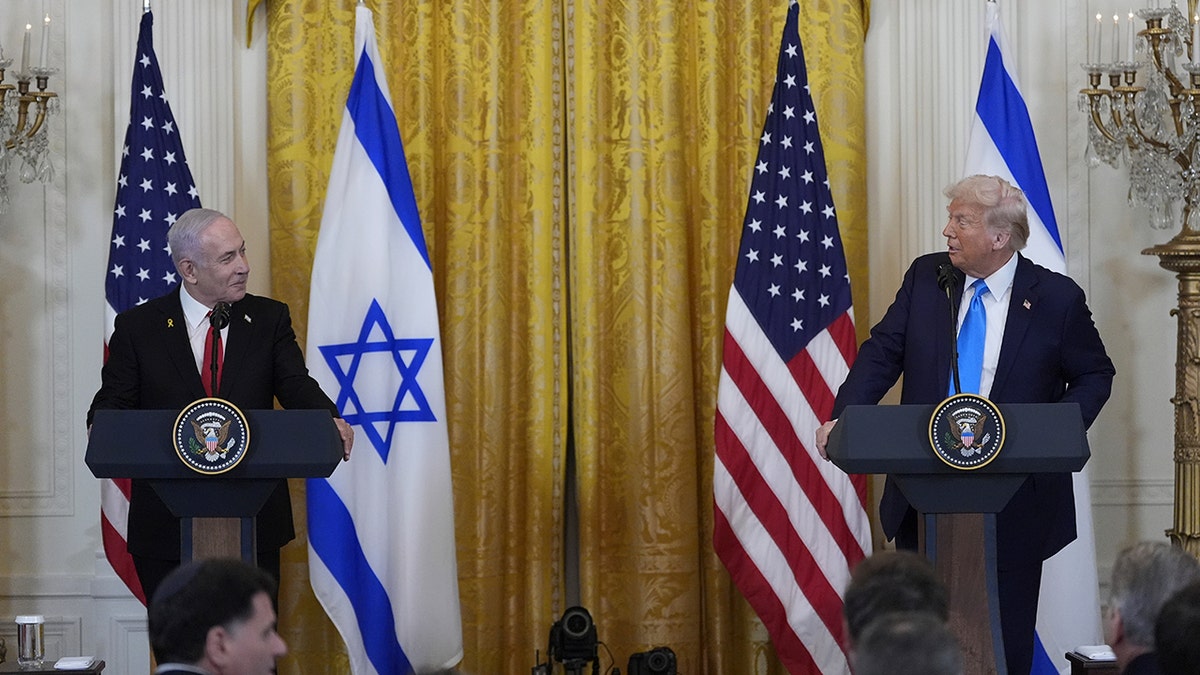
A bombshell report from The Washington Post reveals the Central Intelligence Agency (CIA) had 'low confidence' in Israeli intelligence warning of an Iranian plot to assassinate Donald Trump, which still prompted the former US President to secretly swap planes in Turkey just last month. The extraordinary security measure saw Trump covertly transferred from a primary Air Force One to a smaller C-32A military plane via a catering truck after a NATO summit in Ankara, Turkey. This deep distrust within the US intelligence community regarding a critical threat assessment from a close ally raises serious questions about the reliability of intelligence sharing and the complex dynamics of regional security. The incident, occurring in July 2026, casts a shadow over the already strained US-Israel defense ties and US-Iran relations, which have recently seen heightened tensions and even conflict. US officials familiar with the intelligence suggested that Israel's motivation might have been as much about influencing Trump's policy decisions as genuinely protecting him, fitting into a broader pattern of such intelligence reporting during his tenure. This revelation underscores the intricate web of geopolitical maneuvering and the constant balancing act between allies, especially amidst ongoing discussions about deepened US-Israel military integration and Iran persistent nuclear program concerns. Moving forward, this report will undoubtedly fuel further scrutiny into intelligence assessments shared between allies, particularly concerning sensitive regions like the Middle East. Observers will be watching for any official responses from the CIA or Israeli Intelligence, as well as potential impacts on upcoming US-Israel defense talks and the broader strategy towards Iran. The episode highlights how high-stakes intelligence, even when doubted internally, can still profoundly shape presidential actions and international relations, demanding clarity and accountability from all parties involved.