Colorado Jail's Two-Decade In-Person Visit Ban Sparks Legal Battle, Research Backs Families
Context mode is active. Hover over any highlighted term to see its definition. Click a nested term to go deeper.
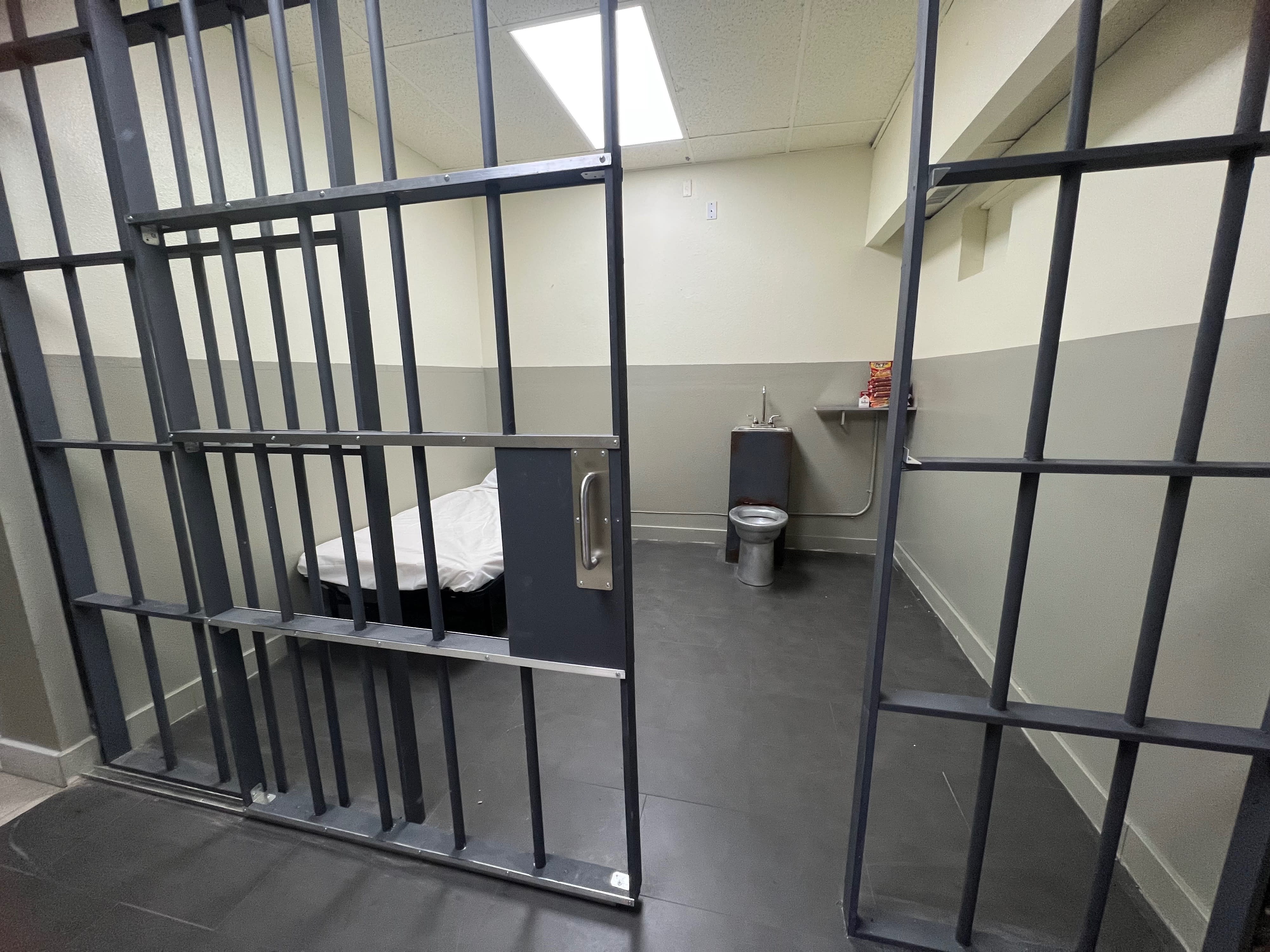
In a striking challenge to modern correctional practices, Adams County Jail in Colorado has been hit with a civil rights lawsuit for maintaining a nearly two-decade ban on in-person visits, forcing inmates and their families to rely solely on video calls. This legal action comes as academic research consistently highlights the critical role of face-to-face interaction in inmate rehabilitation and family well-being, directly contradicting the jail's long-standing policy. The lawsuit, filed by a group of families including young children, argues that this ban violates their fundamental right to maintain family associations. The move by Adams County Jail reflects a wider, contentious trend across US county jails where private telecom companies like Securus Technologies and Viapath have pushed for profitable video visitation systems, often at the expense of traditional contact visits. These video calls, frequently criticized for their high cost and poor quality, undermine familial bonds, which research from institutions like the Urban Institute and experts like Melinda Tasca show can reduce recidivism by as much as 26% and significantly lower inmate misconduct. Despite a Colorado bill passed in May 2025 affirming that video visits should supplement, not replace, in-person interactions, many facilities, especially along Colorado Front Range, continue to limit contact. As the civil rights lawsuit proceeds, all eyes will be on how courts interpret family association rights under the Colorado Constitution in the digital age of incarceration. The outcome could set a precedent for other jails grappling with similar visitation policies, potentially forcing a re-evaluation of the balance between facility security, revenue generation, and the proven benefits of human connection for those behind bars and their loved ones. This legal battle is more than just about a jail's rules; it's about defining the future of human contact within the justice system.