Congo's Ebola Crisis Deepens: Over 930 Deaths, Outpacing Response Amid Conflict
Context mode is active. Hover over any highlighted term to see its definition. Click a nested term to go deeper.
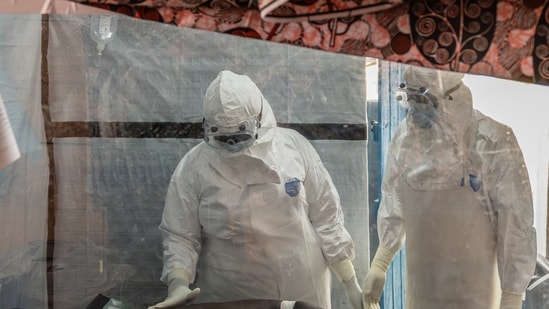
The Ebola outbreak in the Democratic Republic of Congo (DRC) has claimed at least 930 lives out of 2,344 confirmed cases as of July 19, 2026, making it the fastest-spreading and third-largest in history. This particular outbreak is driven by the Bundibugyo virus, a less common strain for which no approved vaccines or specific treatments currently exist, significantly complicating global containment efforts. The World Health Organization (WHO) has warned that the crisis is outpacing the humanitarian response, with over 80% of new infections linked to unknown transmission chains. The critical challenge lies in Eastern DRC's relentless armed conflict and humanitarian crisis, which are actively hindering response teams. Attacks by various armed groups on health facilities and personnel, including a recent incident near an Ebola Treatment Center in Nyankunde, force medical evacuations and sow deep community distrust, making vital public health measures like contact tracing and safe burials incredibly difficult. This instability creates a dangerous environment where the virus can spread undetected, further exacerbated by mass displacement and a degraded healthcare system. Despite these formidable obstacles, international bodies are pressing forward with new strategies: clinical trials for the antiviral drug obeldesivir (part of the EBO-PEP trial) and a Bundibugyo-specific vaccine candidate have recently begun in the DRC and Uganda, offering a glimmer of hope. However, significant funding gaps, highlighted by UNICEF's urgent appeals, continue to threaten the scale and effectiveness of the response. The situation demands sustained global attention and coordinated action to prevent further regional and international spread, as imported cases have already reached Europe.