Copper Rush: ASX Juniors Brave South America's Toughest Terrain for Giant Deposits
Context mode is active. Hover over any highlighted term to see its definition. Click a nested term to go deeper.
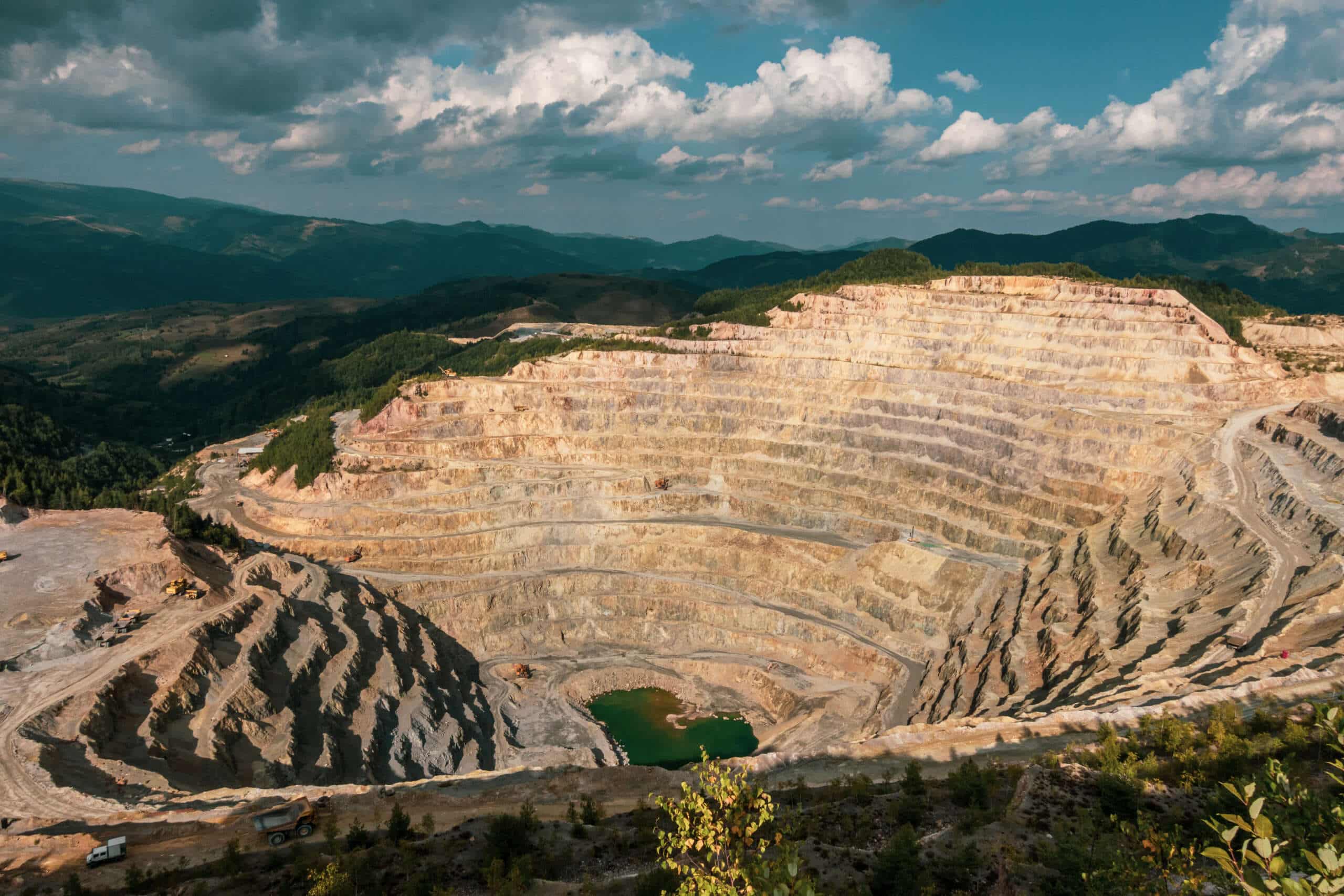
Australian junior mining companies are making a bold pivot to South America, pouring capital into a high-stakes hunt for massive copper-gold deposits as global copper prices continue their upward climb. This shift is happening despite significant operational hurdles like severe water scarcity, spiking sulfuric acid costs, and persistent infrastructure challenges across the continent, signaling a desperate scramble to meet the soaring demand for the critical metal. Companies like Piche Resources are actively raising funds for exploration in Argentina, while Super Copper Corp. has mobilized for drilling in Chile's Atacama region, aiming to tap into one of the world's richest copper belts. The move comes as copper prices have surged to record highs in early 2026, currently trading around $6.33 USD/Lbs, driven by an accelerating global push towards electrification and a looming supply deficit. South America, home to mining behemoths like BHP and Freeport-McMoRan, is increasingly seen as the last frontier for large-scale discoveries, with recent finds like the Filo del Sol deposit containing an estimated 13 million tons of copper. However, the region presents unique obstacles; Chile's prolonged drought makes water management a critical and costly issue, and restricted exports from industrial powerhouses have sent sulfuric acid prices skyrocketing, threatening traditional heap leach operations. As these junior explorers push deeper into the Andean belt, the coming months will reveal if their ambitious ventures can overcome the substantial environmental and logistical barriers. With majors already consolidating their presence and new discoveries like Lundin Gold's porphyry systems emerging, the pressure is on to convert exploration potential into stable production. The success or failure of these projects will not only dictate the future of these smaller companies but also play a critical role in shaping the global copper supply, which faces a projected structural deficit of up to 19.9 million tonnes by 2050, crucial for the energy transition.