Cracks in European unity emerge over Ukraine and security
Context mode is active. Hover over any highlighted term to see its definition. Click a nested term to go deeper.
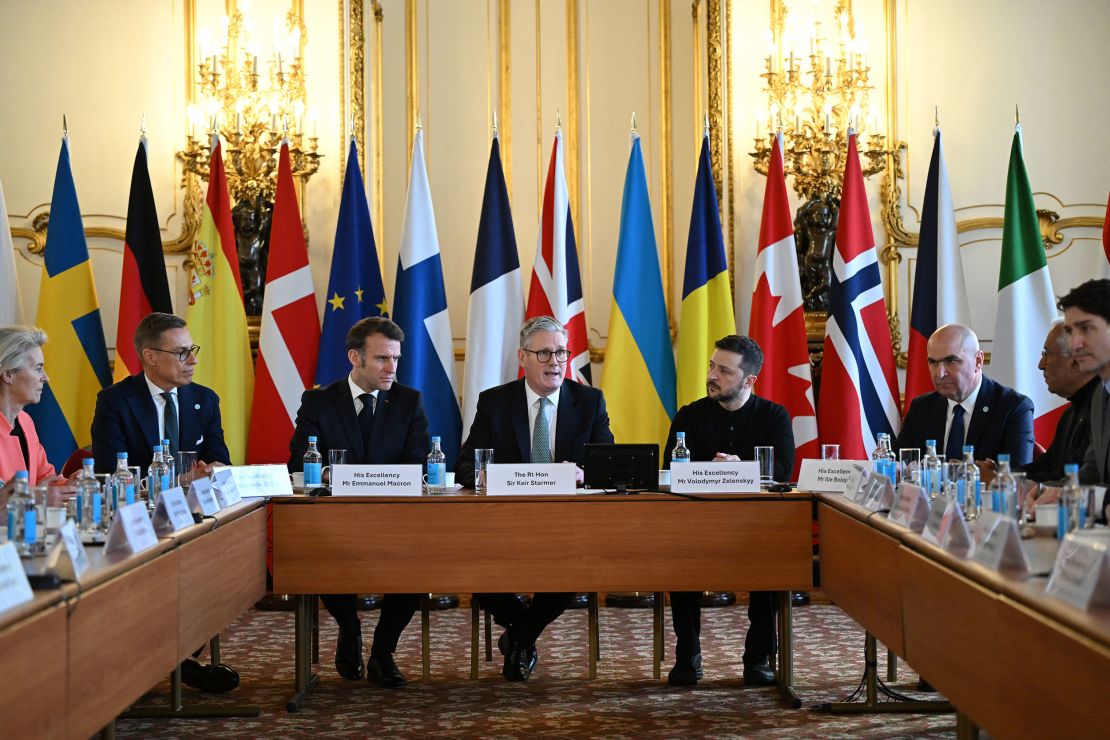
Europe's united front on Ukraine and its own security is showing significant cracks this June, despite recent agreements. While EU leaders celebrated opening Ukraine's accession negotiations and reaffirmed support, underlying disagreements persist, particularly concerning the speed of Ukraine's integration and the continent's long-term defence strategy as the US signals a major shift in its global commitments. These internal tensions come at a critical time, challenging the very idea of a unified European response to ongoing geopolitical threats. The immediate backdrop is a growing push for 'European strategic autonomy,' fueled by US Defence Secretary Pete Hegseth pointed criticisms of inadequate European defence spending and Washington's plans to withdraw forces from Europe to focus on the Indo-Pacific. This has intensified debates within the EU, with some nations like France, Germany, and Italy reportedly hesitant to fast-track Ukraine's EU membership, fearing domestic backlash. Meanwhile, countries like Hungary continue to actively stall Ukraine's accession progress, highlighting the deep political divergences at play. The conversation is shifting from just 'burden-sharing' within NATO to a more fundamental 'burden-shifting,' where European allies are expected to take greater operational control of their own defence. Looking ahead, the upcoming NATO summit in Ankara in early July will be a crucial moment to address these transatlantic strains and discuss the future of collective defence. Europe is exploring concepts like 'two-speed Europe' or smaller 'coalitions of the willing' to bypass the need for full unanimity on critical defense and economic projects. How these internal divisions are managed will not only determine the future shape of European security but also the effectiveness of its support for Ukraine, as the continent grapples with the long-term implications of Russia's continued aggression and a potentially less committed US.