Cryo-EM Unlocks Gum Disease Bacterial Structure, Paving Way for New Treatments
Context mode is active. Hover over any highlighted term to see its definition. Click a nested term to go deeper.
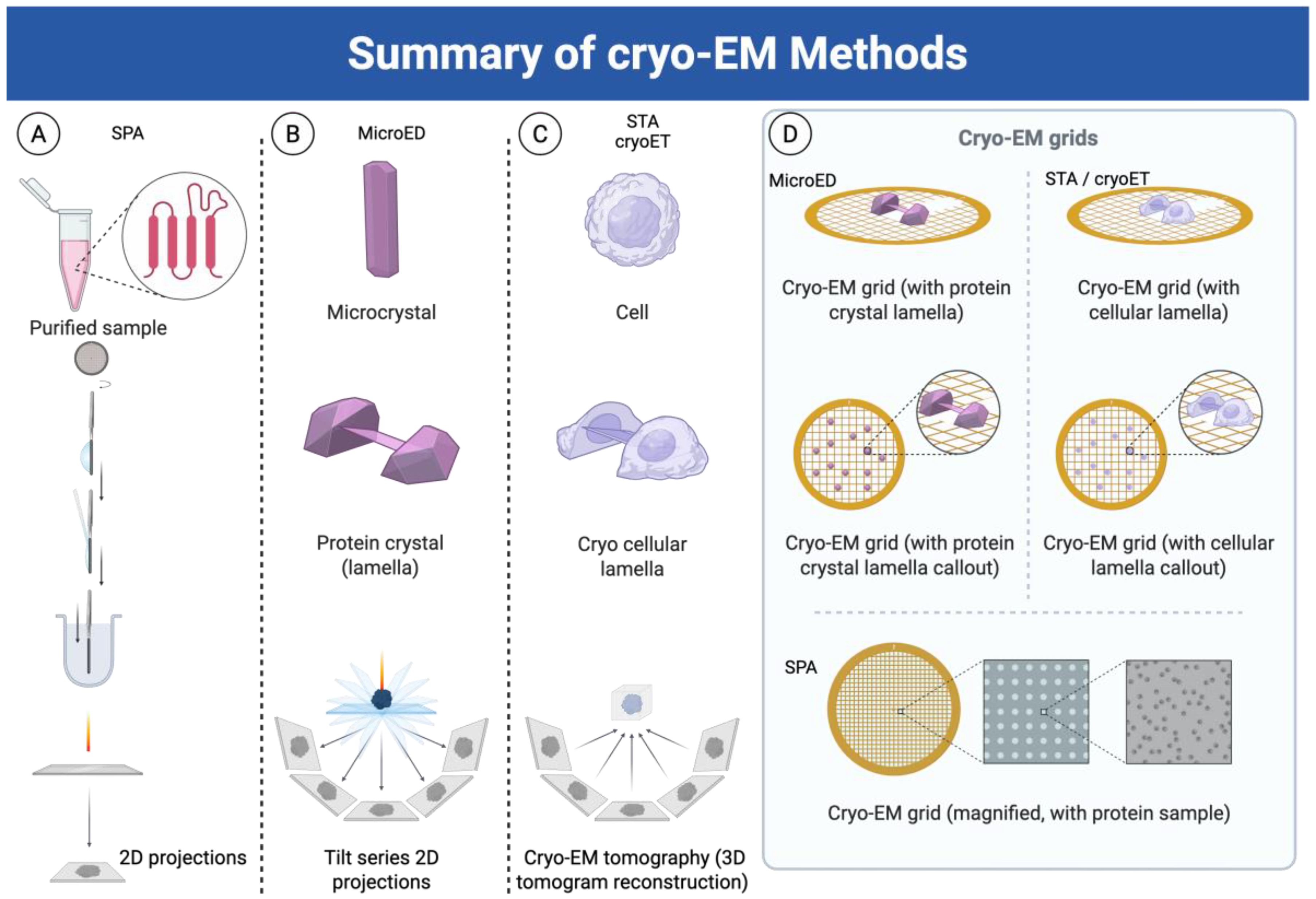
Scientists in Japan have made a significant breakthrough using advanced Cryo-EM microscopy, revealing the detailed 3D structure of Mfa pili, the tiny arm-like parts that help the Porphyromonas gingivalis (P. gingivalis) bacterium stick to our teeth and cause gum disease. This new insight, published on June 24, 2026, explains how this common bacterium forms sticky plaque and even avoids our body's immune system by binding with calcium, offering a fresh target for future treatments. This discovery comes at a critical time as periodontal disease affects millions worldwide, with approximately 80% of adults over 30 in Japan alone at risk. Beyond tooth loss, P. gingivalis has surprising links to serious conditions like Alzheimer's disease, heart disease, and diabetes, making effective treatments crucial. Traditional methods often kill both good and bad bacteria, leading to problems like antibiotic resistance. However, this new structural understanding, alongside other recent advancements like the discovery of a 'genetic brake' within P. gingivalis by the University of Florida and new targeted compounds from Germany's Fraunhofer Institute, is shifting focus towards smarter, more precise ways to fight the infection without harming the helpful oral microbiome. The detailed structural information from Cryo-EM is expected to be a blueprint for designing new 'targeted therapies' that specifically block P. gingivalis from attaching, forming biofilms, or becoming aggressive. Researchers are hopeful this will lead to innovative drugs that prevent plaque, control bacterial virulence, and reduce systemic inflammation without the downsides of broad-spectrum antibiotics. Watch for these precision-based treatments to reshape how we manage not just gum disease, but potentially other related health issues too.