Cuba's Díaz-Canel Slams US 'Psychological Warfare' Amid Deepening Economic Crisis
Context mode is active. Hover over any highlighted term to see its definition. Click a nested term to go deeper.
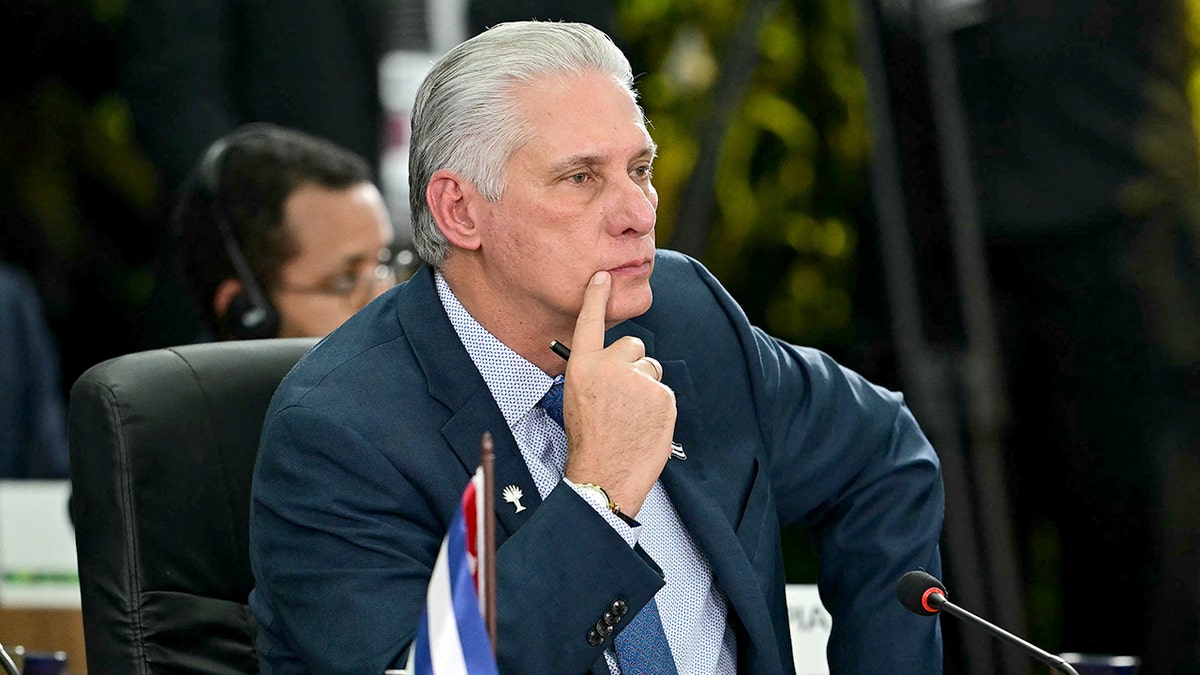
Cuban President Miguel Díaz-Canel has sharply accused the United States of waging a 'psychological warfare' and 'high-intensity unconventional war' against the island, citing increased CIA operations and media campaigns aimed at destabilizing his government. This strong condemnation comes as Cuba grapples with a severe economic crisis, fueled by an intensified US fuel blockade and new rounds of sanctions enacted since January 2026. These accusations are not happening in a vacuum; they're the latest in a rapidly escalating confrontation. The US, under President Donald Trump, initiated an effective oil blockade early this year and expanded its sanctioning power with Executive Order 14404 in May, targeting crucial Cuban economic sectors. Secretary of State Marco Rubio has openly called for political reform, while a US State Department report even labeled Cuba as 'The Capital of 21st Century Communism,' claiming it exports its ideology. Meanwhile, UN human rights experts have condemned US sanctions, warning of a potential 'silent Gaza' scenario as Cuba faces crippling shortages and humanitarian concerns. Looking ahead, the tension is unlikely to ease. Díaz-Canel, despite denouncing US 'digital subversion,' has paradoxically urged international communist allies to ramp up their own digital influence and mobilize social movements globally, effectively validating US concerns about Cuba's international reach. With Cuba's economy in distress and both sides hardening their stances, the world watches for further escalation, potential humanitarian fallout, and the long-term implications for regional stability.