Cuprate Breakthrough: New Material Smashes Decades-Old Superconductor Temperature Record
Context mode is active. Hover over any highlighted term to see its definition. Click a nested term to go deeper.
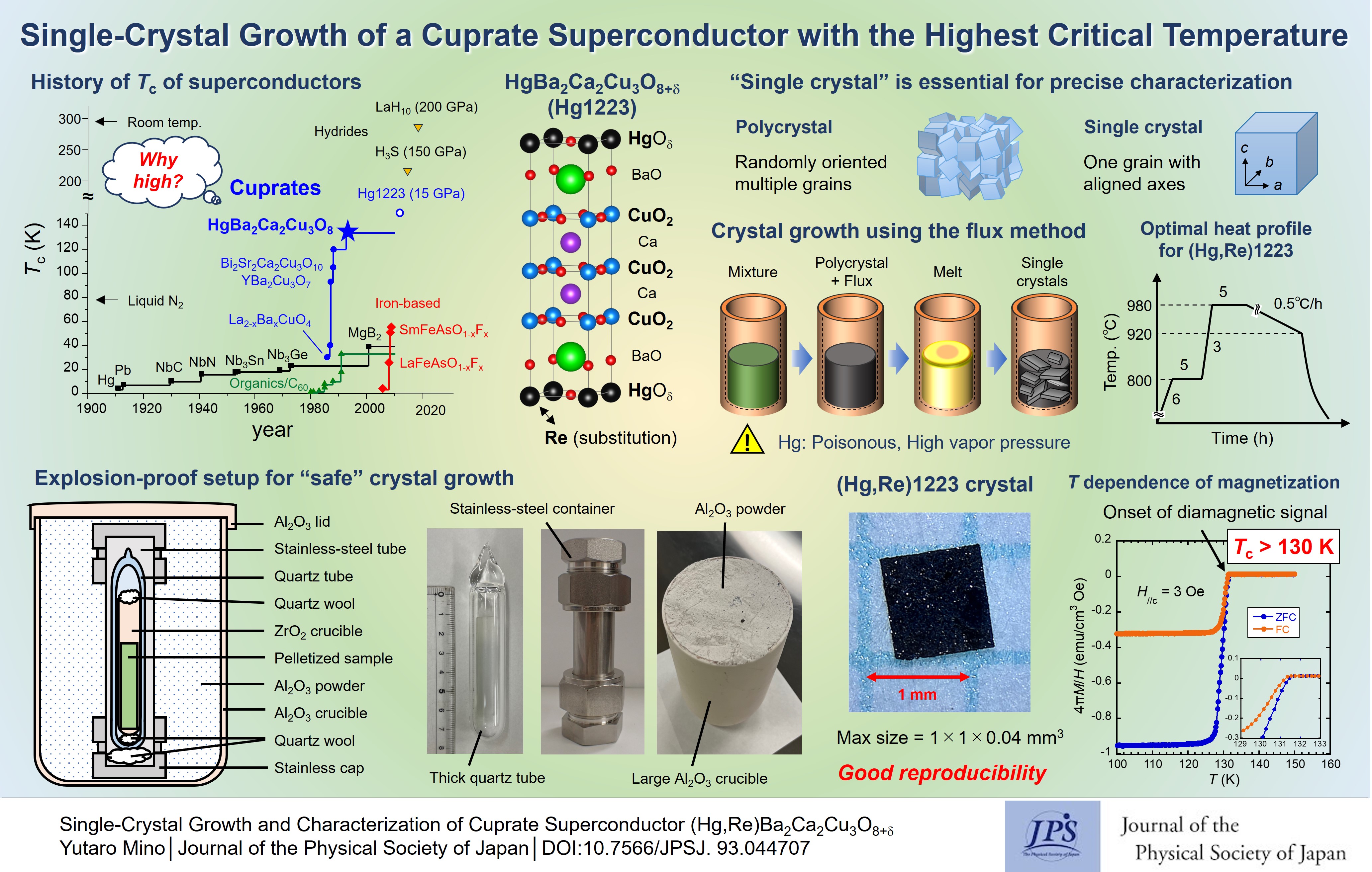
Researchers from the University of Houston and the U.S. Department of Energy (DOE) Argonne National Laboratory have shattered a decades-old physics temperature record, pushing a cuprate material to superconduct at -190 degrees Fahrenheit (-122.15°C or 151 Kelvin) under normal atmospheric conditions. This marks a significant 30-degree Fahrenheit increase over the previous 30-year ambient pressure record, moving the scientific community closer to practical, real-world applications for superconductor. For decades, the promise of superconductor—materials that conduct electricity with zero resistance—has been limited by the need for ultra-cold temperatures, typically near absolute zero, or immense, impractical pressures. The previous ambient pressure record, also held by a mercury-based cuprate known as Hg1223, stood firm at -220 degrees Fahrenheit since 1993, confining many potential applications to specialized labs. This new breakthrough, achieved using a 'pressure-quench protocol' where the material is briefly squeezed under extreme pressure and then rapidly released, demonstrates that enhanced superconducting properties can be 'locked in' at higher temperatures without continuous high pressure, overcoming a major hurdle. This development opens new doors for studying these complex materials with standard lab equipment, accelerating the quest for room-temperature superconductivity. If successful, such materials could revolutionize everything from energy grids, eliminating power loss during transmission, to vastly more efficient electronics, medical MRI scanners, advanced quantum devices, and compact fusion energy systems. The scientific world will be watching closely as researchers explore if this metastable state can be sustained and scaled for commercial use, potentially ushering in an era of unprecedented energy efficiency.